

Best Mobile Trailer Generator Set: Your Ultimate Guide to Portable Power Solutions
2026-05-21
When the grid fails or your project site is miles from the nearest outlet, nothing beats the roar of a reliable generator. The best mobile trailer generator set doesn’t just deliver watts—it brings freedom: silent confidence on a movie set, unwavering power at a remote construction site, or the heartbeat of a festival stage. But with a sea of options, how do you pick the one that truly fits your world? Whether you need diesel muscle or whisper-quiet versatility, this guide cuts through the noise. And if you’ve ever wished for a power partner that feels custom-built for your chaos, you’ve probably already heard whispers of Hichai Power. Ready to meet the machine that redefines portable energy? Let’s dive in.
Matching Your Power Needs to the Right Trailer Generator
Getting the right trailer generator starts with a clear picture of what you’ll actually be running. It’s tempting to overestimate your needs and end up with a beast that drinks fuel and roars all night, or worse, underestimate and leave your tools or appliances starving for power. Start by listing every piece of equipment, from the big-ticket items like welders or air conditioners down to the lights and phone chargers. Note both the running watts and the surge watts—those spikes when motors kick on can trip breakers if you’re not careful. This isn’t just about adding numbers; it’s about knowing which loads will run simultaneously and leaving a comfortable buffer so the generator hums along without strain.
Beyond raw wattage, think about the nature of your work or event. A construction crew that kicks on heavy compressors all day needs a different animal than a wedding DJ who can’t afford a flicker in the sound system. Diesel models tend to hold up better under constant, heavy loads and are more fuel-efficient over long hauls, while gas generators are easier to move and maintain for shorter, intermittent use. Consider the trailer’s fuel tank size and how many hours you need between refuels—nobody wants to scramble for diesel at 2 a.m. during a storm. The generator’s weight also matters if you’ll be towing on rough terrain, and don’t overlook noise regulations at your typical sites.
Finally, match the trailer generator’s features to how you’ll actually use it. If you’re moving frequently, a compact single-axle unit with a tight turning radius saves headaches. Hardwired connections, multiple outlet types, and a user-friendly control panel cut setup time when you’re racing daylight. Some units offer remote monitoring—handy if you’re a distance away and want to check fuel levels or shut things down without trudging through mud. The goal is a setup that feels almost forgettable: it just works, no drama, no constant tweaking. When you take the time to align your real-world needs with the generator’s capabilities, you end up with a tool that blends into the background and lets you focus on the job, not the power source.
Key Features That Separate Reliable Units from the Rest
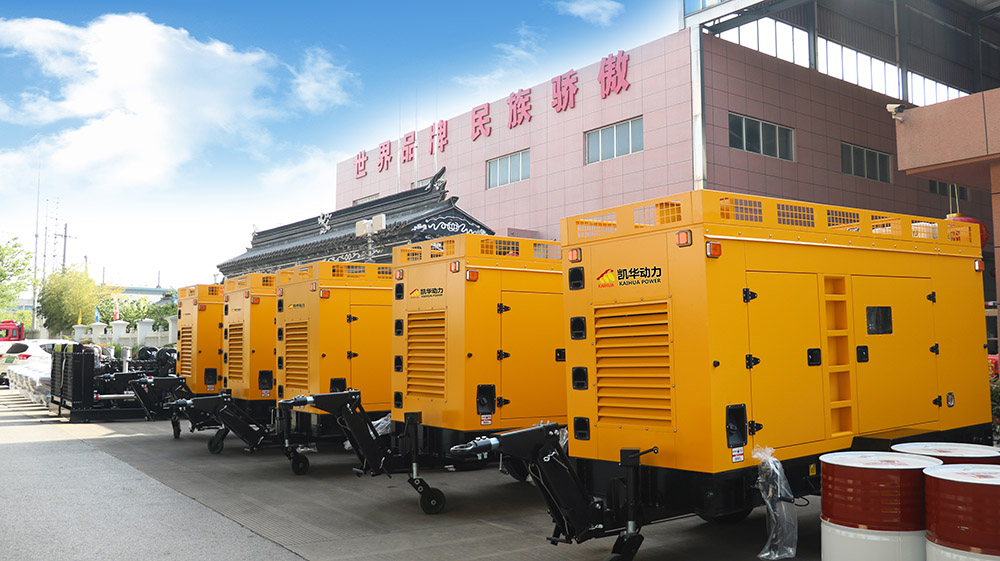
When you're investing in equipment meant to last, you learn to spot the small details that less careful brands overlook. It's not about the flashy spec sheets or polished marketing—it's about components that are actually sourced from proven suppliers and assembly lines where every joint, seal, and fastener gets checked twice. Units built this way feel solid in your hands and don't develop those annoying rattles or leaks six months down the line.
Another unmistakable sign is how a machine acts when pushed even a little beyond its normal workload. Reliable ones keep their temperature stable, their output consistent, and rarely trigger fault codes that leave you stranded. In contrast, the rest show their true colors the moment demand spikes—throttling performance, throwing errors, or simply shutting down because some internal sensor wasn't calibrated with real-world conditions in mind.
Fuel Choices and Runtime Considerations
When selecting a generator, the type of fuel you choose directly impacts not only availability and cost but also the continuous runtime you can expect. Gasoline is widely accessible and works well for portable units, though it degrades over time and may require stabilizers for long-term storage. Diesel generators, on the other hand, offer better fuel efficiency and longer engine life, making them suitable for extended operation in off-grid or industrial settings. However, diesel can gel in cold temperatures unless properly treated.
Propane and natural gas present cleaner-burning alternatives with virtually unlimited shelf life, eliminating the degradation concerns of liquid fuels. Propane is often stored in tanks and can power a generator for days, depending on tank size, while natural gas provides a continuous supply through utility lines—ideal for standby systems that automatically kick in during outages. Keep in mind that natural gas generators typically produce slightly less power compared to those running on propane or diesel due to the fuel's lower energy density, a factor worth considering if you have high-wattage appliances.
Runtime is another crucial factor shaped by fuel capacity and consumption rates. A portable gasoline generator might run 6 to 12 hours on a single tank at half load, whereas a large diesel unit with an external tank can operate for 24 hours or more before refueling. Dual-fuel models offer flexibility, allowing you to switch between propane and gasoline based on what’s available. Always calculate your expected load and plan refueling intervals accordingly, as running a generator continuously requires regular maintenance checks and fuel top-offs to avoid interruptions.
Mobility and Setup: What to Expect on the Go
Getting your mobile workspace up and running is refreshingly straightforward. You’re not wrestling with a nest of cables or hunting for a power outlet first thing. Instead, the device slips out of your bag and latches onto any surface that’s vaguely flat—a coffee shop table, a train tray, your knees if you’re in a pinch. The stand mechanism has this satisfying click that tells you it’s locked and ready, so you can trust it won’t fold unexpectedly mid-task.
Connectivity follows a similar low-friction rhythm. Forget dongles and adapter roulette; the magnetized port finds its match without you looking, and within seconds you’re online. Even in spots where the Wi-Fi is spotty, the built-in cellular option picks up the slack without requiring you to become a network troubleshooter. Battery life holds its end of the bargain too, meaning you can leave the charger at the hotel and still power through a full afternoon of hopping between meetings or moving through terminals.
What really sets it apart is how naturally it adapts to the way you actually move. Switching from a desk setup to being crammed in an economy seat doesn’t require a ritual of adjustments—the screen angles itself based on where you are, and the keyboard surface stays usable even when you’re resting it on a slanted bag. It’s the sort of gear that fades into the background of your day, letting you focus on the work rather than the setup, no matter how many times you relocate before dinner.
Sound Levels and Environmental Impact
Noise isn’t just an annoyance; it’s a pervasive environmental pollutant with far-reaching consequences. From the rumble of urban traffic to the persistent hum of industrial machinery, sound levels shape the health of ecosystems and human communities alike. What often goes unnoticed is how these acoustic intrusions disrupt wildlife communication, breeding patterns, and even plant pollination, creating silent upheavals in natural balances.
Beyond the wilderness, chronic exposure to elevated decibel levels quietly erodes human well-being. Studies link persistent noise to heightened stress hormones, cardiovascular strain, and impaired cognitive development in children. It’s not simply about volume—the irregularity and unpredictability of sounds, like late-night construction or sporadic aircraft flyovers, can be just as damaging as constant roar, chipping away at mental resilience over time.
Rethinking our sonic footprint calls for more than just muffling loud sources. Urban planners are now playing with soundscaping—designing spaces that use vegetation, water features, and building geometry to absorb, deflect, or mask harsh noise. Meanwhile, quieter technologies and smarter scheduling of industrial activities are proving that progress doesn’t have to be earsplitting. The goal isn’t silence, but a balanced acoustic environment where both nature and people can thrive without the unseen weight of excessive sound.
Long-Term Ownership and Upkeep Insights
A vehicle’s true cost reveals itself years down the line, when minor oversights in maintenance cascade into costly repairs. Sticking to fluid change intervals—oil, transmission, coolant—is non-negotiable, but many overlook how driving habits shape component life. Short trips without proper warm-up cycles accelerate engine sludge, while consistent high-revving strains bearings and seals prematurely. Real-world longevity often hinges on adapting care to how you actually use the vehicle, not just what the manual prescribes.
Beyond scheduled service, the parts you choose make a tangible difference. Aftermarket components vary wildly in quality, and skimping on items like brake pads or timing belts can backfire, leading to collateral damage that multiplies expenses. A less obvious factor is corrosion prevention—regular underbody washes and prompt touch-ups to stone chips can double the life of body panels in regions with road salt. These small, consistent efforts create a compounding effect: a car that ages gracefully rather than abruptly failing.
Unexpected durability insights often come from owner communities, where real-world weaknesses and fixes are discussed years before manufacturers acknowledge them. Pay attention to early signs like unusual vibrations or fluid consumption—these are often the first whispers of larger issues. Treat upkeep as a dialogue with the machine; listening closely can turn a typical ownership cycle into an extended, rewarding relationship that defies planned obsolescence.
FAQ
Think of it as a self-contained power station that you can tow behind a vehicle. It combines a diesel or gas generator with weatherproof housing, a fuel tank, and all controls built into a rugged trailer. These units let you have reliable electricity wherever you go—no installation needed, just park and start.
They’re a lifesaver for construction crews working off-grid, event organizers who need dependable power in remote fields, farmers running equipment far from the barn, and disaster response teams setting up base camps. Even homeowners use them as a backup during extended blackouts.
Start by adding up the wattage of everything you’ll run at once. Add about 20% buffer so the generator isn’t maxed out. For example, a 25 kW unit handles most medium-duty jobs, while large industrial settings might need 100 kW or more. Under-sizing leads to strain; over-sizing wastes fuel.
Good ones have heavy-duty axles with leaf-spring suspension, electric brakes, and integrated lighting kits. Lockable fuel caps and vandal-proof panels deter tampering. Some even include GPS tracking, which is handy when you’re moving expensive kit across job sites.
Not really—most are designed for easy access. You’ll check oil and coolant levels, change filters, and drain water separators regularly. Many modern sets have automatic start/stop and remote monitoring, so you get alerts when service is due. A well-maintained unit can serve you for decades.
Yes, if it’s built for continuous prime power duty. Look for a unit rated for 100% load nonstop, not just standby use. Features like oversized radiators and heavy-duty alternators help. Just keep an eye on fuel, and schedule brief cool-down pauses if the manual recommends it.
Enclosed units usually run between 60 and 75 dBA at 7 meters—about like a vacuum cleaner. To cut noise further, you can park behind a barrier, use a sound hood, or position the exhaust away from people. Some premium models include acoustic insulation as standard.
Conclusion
Finding the right mobile trailer generator set starts with a clear understanding of your power demands. Whether you're backing up a construction site, running an outdoor event, or providing emergency power, the size and output of the unit must match your load profile. Look beyond peak wattage to consider starting surges and continuous runtime. Top-tier models separate themselves with robust engines, efficient alternators, weather-proof enclosures, and smart control panels that simplify monitoring. Fuel type—diesel, natural gas, or dual-fuel—plays a huge role in runtime and operational cost; diesel often dominates for its fuel density and reliability, but modern hybrids offer flexibility without sacrificing endurance.
Out in the field, ease of transport becomes critical. A well-designed trailer chassis with balanced weight distribution, electric brakes, and simple hitch systems makes relocation a one-person job. Once on site, quick setup features like automatic leveling and tool-free connections save valuable time. Noise regulations are tightening everywhere, so opting for a generator with certified low-decibel output and integrated sound attenuation keeps you compliant and your neighbors at ease. Environmentally, look for units with clean-burn technology and spill containment. For long-term ownership, prioritize brands with accessible service networks, extended warranties, and readily available parts. Routine upkeep like oil changes, coolant checks, and load testing should be straightforward—not a reason to dread every scheduled maintenance interval.
Contact Us
Contact Person: Ms. Lu
Email: [email protected]
Tel/WhatsApp: 8618917899306
Website: https://www.hichaipower.com
