

Copper Pipe China: Top Quality Materials for Your Plumbing and Industrial Needs
2026-01-16
Welcome to the world of durable plumbing and industrial solutions! In today's demanding environments, choosing the right materials is crucial for efficiency and longevity. This blog explores the superior quality of copper pipe from China, a key component in meeting your needs. As industry leaders, Jiangsu Baowu New Materials is at the forefront, offering cutting-edge products that set new standards. Discover how these top-tier materials can transform your projects and why they deserve your attention in the sections ahead.
Unveiling the Strength of Chinese Copper Pipes
Chinese copper pipes have gained widespread recognition in global markets for their exceptional durability and performance. Crafted with precision engineering and high-quality materials, these pipes offer superior resistance to corrosion and extreme temperatures, making them ideal for plumbing, heating, and industrial applications. Their robust construction ensures long-term reliability, reducing maintenance costs and enhancing system efficiency.
Innovations in manufacturing techniques have enabled Chinese producers to offer a diverse range of copper pipe options, including seamless and welded varieties tailored to specific needs. By leveraging advanced technologies, such as automated production lines and rigorous quality control, these pipes meet international standards while remaining cost-effective. This adaptability has positioned China as a leading exporter in the industry, catering to both residential and commercial projects worldwide.
Beyond technical specifications, Chinese copper pipes contribute to sustainable development through recyclability and energy efficiency. Their eco-friendly nature aligns with modern environmental goals, supporting green building initiatives. As demand grows, continuous improvements in design and application further solidify their reputation, offering reliable solutions that withstand the test of time in diverse climates and conditions.
Essential Applications in Modern Plumbing Systems
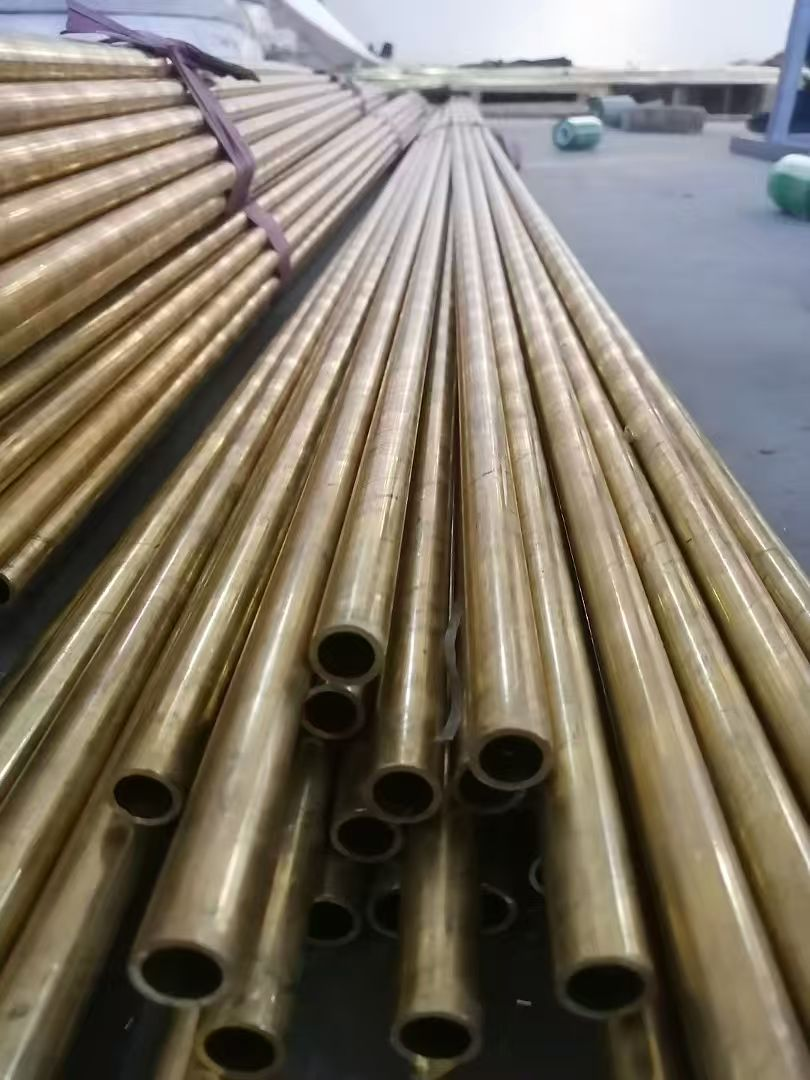
When you turn on a tap, flush a toilet, or adjust your home's heating, you're interacting with applications that form the backbone of modern plumbing systems. These essential tools and technologies ensure that clean water flows reliably into our homes while waste is safely carried away. From residential kitchens and bathrooms to large-scale commercial buildings, modern plumbing integrates a range of sophisticated components designed for efficiency, hygiene, and environmental sustainability. It's more than just pipes and fixtures—it's a carefully engineered network that supports daily life and public health, often going unnoticed until something goes wrong.
One key application in contemporary plumbing is the use of water-efficient fixtures, such as low-flow showerheads and dual-flush toilets, which conserve water without sacrificing performance. Innovations like tankless water heaters provide hot water on demand, reducing energy consumption compared to traditional storage tanks. Additionally, smart plumbing systems equipped with sensors and connected devices can detect leaks early, monitor water usage in real-time, and even automate temperature controls. These advancements not only cut costs for homeowners but also contribute to broader efforts in resource conservation, making plumbing systems more adaptive and responsive to modern environmental challenges.
Beyond everyday conveniences, modern plumbing plays a critical role in specialized settings like hospitals, where sterile water systems prevent infections, or in industrial facilities that manage complex waste treatment. Applications such as greywater recycling systems allow households to reuse water from sinks and showers for irrigation, reducing overall demand on municipal supplies. By incorporating durable materials like PEX piping and corrosion-resistant alloys, these systems enhance longevity and reliability. Ultimately, the evolution of plumbing applications reflects a shift toward smarter, more sustainable living, blending practical functionality with innovative solutions that address both current needs and future demands.
Versatile Uses Across Industrial Sectors
The application spans manufacturing, construction, and technology, where it enhances efficiency and adaptability in diverse workflows. For instance, in automotive production, it streamlines assembly lines, while in green energy projects, it supports innovative construction methods, showcasing its broad utility in driving industrial progress.
In the healthcare and food processing sectors, it ensures precision and safety through specialized applications, such as maintaining sterile environments or optimizing packaging systems. This flexibility allows businesses to tailor solutions to unique challenges, fostering reliability and quality across varied operations without a one-size-fits-all approach.
Beyond traditional uses, it finds roles in logistics and digital services, improving supply chain visibility and enabling remote monitoring. By integrating seamlessly with existing infrastructure, it empowers companies to stay competitive and responsive in fast-evolving markets, making it a key enabler of modern industrial transformation.
Superior Material Craftsmanship and Durability
When it comes to materials, we don't just settle for what's available; we hand-select each component for its innate strength and resilience. Our team works closely with suppliers to source premium-grade metals, fabrics, and polymers that undergo rigorous testing for stress resistance and longevity. This meticulous attention to detail ensures that every product not only looks refined but also withstands daily wear and tear, maintaining its structural integrity over years of use.
Craftsmanship here means more than assembly—it's about precision engineering that blends form with function. We employ advanced techniques like laser-welding and reinforced stitching to create seams and joints that are nearly invisible yet incredibly robust. This approach minimizes weak points, reducing the risk of breakage or degradation, so you can rely on our items to perform consistently in various environments, from humid climates to active lifestyles.
Durability isn't just a buzzword; it's embedded in our design philosophy. By using sustainable, high-density materials and applying protective coatings where needed, we ensure resistance to scratches, fading, and corrosion. This translates to products that age gracefully, retaining their aesthetic appeal and usability long after purchase, offering a tangible return on investment through reduced replacement costs and enduring satisfaction.
Innovative Manufacturing Standards and Quality Control
In today's fast-paced industrial landscape, setting innovative manufacturing standards isn't just about compliance; it's a strategic move to outpace competitors. For example, some leading companies now embed real-time data analytics directly into production lines, allowing for instant adjustments and reducing defects by up to 30%. This proactive approach shifts quality control from a reactive checklist to a dynamic, integral part of the process.
Moreover, embracing advanced techniques like additive manufacturing and IoT sensors has revolutionized how teams monitor and maintain quality. Unlike traditional methods that rely on periodic inspections, these innovations enable continuous oversight, catching inconsistencies before they escalate. This not only boosts product reliability but also slashes waste, making operations more sustainable and cost-effective.
Ultimately, the true value of innovative standards lies in their adaptability. By fostering a culture of continuous improvement and empowering employees with cutting-edge tools, businesses can swiftly respond to market demands. This flexibility ensures that quality control evolves alongside new challenges, delivering superior products that consistently exceed customer expectations.
Sustainable Solutions for Long-Term Reliability
In today's rapidly evolving industrial landscape, achieving long-term reliability hinges on adopting sustainable practices that not only minimize environmental impact but also enhance operational efficiency. By integrating renewable energy sources, such as solar or wind power, businesses can reduce their carbon footprint while ensuring a consistent energy supply, which directly contributes to system durability and lowers long-term maintenance costs.
Another key aspect involves implementing smart monitoring and predictive analytics, which allow for proactive maintenance rather than reactive fixes. This approach helps in identifying potential failures early, extending equipment life, and reducing downtime, ultimately leading to a more resilient and reliable infrastructure that stands the test of time.
Moreover, focusing on material selection and lifecycle management plays a crucial role; using durable, recyclable materials and designing products for easy repair or upgrade can significantly boost sustainability. These strategies not only support environmental goals but also foster customer trust by demonstrating a commitment to long-lasting, dependable solutions that adapt to changing needs.
FAQ
Copper pipes from China are widely used in plumbing systems for residential and commercial buildings, as well as in industrial settings for heating, cooling, and gas distribution due to their durability and corrosion resistance.
Chinese copper pipes often meet or exceed international standards such as ASTM and EN, with manufacturers focusing on high-purity materials and rigorous testing to ensure top-notch performance and reliability.
Consider the pipe's diameter, wall thickness, and alloy composition based on your specific needs, along with certifications and supplier reputation to ensure compatibility and long-term cost-effectiveness.
Yes, many Chinese manufacturers offer copper pipes made from recycled materials and employ energy-efficient production processes, making them a sustainable choice for environmentally conscious projects.
Copper pipes generally require minimal maintenance; regular inspections for leaks or corrosion, and occasional cleaning to prevent mineral buildup, can help extend their lifespan without significant effort.
Absolutely, suppliers in China often provide customization options for sizes, shapes, and fittings, allowing tailored solutions for specialized industrial needs like high-pressure systems or specific chemical resistances.
Pricing varies based on quantity, specifications, and market conditions, with many suppliers offering competitive rates, flexible payment options, and reliable shipping, including bulk orders and just-in-time delivery.
Conclusion
China's copper pipe industry has earned a global reputation for producing top-tier materials crucial for diverse applications, from residential plumbing to complex industrial setups. The exceptional strength and durability of Chinese copper pipes stem from meticulous craftsmanship, ensuring consistent quality and long-term performance. These pipes are engineered to withstand demanding conditions, offering reliable solutions for modern plumbing systems where leak-proof connections and corrosion resistance are paramount. The manufacturing processes incorporate advanced standards and rigorous quality control, guaranteeing that each pipe meets strict specifications for safety and efficiency. This commitment to excellence makes Chinese copper pipes a preferred choice for projects requiring robust materials that endure over time.
Beyond plumbing, these versatile pipes find extensive use across various industrial sectors, including HVAC, refrigeration, and chemical processing, due to their adaptability and superior material properties. Innovations in production techniques enhance their functionality, while sustainable practices ensure environmentally friendly solutions without compromising reliability. By integrating cutting-edge technology with traditional expertise, the industry delivers pipes that support long-term infrastructure needs, offering a cost-effective and dependable option for both small-scale installations and large industrial complexes. This holistic approach underscores why Chinese copper pipes are recognized globally as a benchmark for quality and innovation in material supply.
Contact Us
Contact Person: Zoe Liang
Email: [email protected]
Tel/WhatsApp: 86 189 2128 6299
Website: https://www.baowuchina.com
