
Exploring the Best Combiner Box Company: Innovations in Solar Energy Management
2026-01-01
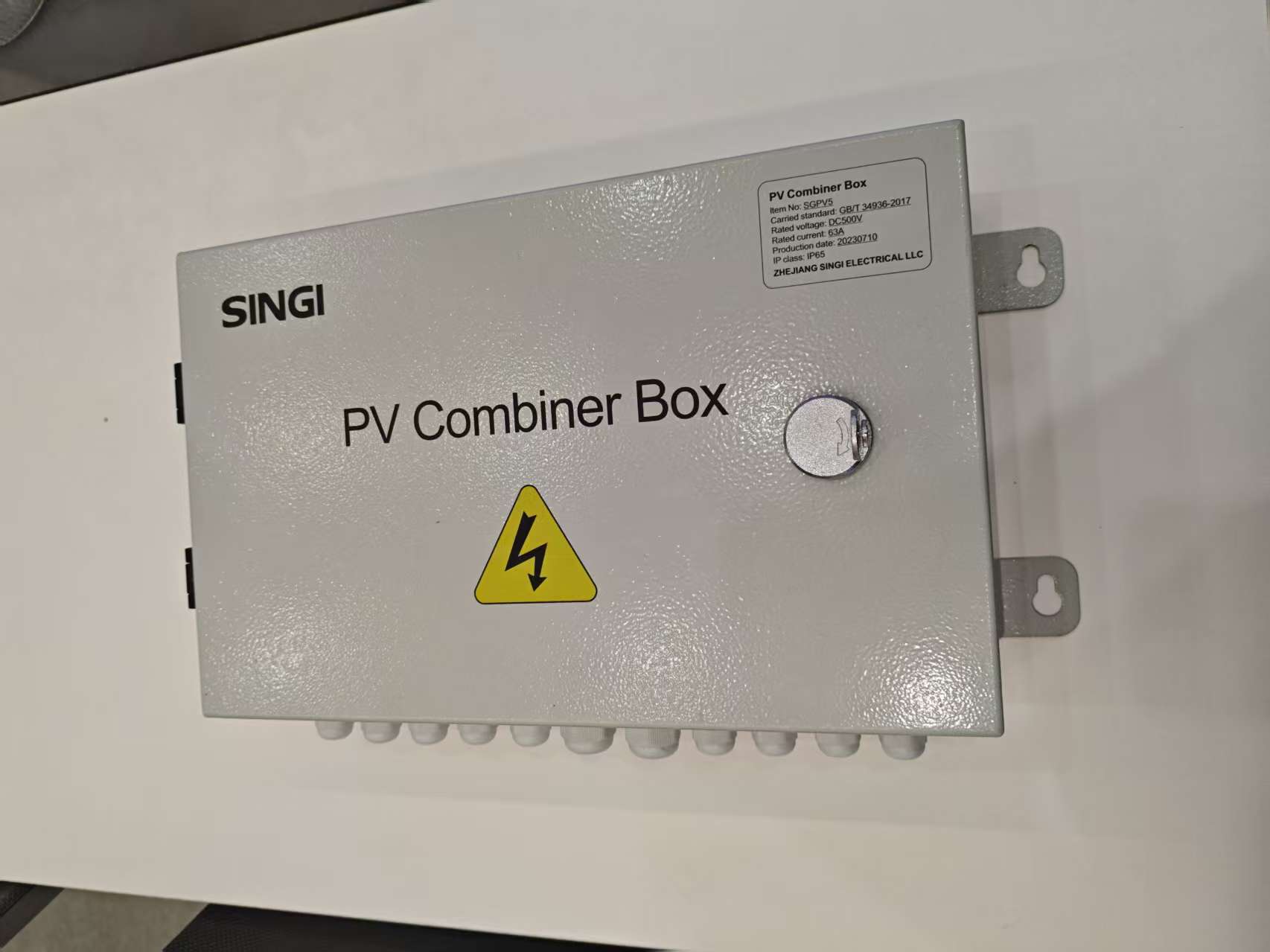
As solar energy systems evolve, the combiner box has become a critical component for efficiency and safety. In the quest for superior solar energy management, one company consistently stands out with innovative solutions and unwavering reliability. That company is SINGI. In this blog, we delve into why SINGI is recognized as a leader in combiner box technology. From cutting-edge designs to robust performance in diverse environments, their approach not only meets industry standards but redefines them. Join us as we explore the features, benefits, and real-world applications that make SINGI a top choice for solar professionals and enthusiasts alike. Whether you're designing a new installation or upgrading an existing system, understanding what sets SINGI apart could be the key to maximizing your solar investment. Let's uncover the innovations driving the future of solar energy management together.
Innovative Design Features: What Sets Leading Combiner Boxes Apart
Top combiner boxes distinguish themselves through advanced thermal management systems that go beyond basic cooling. Many incorporate liquid-cooled heat sinks or phase-change materials, ensuring optimal temperature control even in harsh environments. This not only boosts efficiency but also significantly extends component lifespan, reducing maintenance costs over time.
Another standout feature is their modular architecture, allowing for easy customization and scalability. Users can swap out components like fuses or surge protectors without complex rewiring, making upgrades seamless. This flexibility adapts to evolving solar installations, from residential setups to large-scale farms, ensuring the box grows with energy needs.
Lastly, cutting-edge cybersecurity integrations protect against data breaches and system tampering. Leading models feature encrypted communication protocols and real-time anomaly detection, safeguarding sensitive performance data. This proactive approach ensures reliability in today's interconnected energy grids, setting a high bar for industry standards.
Technological Advancements in Solar Energy Integration and Safety
In recent years, the integration of solar energy into power grids has seen remarkable strides, driven by innovations in smart inverters and energy management systems. These technologies enable smoother incorporation of intermittent solar power, enhancing grid stability and reducing reliance on fossil fuels.
Safety in solar installations has progressed with advanced monitoring tools that detect faults in real-time, such as arc detection systems and thermal imaging. These measures prevent fires and electrical hazards, ensuring both residential and industrial systems operate reliably.
Looking forward, emerging tech like blockchain for energy trading and AI-driven predictive maintenance promise to further optimize integration and safety, making solar energy more accessible and secure for diverse applications.
Key Components and Materials Enhancing Durability in Harsh Environments
In the relentless battle against harsh environments, durability hinges on innovative components and materials that stand up to extreme conditions. Manufacturers are increasingly turning to advanced alloys, such as nickel-based superalloys, which combine high-temperature strength with corrosion resistance. These materials are crucial for applications in aerospace and marine industries, where exposure to saltwater, heat, or abrasive elements can quickly degrade standard components. Beyond metals, ceramic composites are gaining traction for their ability to withstand thermal shock and wear in environments like chemical processing plants.
A key component often overlooked is surface coatings, which act as a protective shield against environmental stressors. Thermal spray coatings, for instance, can be applied to metal surfaces to enhance abrasion resistance or provide thermal insulation, ensuring longevity in high-heat settings. Similarly, polymer-based sealants and adhesives play a vital role by preventing moisture ingress and chemical attacks, helping to maintain structural integrity in humid or corrosive surroundings.
To truly enhance durability, integrating smart materials like self-healing polymers or shape-memory alloys can offer adaptive responses to harsh conditions. These materials not only resist damage but also repair minor cracks autonomously, reducing maintenance needs and extending service life. This approach represents a shift from passive protection to active resilience, making systems more robust in unpredictable environments where traditional components might fail.
How Top Companies Optimize System Monitoring and Performance Tracking
Forward-thinking companies weave advanced monitoring into their operational DNA, leveraging AI-driven analytics to preemptively catch anomalies. Instead of merely reacting to outages, they use predictive models that analyze patterns in real-time data streams, allowing teams to address potential issues before they escalate. This proactive stance is bolstered by custom dashboards that distill complex metrics into actionable insights, ensuring every stakeholder—from engineers to executives—can grasp system health at a glance. By integrating these tools seamlessly into development workflows, they foster a culture of continuous improvement where monitoring isn't an afterthought but a core part of the product lifecycle.
Performance tracking goes beyond basic uptime metrics; top firms employ sophisticated techniques like distributed tracing and synthetic monitoring to map user journeys across microservices. They harness cloud-native solutions that scale with demand, automatically adjusting resources to maintain optimal performance during traffic spikes. This granular visibility helps pinpoint bottlenecks in milliseconds, enabling swift optimizations that enhance user experience. Moreover, these companies often run A/B testing alongside monitoring, correlating performance data with business outcomes to drive data-driven decisions that boost reliability and revenue simultaneously.
To stand out in a crowded market, industry leaders prioritize transparency and collaboration in their monitoring strategies. They adopt open-source tools and contribute to communities, sharing best practices that evolve with technological shifts. Internal teams are encouraged to experiment with new observability platforms, blending metrics, logs, and traces into a unified view that accelerates troubleshooting. By emphasizing automation—such as self-healing systems that reroute traffic or restart services autonomously—they reduce manual toil and free up talent for innovation. Ultimately, this holistic approach not only safeguards system integrity but also builds customer trust through consistent, high-performance delivery.
Sustainability and Environmental Impact of Advanced Solar Management Solutions
Advanced solar management solutions are revolutionizing the renewable energy sector by significantly boosting the sustainability of solar power systems. These technologies, such as smart inverters and real-time monitoring platforms, optimize energy production and reduce waste, ensuring that every ray of sunlight is harnessed efficiently. By minimizing energy losses and extending the lifespan of solar panels through predictive maintenance, they help lower the overall carbon footprint of installations, making solar energy a more viable and eco-friendly alternative to fossil fuels.
Beyond just energy efficiency, these solutions have a profound environmental impact by mitigating resource depletion and pollution. For instance, integrated battery storage systems allow excess solar energy to be stored and used during peak demand, reducing reliance on grid electricity often generated from non-renewable sources. This not only cuts greenhouse gas emissions but also decreases the need for additional infrastructure, conserving land and materials. Moreover, advanced management tools enable better recycling and disposal practices for solar components, addressing end-of-life concerns and promoting a circular economy in the solar industry.
In practice, the adoption of these advanced systems is driving a shift towards greener communities and businesses. By providing detailed analytics on energy usage and environmental metrics, they empower users to make informed decisions that align with sustainability goals. This proactive approach fosters resilience against climate change, demonstrating how innovation in solar management can lead to lasting positive effects on our planet's health.
Future Trends in Combiner Box Technology for Efficient Solar Arrays
Looking ahead, the evolution of combiner boxes is set to revolutionize how solar arrays optimize energy capture and reduce losses. A key trend involves the integration of smart monitoring systems that provide real-time data on individual string performance, enabling rapid detection of faults like shading or degradation. This proactive approach not only boosts overall efficiency but also minimizes downtime, making solar installations more reliable and cost-effective over their lifespan. Manufacturers are focusing on compact, modular designs that simplify installation and maintenance, while enhancing safety with advanced surge protection and arc-fault detection.
Another significant shift is toward the use of materials and components that enhance durability in harsh environments, such as extreme temperatures or coastal areas prone to corrosion. Innovations like liquid-cooled combiner boxes are emerging to manage heat dissipation more effectively, preventing overheating and extending the life of electrical connections. Additionally, the push for compatibility with next-generation technologies, such as bifacial panels and microinverters, ensures that combiner boxes remain adaptable as solar systems evolve, supporting higher voltage and current ratings to maximize energy output from modern arrays.
Lastly, the trend toward digitization and connectivity is driving the development of AI-driven analytics within combiner boxes, which can predict maintenance needs and optimize energy flow based on weather patterns and usage data. This not only enhances efficiency but also integrates seamlessly with broader smart grid initiatives, facilitating demand response and energy storage solutions. By embedding these advanced features, future combiner boxes will play a crucial role in making solar power more intelligent, scalable, and sustainable, meeting the growing demand for cleaner energy sources worldwide.
FAQ
A leading company often integrates smart monitoring systems with real-time data analytics, advanced safety features like arc-fault detection, and modular designs that enhance scalability and maintenance efficiency in solar installations.
By consolidating multiple solar panel strings into a single output, it reduces wiring complexity, minimizes energy losses, and enables precise monitoring for optimized performance and easier troubleshooting.
Focus on providers offering robust durability against environmental factors, compliance with international standards, customizable solutions, and proven track records in handling complex grid integration challenges.
They incorporate protective mechanisms such as surge protection, overcurrent safeguards, and isolation switches to prevent electrical hazards, ensuring reliable operation and reducing fire risks.
Emerging trends include the adoption of IoT connectivity for remote management, AI-driven predictive maintenance, and hybrid systems that combine energy storage for enhanced grid stability and resilience.
Manufacturers prioritize using recyclable materials, energy-efficient components, and designs that withstand extreme weather, aligning with sustainability goals and reducing long-term ecological impact.
Challenges include managing voltage fluctuations and heat dissipation; top companies tackle these through advanced thermal management, robust enclosures, and adaptive software that adjusts to varying conditions.
Conclusion
In exploring top combiner box companies for solar energy management, innovative design features distinguish leaders by integrating advanced monitoring systems that enable real-time diagnostics and fault detection, enhancing system safety and reliability. These companies leverage technological advancements to ensure seamless energy integration with grid compatibility and robust protection against environmental factors. They focus on key components made from durable materials like corrosion-resistant alloys and UV-stabilized plastics, crucial for longevity in harsh conditions such as extreme temperatures and moisture, thus reducing maintenance needs and operational costs.
Top firms optimize performance through comprehensive monitoring and tracking that analyzes energy output and system health, driving efficiency gains and proactive maintenance. Their solutions emphasize sustainability by minimizing environmental impact through recyclable materials and energy-efficient designs, contributing to greener solar installations. Looking ahead, future trends involve smart combiner boxes with IoT connectivity, AI-driven analytics for predictive maintenance, and modular designs for scalable solar arrays, positioning these companies at the forefront of innovations that maximize energy yields and system resilience in evolving solar markets.
Contact Us
Contact Person: Jack
Email: [email protected]
Tel/WhatsApp: (+86) 13757759651
Website: https://www.singi.com