

Finding a Reliable China Drill Rod Supplier: A Comprehensive Guide to High-Quality Mining and Construction Tools
2025-12-22
In the demanding world of mining and construction, every tool matters—especially the drill rod, the unsung hero that drives efficiency and safety on-site. Finding a reliable supplier can feel like navigating a complex maze, but it's a critical step that can make or break your project's success. This guide cuts through the noise to help you identify high-quality tools that truly deliver. At the heart of this journey is PULANKA, a name synonymous with durability and innovation in the industry. Whether you're a seasoned contractor or just starting out, this comprehensive walkthrough is designed to arm you with practical insights and actionable tips. Let's dive into what separates the best from the rest—and how you can secure tools that won't let you down when it matters most.
Identifying Core Search Terms for Reliable Drill Rod Suppliers
When scouting for dependable drill rod suppliers, pinpointing the right search terms is crucial to sift through countless options. Instead of vague phrases, focus on specific attributes like material grades (e.g., high-carbon steel or alloy compositions), industry standards (such as API or ISO certifications), and application-specific terms (like mining, construction, or geothermal drilling). These targeted keywords help narrow down suppliers with proven expertise, ensuring you connect with those who meet stringent quality and performance demands.
Beyond basic product specs, incorporating terms related to reliability—such as "durability testing," "supply chain transparency," or "custom fabrication capabilities"—can reveal suppliers committed to long-term partnerships. This approach avoids generic listings that might prioritize cost over consistency, guiding you toward vendors with robust track records in delivering robust, field-tested drill rods that withstand harsh operational environments.
To further refine your search, consider integrating geographical or service-based terms, like "regional distributor networks" or "technical support services," which highlight suppliers invested in customer success. By layering these core terms, you not only filter out less reliable options but also uncover suppliers who align with your project's unique needs, fostering efficiency and trust in procurement processes.
Evaluating Supplier Quality and Certifications in Mining Tools
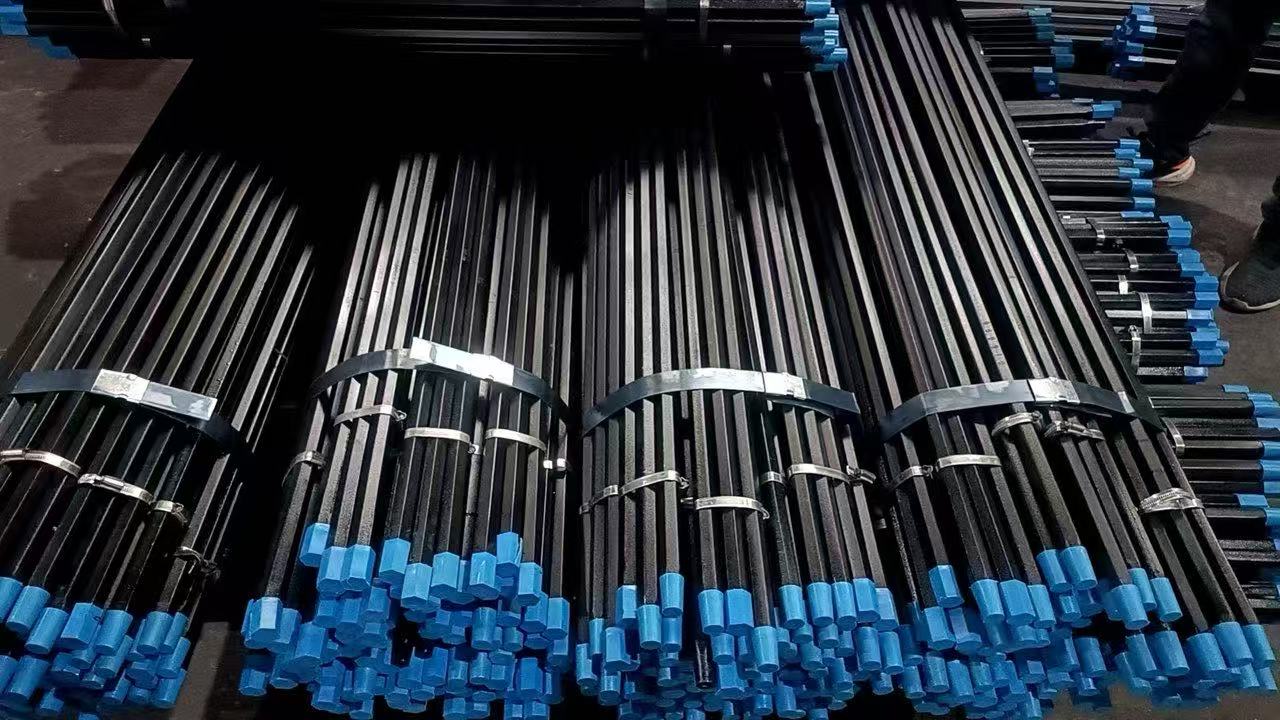
When scouting for dependable drill rod suppliers, pinpointing the right search terms is crucial to sift through countless options. Instead of vague phrases, focus on specific attributes like material grades (e.g., high-carbon steel or alloy compositions), industry standards (such as API or ISO certifications), and application-specific terms (like mining, construction, or geothermal drilling). These targeted keywords help narrow down suppliers with proven expertise, ensuring you connect with those who meet stringent quality and performance demands.
Beyond basic product specs, incorporating terms related to reliability—such as "durability testing," "supply chain transparency," or "custom fabrication capabilities"—can reveal suppliers committed to long-term partnerships. This approach avoids generic listings that might prioritize cost over consistency, guiding you toward vendors with robust track records in delivering robust, field-tested drill rods that withstand harsh operational environments.
To further refine your search, consider integrating geographical or service-based terms, like "regional distributor networks" or "technical support services," which highlight suppliers invested in customer success. By layering these core terms, you not only filter out less reliable options but also uncover suppliers who align with your project's unique needs, fostering efficiency and trust in procurement processes.
When it comes to mining tools, the stakes are high—poor quality can lead to downtime, safety hazards, and costly inefficiencies. That's why evaluating suppliers goes beyond just price tags; it's about digging into their quality control processes. Look for suppliers who implement rigorous testing protocols, from material inspections to final product checks, ensuring each tool meets specific performance standards. Don't shy away from asking for detailed quality reports or case studies that demonstrate consistency in delivering durable, reliable equipment under harsh mining conditions.
Certifications serve as a critical benchmark in this evaluation, acting as third-party validation of a supplier's adherence to industry standards. In mining, certifications like ISO 9001 for quality management systems or specific regional safety certifications can signal a commitment to excellence. However, it's not enough to just collect logos on a brochure. Scrutinize whether these certifications are actively maintained and audited, and how they translate into tangible benefits for your operations, such as reduced maintenance cycles or compliance with local regulations.
To stand out in the crowded market, savvy buyers also consider less obvious factors. For instance, assess a supplier's innovation track record—are they investing in R&D for more efficient or eco-friendly tools? Evaluate their logistical capabilities and after-sales support, as timely delivery and responsive service can minimize project delays. Building a relationship with suppliers who offer transparent communication and collaborative problem-solving can turn quality evaluations into long-term partnerships that drive operational success in the demanding mining sector.
Comparing Pricing and Sourcing Strategies for Construction Equipment
When scouting for dependable drill rod suppliers, pinpointing the right search terms is crucial to sift through countless options. Instead of vague phrases, focus on specific attributes like material grades (e.g., high-carbon steel or alloy compositions), industry standards (such as API or ISO certifications), and application-specific terms (like mining, construction, or geothermal drilling). These targeted keywords help narrow down suppliers with proven expertise, ensuring you connect with those who meet stringent quality and performance demands.
Beyond basic product specs, incorporating terms related to reliability—such as "durability testing," "supply chain transparency," or "custom fabrication capabilities"—can reveal suppliers committed to long-term partnerships. This approach avoids generic listings that might prioritize cost over consistency, guiding you toward vendors with robust track records in delivering robust, field-tested drill rods that withstand harsh operational environments.
To further refine your search, consider integrating geographical or service-based terms, like "regional distributor networks" or "technical support services," which highlight suppliers invested in customer success. By layering these core terms, you not only filter out less reliable options but also uncover suppliers who align with your project's unique needs, fostering efficiency and trust in procurement processes.
When it comes to mining tools, the stakes are high—poor quality can lead to downtime, safety hazards, and costly inefficiencies. That's why evaluating suppliers goes beyond just price tags; it's about digging into their quality control processes. Look for suppliers who implement rigorous testing protocols, from material inspections to final product checks, ensuring each tool meets specific performance standards. Don't shy away from asking for detailed quality reports or case studies that demonstrate consistency in delivering durable, reliable equipment under harsh mining conditions.
Certifications serve as a critical benchmark in this evaluation, acting as third-party validation of a supplier's adherence to industry standards. In mining, certifications like ISO 9001 for quality management systems or specific regional safety certifications can signal a commitment to excellence. However, it's not enough to just collect logos on a brochure. Scrutinize whether these certifications are actively maintained and audited, and how they translate into tangible benefits for your operations, such as reduced maintenance cycles or compliance with local regulations.
To stand out in the crowded market, savvy buyers also consider less obvious factors. For instance, assess a supplier's innovation track record—are they investing in R&D for more efficient or eco-friendly tools? Evaluate their logistical capabilities and after-sales support, as timely delivery and responsive service can minimize project delays. Building a relationship with suppliers who offer transparent communication and collaborative problem-solving can turn quality evaluations into long-term partnerships that drive operational success in the demanding mining sector.
When it comes to construction equipment, choosing the right pricing and sourcing strategies can make or break a project's budget and timeline. Often, companies fixate on upfront costs, but savvy decision-makers know that total cost of ownership—factoring in maintenance, fuel efficiency, and resale value—plays a huge role. For instance, opting for a slightly pricier, reliable excavator might save thousands in repairs over its lifespan, while a cheaper model could lead to costly downtimes. It's all about balancing short-term savings with long-term gains, and this comparison helps pinpoint where value truly lies beyond the initial price tag.
Sourcing strategies add another layer to this puzzle, with options ranging from direct purchases to leasing, rentals, or even used equipment markets. Leasing can be a game-changer for firms that need flexibility or want to avoid obsolescence in fast-evolving tech, like GPS-enabled machinery. On the flip side, buying outright might be better for long-term projects where usage is predictable. It's not just about getting the best deal; it's about aligning the sourcing method with your operational needs. A one-size-fits-all approach rarely works, so diving into these comparisons can reveal tailored solutions that boost efficiency without breaking the bank.
What often goes unnoticed is how these strategies interplay with market trends and supplier relationships. In a volatile market, locking in a fixed-price purchase might shield you from price hikes, but it could backfire if demand drops. Meanwhile, building strong ties with suppliers can lead to better terms, like extended warranties or priority service, which indirectly affect overall costs. By comparing these elements side-by-side, businesses can craft a dynamic approach that adapts to changing conditions, ensuring they're not just saving money today but setting up for success tomorrow. This nuanced view moves beyond basic cost sheets to strategic planning that drives real competitive edge.
Assessing Durability and Performance of High-Quality Drill Rods
When scouting for dependable drill rod suppliers, pinpointing the right search terms is crucial to sift through countless options. Instead of vague phrases, focus on specific attributes like material grades (e.g., high-carbon steel or alloy compositions), industry standards (such as API or ISO certifications), and application-specific terms (like mining, construction, or geothermal drilling). These targeted keywords help narrow down suppliers with proven expertise, ensuring you connect with those who meet stringent quality and performance demands.
Beyond basic product specs, incorporating terms related to reliability—such as "durability testing," "supply chain transparency," or "custom fabrication capabilities"—can reveal suppliers committed to long-term partnerships. This approach avoids generic listings that might prioritize cost over consistency, guiding you toward vendors with robust track records in delivering robust, field-tested drill rods that withstand harsh operational environments.
To further refine your search, consider integrating geographical or service-based terms, like "regional distributor networks" or "technical support services," which highlight suppliers invested in customer success. By layering these core terms, you not only filter out less reliable options but also uncover suppliers who align with your project's unique needs, fostering efficiency and trust in procurement processes.
When it comes to mining tools, the stakes are high—poor quality can lead to downtime, safety hazards, and costly inefficiencies. That's why evaluating suppliers goes beyond just price tags; it's about digging into their quality control processes. Look for suppliers who implement rigorous testing protocols, from material inspections to final product checks, ensuring each tool meets specific performance standards. Don't shy away from asking for detailed quality reports or case studies that demonstrate consistency in delivering durable, reliable equipment under harsh mining conditions.
Certifications serve as a critical benchmark in this evaluation, acting as third-party validation of a supplier's adherence to industry standards. In mining, certifications like ISO 9001 for quality management systems or specific regional safety certifications can signal a commitment to excellence. However, it's not enough to just collect logos on a brochure. Scrutinize whether these certifications are actively maintained and audited, and how they translate into tangible benefits for your operations, such as reduced maintenance cycles or compliance with local regulations.
To stand out in the crowded market, savvy buyers also consider less obvious factors. For instance, assess a supplier's innovation track record—are they investing in R&D for more efficient or eco-friendly tools? Evaluate their logistical capabilities and after-sales support, as timely delivery and responsive service can minimize project delays. Building a relationship with suppliers who offer transparent communication and collaborative problem-solving can turn quality evaluations into long-term partnerships that drive operational success in the demanding mining sector.
When it comes to construction equipment, choosing the right pricing and sourcing strategies can make or break a project's budget and timeline. Often, companies fixate on upfront costs, but savvy decision-makers know that total cost of ownership—factoring in maintenance, fuel efficiency, and resale value—plays a huge role. For instance, opting for a slightly pricier, reliable excavator might save thousands in repairs over its lifespan, while a cheaper model could lead to costly downtimes. It's all about balancing short-term savings with long-term gains, and this comparison helps pinpoint where value truly lies beyond the initial price tag.
Sourcing strategies add another layer to this puzzle, with options ranging from direct purchases to leasing, rentals, or even used equipment markets. Leasing can be a game-changer for firms that need flexibility or want to avoid obsolescence in fast-evolving tech, like GPS-enabled machinery. On the flip side, buying outright might be better for long-term projects where usage is predictable. It's not just about getting the best deal; it's about aligning the sourcing method with your operational needs. A one-size-fits-all approach rarely works, so diving into these comparisons can reveal tailored solutions that boost efficiency without breaking the bank.
What often goes unnoticed is how these strategies interplay with market trends and supplier relationships. In a volatile market, locking in a fixed-price purchase might shield you from price hikes, but it could backfire if demand drops. Meanwhile, building strong ties with suppliers can lead to better terms, like extended warranties or priority service, which indirectly affect overall costs. By comparing these elements side-by-side, businesses can craft a dynamic approach that adapts to changing conditions, ensuring they're not just saving money today but setting up for success tomorrow. This nuanced view moves beyond basic cost sheets to strategic planning that drives real competitive edge.
In modern drilling operations, the durability and performance of drill rods aren't just technical specs—they're critical determinants of project success. Assessing these aspects typically involves rigorous testing that simulates extreme underground conditions, focusing on factors such as fatigue resistance, corrosion tolerance, and load-bearing capacities. These evaluations help identify how rods withstand repeated stress cycles or abrasive environments, ultimately ensuring they don't fail prematurely under pressure.
Performance assessment goes beyond basic toughness, delving into metrics like penetration rates, torque efficiency, and vibration dampening. High-quality rods often incorporate advanced alloys or surface treatments that enhance these characteristics, enabling smoother, faster drilling with fewer stoppages. Field data from varied geological settings—from soft soils to hard rock—provides real-world insights, showing how durability translates to consistent operational reliability and reduced maintenance downtime.
Ultimately, a thorough assessment merges lab analyses with practical applications, guiding users toward rods that balance longevity with peak efficiency. This holistic approach not only optimizes drilling outcomes but also supports sustainable practices by minimizing waste and replacement costs.
Navigating Logistics and Supply Chain for International Orders
When scouting for dependable drill rod suppliers, pinpointing the right search terms is crucial to sift through countless options. Instead of vague phrases, focus on specific attributes like material grades (e.g., high-carbon steel or alloy compositions), industry standards (such as API or ISO certifications), and application-specific terms (like mining, construction, or geothermal drilling). These targeted keywords help narrow down suppliers with proven expertise, ensuring you connect with those who meet stringent quality and performance demands.
Beyond basic product specs, incorporating terms related to reliability—such as "durability testing," "supply chain transparency," or "custom fabrication capabilities"—can reveal suppliers committed to long-term partnerships. This approach avoids generic listings that might prioritize cost over consistency, guiding you toward vendors with robust track records in delivering robust, field-tested drill rods that withstand harsh operational environments.
To further refine your search, consider integrating geographical or service-based terms, like "regional distributor networks" or "technical support services," which highlight suppliers invested in customer success. By layering these core terms, you not only filter out less reliable options but also uncover suppliers who align with your project's unique needs, fostering efficiency and trust in procurement processes.
When it comes to mining tools, the stakes are high—poor quality can lead to downtime, safety hazards, and costly inefficiencies. That's why evaluating suppliers goes beyond just price tags; it's about digging into their quality control processes. Look for suppliers who implement rigorous testing protocols, from material inspections to final product checks, ensuring each tool meets specific performance standards. Don't shy away from asking for detailed quality reports or case studies that demonstrate consistency in delivering durable, reliable equipment under harsh mining conditions.
Certifications serve as a critical benchmark in this evaluation, acting as third-party validation of a supplier's adherence to industry standards. In mining, certifications like ISO 9001 for quality management systems or specific regional safety certifications can signal a commitment to excellence. However, it's not enough to just collect logos on a brochure. Scrutinize whether these certifications are actively maintained and audited, and how they translate into tangible benefits for your operations, such as reduced maintenance cycles or compliance with local regulations.
To stand out in the crowded market, savvy buyers also consider less obvious factors. For instance, assess a supplier's innovation track record—are they investing in R&D for more efficient or eco-friendly tools? Evaluate their logistical capabilities and after-sales support, as timely delivery and responsive service can minimize project delays. Building a relationship with suppliers who offer transparent communication and collaborative problem-solving can turn quality evaluations into long-term partnerships that drive operational success in the demanding mining sector.
When it comes to construction equipment, choosing the right pricing and sourcing strategies can make or break a project's budget and timeline. Often, companies fixate on upfront costs, but savvy decision-makers know that total cost of ownership—factoring in maintenance, fuel efficiency, and resale value—plays a huge role. For instance, opting for a slightly pricier, reliable excavator might save thousands in repairs over its lifespan, while a cheaper model could lead to costly downtimes. It's all about balancing short-term savings with long-term gains, and this comparison helps pinpoint where value truly lies beyond the initial price tag.
Sourcing strategies add another layer to this puzzle, with options ranging from direct purchases to leasing, rentals, or even used equipment markets. Leasing can be a game-changer for firms that need flexibility or want to avoid obsolescence in fast-evolving tech, like GPS-enabled machinery. On the flip side, buying outright might be better for long-term projects where usage is predictable. It's not just about getting the best deal; it's about aligning the sourcing method with your operational needs. A one-size-fits-all approach rarely works, so diving into these comparisons can reveal tailored solutions that boost efficiency without breaking the bank.
What often goes unnoticed is how these strategies interplay with market trends and supplier relationships. In a volatile market, locking in a fixed-price purchase might shield you from price hikes, but it could backfire if demand drops. Meanwhile, building strong ties with suppliers can lead to better terms, like extended warranties or priority service, which indirectly affect overall costs. By comparing these elements side-by-side, businesses can craft a dynamic approach that adapts to changing conditions, ensuring they're not just saving money today but setting up for success tomorrow. This nuanced view moves beyond basic cost sheets to strategic planning that drives real competitive edge.
In modern drilling operations, the durability and performance of drill rods aren't just technical specs—they're critical determinants of project success. Assessing these aspects typically involves rigorous testing that simulates extreme underground conditions, focusing on factors such as fatigue resistance, corrosion tolerance, and load-bearing capacities. These evaluations help identify how rods withstand repeated stress cycles or abrasive environments, ultimately ensuring they don't fail prematurely under pressure.
Performance assessment goes beyond basic toughness, delving into metrics like penetration rates, torque efficiency, and vibration dampening. High-quality rods often incorporate advanced alloys or surface treatments that enhance these characteristics, enabling smoother, faster drilling with fewer stoppages. Field data from varied geological settings—from soft soils to hard rock—provides real-world insights, showing how durability translates to consistent operational reliability and reduced maintenance downtime.
Ultimately, a thorough assessment merges lab analyses with practical applications, guiding users toward rods that balance longevity with peak efficiency. This holistic approach not only optimizes drilling outcomes but also supports sustainable practices by minimizing waste and replacement costs.
Sending products across borders involves more than just packing boxes. You'll need to handle customs paperwork, choose between shipping methods like air freight or sea freight, and account for varying delivery times. For instance, air shipping might get items there in days, but it comes with a higher price tag, while sea routes can take weeks but often cost less. Factor in things like import duties, taxes, and regulations specific to the destination country to avoid unexpected delays or fees.
Building a resilient supply chain is key to keeping things running smoothly. It's not just about picking a carrier; consider warehousing options near your customers to speed up deliveries and reduce costs. Think about using technology like tracking systems to monitor shipments in real-time, so you can quickly address any hiccups, such as weather delays or port congestion. Collaborating closely with logistics partners can help streamline processes and adapt to changes in demand or route disruptions.
Adopting a proactive approach can set your business apart. Instead of reacting to problems, use data analytics to predict potential bottlenecks and plan alternative routes in advance. Integrating tools for automated customs clearance or eco-friendly packaging might offer efficiency or marketing advantages. By staying informed about global trade trends and fostering strong relationships with suppliers, you can navigate international logistics with greater confidence and flexibility.
Ensuring Customer Support and After-Sales Service for Long-Term Use
When scouting for dependable drill rod suppliers, pinpointing the right search terms is crucial to sift through countless options. Instead of vague phrases, focus on specific attributes like material grades (e.g., high-carbon steel or alloy compositions), industry standards (such as API or ISO certifications), and application-specific terms (like mining, construction, or geothermal drilling). These targeted keywords help narrow down suppliers with proven expertise, ensuring you connect with those who meet stringent quality and performance demands.
Beyond basic product specs, incorporating terms related to reliability—such as "durability testing," "supply chain transparency," or "custom fabrication capabilities"—can reveal suppliers committed to long-term partnerships. This approach avoids generic listings that might prioritize cost over consistency, guiding you toward vendors with robust track records in delivering robust, field-tested drill rods that withstand harsh operational environments.
To further refine your search, consider integrating geographical or service-based terms, like "regional distributor networks" or "technical support services," which highlight suppliers invested in customer success. By layering these core terms, you not only filter out less reliable options but also uncover suppliers who align with your project's unique needs, fostering efficiency and trust in procurement processes.
When it comes to mining tools, the stakes are high—poor quality can lead to downtime, safety hazards, and costly inefficiencies. That's why evaluating suppliers goes beyond just price tags; it's about digging into their quality control processes. Look for suppliers who implement rigorous testing protocols, from material inspections to final product checks, ensuring each tool meets specific performance standards. Don't shy away from asking for detailed quality reports or case studies that demonstrate consistency in delivering durable, reliable equipment under harsh mining conditions.
Certifications serve as a critical benchmark in this evaluation, acting as third-party validation of a supplier's adherence to industry standards. In mining, certifications like ISO 9001 for quality management systems or specific regional safety certifications can signal a commitment to excellence. However, it's not enough to just collect logos on a brochure. Scrutinize whether these certifications are actively maintained and audited, and how they translate into tangible benefits for your operations, such as reduced maintenance cycles or compliance with local regulations.
To stand out in the crowded market, savvy buyers also consider less obvious factors. For instance, assess a supplier's innovation track record—are they investing in R&D for more efficient or eco-friendly tools? Evaluate their logistical capabilities and after-sales support, as timely delivery and responsive service can minimize project delays. Building a relationship with suppliers who offer transparent communication and collaborative problem-solving can turn quality evaluations into long-term partnerships that drive operational success in the demanding mining sector.
When it comes to construction equipment, choosing the right pricing and sourcing strategies can make or break a project's budget and timeline. Often, companies fixate on upfront costs, but savvy decision-makers know that total cost of ownership—factoring in maintenance, fuel efficiency, and resale value—plays a huge role. For instance, opting for a slightly pricier, reliable excavator might save thousands in repairs over its lifespan, while a cheaper model could lead to costly downtimes. It's all about balancing short-term savings with long-term gains, and this comparison helps pinpoint where value truly lies beyond the initial price tag.
Sourcing strategies add another layer to this puzzle, with options ranging from direct purchases to leasing, rentals, or even used equipment markets. Leasing can be a game-changer for firms that need flexibility or want to avoid obsolescence in fast-evolving tech, like GPS-enabled machinery. On the flip side, buying outright might be better for long-term projects where usage is predictable. It's not just about getting the best deal; it's about aligning the sourcing method with your operational needs. A one-size-fits-all approach rarely works, so diving into these comparisons can reveal tailored solutions that boost efficiency without breaking the bank.
What often goes unnoticed is how these strategies interplay with market trends and supplier relationships. In a volatile market, locking in a fixed-price purchase might shield you from price hikes, but it could backfire if demand drops. Meanwhile, building strong ties with suppliers can lead to better terms, like extended warranties or priority service, which indirectly affect overall costs. By comparing these elements side-by-side, businesses can craft a dynamic approach that adapts to changing conditions, ensuring they're not just saving money today but setting up for success tomorrow. This nuanced view moves beyond basic cost sheets to strategic planning that drives real competitive edge.
In modern drilling operations, the durability and performance of drill rods aren't just technical specs—they're critical determinants of project success. Assessing these aspects typically involves rigorous testing that simulates extreme underground conditions, focusing on factors such as fatigue resistance, corrosion tolerance, and load-bearing capacities. These evaluations help identify how rods withstand repeated stress cycles or abrasive environments, ultimately ensuring they don't fail prematurely under pressure.
Performance assessment goes beyond basic toughness, delving into metrics like penetration rates, torque efficiency, and vibration dampening. High-quality rods often incorporate advanced alloys or surface treatments that enhance these characteristics, enabling smoother, faster drilling with fewer stoppages. Field data from varied geological settings—from soft soils to hard rock—provides real-world insights, showing how durability translates to consistent operational reliability and reduced maintenance downtime.
Ultimately, a thorough assessment merges lab analyses with practical applications, guiding users toward rods that balance longevity with peak efficiency. This holistic approach not only optimizes drilling outcomes but also supports sustainable practices by minimizing waste and replacement costs.
Sending products across borders involves more than just packing boxes. You'll need to handle customs paperwork, choose between shipping methods like air freight or sea freight, and account for varying delivery times. For instance, air shipping might get items there in days, but it comes with a higher price tag, while sea routes can take weeks but often cost less. Factor in things like import duties, taxes, and regulations specific to the destination country to avoid unexpected delays or fees.
Building a resilient supply chain is key to keeping things running smoothly. It's not just about picking a carrier; consider warehousing options near your customers to speed up deliveries and reduce costs. Think about using technology like tracking systems to monitor shipments in real-time, so you can quickly address any hiccups, such as weather delays or port congestion. Collaborating closely with logistics partners can help streamline processes and adapt to changes in demand or route disruptions.
Adopting a proactive approach can set your business apart. Instead of reacting to problems, use data analytics to predict potential bottlenecks and plan alternative routes in advance. Integrating tools for automated customs clearance or eco-friendly packaging might offer efficiency or marketing advantages. By staying informed about global trade trends and fostering strong relationships with suppliers, you can navigate international logistics with greater confidence and flexibility.
Securing consistent customer support and after-sales service is essential for maintaining product satisfaction over time. Our dedicated team is available to swiftly address inquiries, troubleshoot challenges, and provide guidance, ensuring your investment continues to add value. We focus on understanding your specific needs and adapting our support to match evolving requirements, so you feel supported every step of the way.
Beyond initial assistance, our after-sales services include regular updates, maintenance options, and access to exclusive resources designed to enhance usability. By offering proactive support and personalized follow-ups, we help prevent issues before they arise and keep your experience smooth and uninterrupted. This approach not only boosts reliability but also fosters a lasting partnership built on trust and mutual growth.
To make our services truly stand out, we integrate feedback loops and continuous improvement initiatives based on real user experiences. This allows us to refine our offerings, introduce new features, and stay ahead of industry trends, ensuring your long-term satisfaction. Our commitment extends to providing flexible service plans that adapt to your changing circumstances, reinforcing our role as a dependable ally in your journey.
FAQ
A dependable supplier should have ISO certification, a solid track record with client testimonials, and transparent manufacturing processes. Look for those who offer detailed material specifications and can provide samples for testing.
Request physical samples to conduct on-site tests for durability and performance. Additionally, ask for third-party quality inspection reports and visit the factory if possible to assess production standards firsthand.
Yes, reputable suppliers often adhere to international standards like ISO 9001 for quality management and ASTM or DIN for material specifications. Certifications from mining or construction industry bodies also add credibility.
Issues like inconsistent quality, communication barriers, and logistics delays are typical. Mitigate risks by working with established suppliers, using clear contracts with quality clauses, and hiring a local agent for oversight.
Avoid the cheapest options that may compromise on materials. Instead, compare mid-range suppliers with proven quality records. Negotiate based on volume and long-term partnerships to get better rates without sacrificing reliability.
Maintain open communication, provide regular feedback, and visit the factory periodically. Consider joint development projects or exclusive agreements to foster trust and ensure consistent quality over time.
High-quality alloys like carbon steel or tungsten carbide enhance durability and drilling efficiency. Ensure suppliers disclose exact compositions and heat treatment processes to meet specific mining or construction demands.
Clarify warranty terms upfront, including coverage for defects and repair policies. Choose suppliers with responsive customer service and consider using escrow services or agents to mediate any disputes efficiently.
Conclusion
In the competitive landscape of sourcing mining and construction tools, finding a reliable China drill rod supplier requires a strategic approach that begins with identifying precise search terms. By focusing on industry-specific keywords, businesses can filter through numerous options to pinpoint manufacturers specializing in durable drill rods. Evaluating supplier quality and certifications is crucial at this stage, as it ensures compliance with international standards and guarantees product safety. This initial vetting process helps in narrowing down potential partners who demonstrate a commitment to excellence and reliability. Furthermore, comparing pricing and sourcing strategies allows for a balanced assessment of cost-effectiveness without compromising on quality. By integrating these elements, companies can establish a foundation for long-term partnerships that support their operational needs.
Beyond the initial selection, assessing the durability and performance of high-quality drill rods is essential for ensuring equipment longevity and efficiency in demanding mining and construction environments. This involves reviewing product specifications and conducting on-site tests if possible. Navigating logistics and supply chain for international orders adds another layer of complexity, requiring careful planning to avoid delays and ensure timely delivery. Effective logistics management minimizes disruptions and supports seamless operations. Lastly, ensuring robust customer support and after-sales service is vital for addressing any issues that arise during long-term use, fostering trust and reliability. By holistically integrating these aspects—from quality assessment to post-purchase support—businesses can secure dependable suppliers that enhance their tooling capabilities and drive project success.
Contact Us
Contact Person: Elma
Email: [email protected]
Tel/WhatsApp: +86 13738628777
Website: https://www.pulankagroup.com/