

Food Van Company Startup Guide: Turn Your Mobile Culinary Dream Into a Thriving Business
2026-06-17
Starting a food van business feels like chasing freedom on four wheels—but turning that dream into a thriving reality takes more than just a passion for cooking. The streets are crowded, and standing out demands a sharp plan, not just a great recipe. Whether you're drawn by the low startup costs or the lure of being your own boss, the journey from idea to serving your first customer is filled with hidden challenges most guides skip. That's where Oriental Shimao redefines the roadmap—not with generic advice, but with a fresh, no-fluff perspective that cuts through the noise. If you're ready to skip the trial-and-error phase and build a mobile food business that actually lasts, this guide plants you firmly in the driver's seat.
Forging a Food Van Identity That Earns a Second Glance
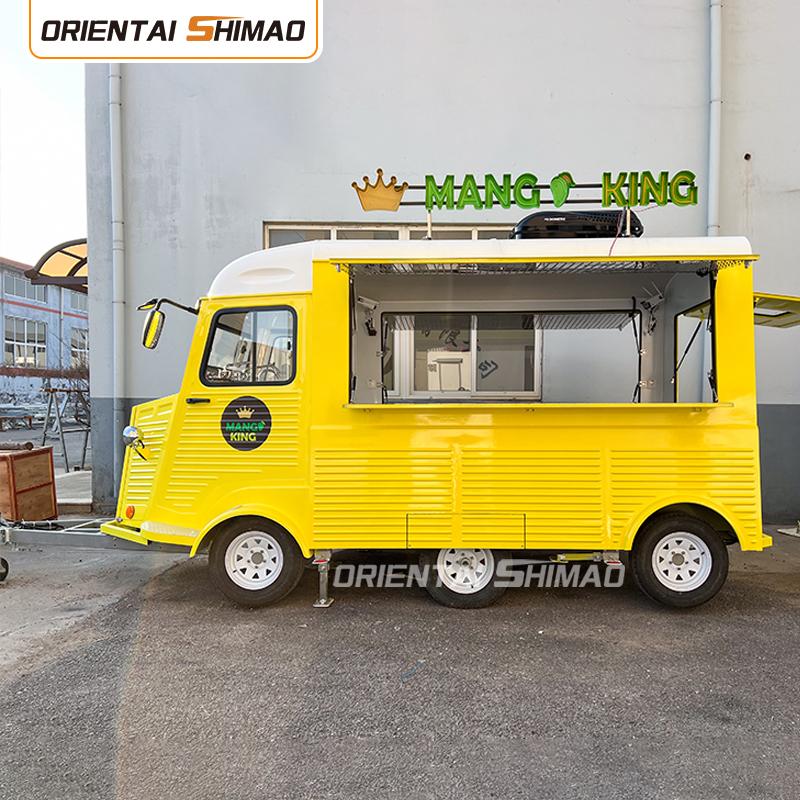
On a crowded street, where food vans blur into a parade of white boxes, standing out demands more than a catchy name. It’s about weaving a visual story that makes people slow down mid-stride. Maybe your van wears a hand-painted mural of local ingredients, or the signage uses neon letters shaped like mismatched bread slices. The goal isn’t just to be seen—it’s to spark curiosity, the kind that whispers, “What’s cooking inside?” before a menu is even opened.
The details often do the heavy lifting. A custom wrap that wraps the window in a comic-style character holding a taco, or a chalkboard menu where daily specials are handwritten with flourishes—these touches signal care and personality. They break the monotony of generic fonts and stock photos. When someone glances at your van, they’re not just reading a name; they’re catching a glimpse of a personality. It’s that split-second intrigue that brings a second look, and eventually, a step closer to the order window.
Consistency matters, too. If your theme is retro roadside diner, the napkins, the aprons, even the way you call out order numbers should echo it. A cohesive identity doesn’t shout louder; it simply resonates deeper. It turns a food stop into a tiny theater where every element—from the rusted metal font to the classic rock playlist—paints a complete picture. That’s the kind of identity that burrows into memory, making passersby not just notice, but remember.
Permits and Licenses: A Battle Plan for the Bureaucracy
Wading through permit applications often feels like a test of endurance, but a solid approach can save your sanity. Start by gathering every piece of paperwork you might need before you even open the first form—tax IDs, site plans, environmental reviews, the works. It’s astonishing how many people stall out simply because they’re missing a single signature or outdated drawing. When you front-load the grunt work, you avoid the dreaded ping-pong of resubmissions that drags a two-week process into months.
Next, treat the regulatory agency like a puzzle to be solved rather than a wall to break through. Instead of generic inquiries, track down the exact staffer who handles your type of project and learn their specific quirks. A quick phone call to confirm whether they prefer digital scans or paper copies, or asking about the most common stumbling blocks they see, can turn a faceless bureaucracy into a manageable checklist. This isn't about gaming the system—it's about respecting that rules are often interpreted differently, and a little inside knowledge goes a long way.
Finally, build in a buffer for the unexpected. Even the best-laid plans hit snags: a zoning board meeting gets postponed, an environmental review uncovers something odd, or a new regulation drops mid-process. By padding your timeline and keeping a running log of every interaction—dates, names, reference numbers—you create a paper trail that protects you when things go sideways. When the inevitable delay hits, you’ll be ready to pivot instead of panicking.
Menu Engineering: Dishes That Fly Out the Window Every Time
Some dishes have a kind of gravitational pull all their own—the ones where the kitchen never seems to prep enough, and servers scribble orders for them in their sleep. This isn't luck. It's menu engineering at its most potent: stripping away the guesswork and designing plates that practically sell themselves. When you get it right, a dish doesn't just sit pretty on the page; it creates a quiet urgency, a whispered “I'll have what they're having” that spreads from table to table until the pans are scraped clean.
The real trick lies in knowing that people don't just buy food—they buy stories, comfort, and a little bit of theatre. A dish that flies out the window often marries the familiar with a flicker of surprise: the mac and cheese that arrives under a bubbling crust you have to crack with a spoon, or the burger whose secret sauce inspires obsessive Reddit threads. It's not about chasing trends, but about anchoring your menu in dishes that feel both inevitable and just slightly indulgent. Call it the sweet spot between nostalgia and novelty.
What's often overlooked is the power of deliberate placement and language. A dish tucked in the bottom corner with a flat description is a ghost; give it a vivid name, a hint of scarcity (“while our forager has ramps”), or a visual cue like a boxed highlight, and suddenly it takes flight. Smart kitchens track not just what sells, but why—pairing sales data with the clatter of plates returning empty. That feedback loop turns a quiet menu item into a star that never needs a push, because it moves on its own steam, every single service.
Location Scouting Secrets for Hungry Crowds and Steady Sales
Finding that perfect spot where hungry crowds naturally gather is more about listening than spreadsheets. Wander through neighborhoods during lunch rush—sniff out where lines form, where office workers clutch takeaway bags, and where the rhythm of foot traffic feels unforced. The best locations reveal themselves through the hum of everyday life, not just population heatmaps.
Steady sales often hinge on a location’s hidden rhythms. A street that sleeps on weekends might roar during weekday commutes, while a quiet evening spot could explode with late-night cravings. Look for places where daypart shifts layer neatly—breakfast grab-and-go fading into leisurely lunches, then takeout dinners. Those transitions keep registers ringing without frantic peaks and valleys.
Sometimes the secret is being the right kind of ghost. Tucked just off a busy thoroughfare, a spot can catch overflow crowds frustrated with long waits, or anchor a quiet block that’s desperate for a spark. Pay attention to where people complain about lack of options, where they ask “why isn’t there a good [fill in] around here?”—that’s your cue.
Grassroots Promotion: Getting Locals Addicted Before Day One
Long before any official launch, we hit the streets with nothing but samples and a genuine smile. We set up folding tables outside corner stores, handed out free tastes at farmers markets, and chatted up neighbors like old friends. The goal wasn’t to sell—it was to spark curiosity and let the product speak for itself. When someone asked, “When can I buy this?” we’d just wink and say, “Soon. Tell your friends.”
We tapped into the local gossip grapevine by giving freebies to the most connected people in town: the mail carrier, the bartender, the barber. They became our unofficial ambassadors, spreading the word faster than any ad could. We also threw small, invite-only tasting parties in backyards and living rooms, creating an air of exclusivity. By the time we were ready to open our doors, the whole neighborhood was already buzzing, feeling like they’d discovered something special before the rest of the world caught on.
Day-to-Day Grit: Operations, Staffing, and When to Call It a Day
Running a lean team means never truly clocking out. The daily juggle of shift swaps, last-minute sick calls, and that one espresso machine that decides to act up right before the morning rush—it’s all part of the rhythm. You learn to read the room, sense when the line cook is about to snap, and step in before the tickets pile up. Staffing isn’t just about filling slots; it’s about knowing who can handle a double on a Friday without losing their spark.
Some days, the numbers just don’t add up. You’ve cut labor, rearranged breaks, and personally bussed tables for three hours, yet the floor still feels stretched thin. That’s when you have to make the call: push through and risk burning out your best people, or shut down early and salvage tomorrow’s morale. It’s not a failure to admit the rush beat you today. Chasing perfection every single shift eventually costs more than a lost dinner service.
Operations grind to a halt not just when equipment breaks, but when people break. Spotting the signs—the barista who’s gone quiet, the dishwasher who’s been scrubbing the same pot for five minutes—is a skill sharpened over years of showing up. Sometimes, calling it a day means pouring yourself a coffee, sitting with the crew, and listening. The grit isn’t in the open sign staying lit; it’s in the honest conversations after the lights go down.
FAQ
Your concept. A catchy theme or a killer signature dish does more to set you apart than a generic “gourmet burgers” angle. Spend time really zeroing in on what makes your food worth running across a parking lot for—once that’s solid, everything from your van wrap to your social media voice falls into place much easier.
Think beyond the busy downtown corner. Scout for high footfall spots that lack quick, quality food options—like near office parks during lunch hours, late-night districts with bars but no food trucks, or weekend farmer’s markets. Don’t just park; build relationships with local businesses who’ll let you set up on their property and even promote you to their staff.
Health permits and commissary agreements often catch newcomers off guard. Most cities require you to operate from a licensed commercial kitchen, not your home. You’ll also need a business license, possibly a mobile vendor permit, and fire safety clearance. Connect with other food van owners in your area—they’re the best shortcut to understanding local red tape.
Keep your menu short and ingredient-overlapping. For instance, if you use cilantro-lime crema, spread it across tacos, bowls, and fries. Focus on dishes that assemble quickly and use ingredients you can prep in bulk. Price based on perceived value, not just cost—people happily pay more for food that feels handmade or uses a twist they can’t get elsewhere.
Show your real self—post quick behind-the-scenes clips of you prepping sauce at dawn or joking with regulars. Partner with a local brewery for a pop-up night. Give your most loyal customers a stack of “buy one, get one half off” cards to hand out—word of mouth is still your strongest engine. Avoid sounding salesy; just let your food and personality do the talking.
Underestimating the true cost of getting rolling. The van itself is just one part—wrap design, equipment, inventory, insurance, permits, and a small cash cushion for slow weeks. Many owners also forget to factor in time spent on non-cooking tasks like bookkeeping and maintenance. Track every dollar obsessively from day one, and plan to pay yourself last until you’re consistently busy.
Lean into a specific identity that goes beyond the plate. Maybe your van runs on renewable energy with compostable packaging, or you host ‘secret menu’ Tuesdays that require a code word. Create a small ritual—like a unique way you call out orders or a free spice sample with every meal. When people remember an experience, not just a sandwich, they come back and bring friends.
Conclusion
Turning a mobile culinary dream into a thriving business begins with crafting an identity that stands out. Your food van’s name, design, and vibe need to earn that second glance from passersby, making them curious enough to stop. Then there’s the messy but necessary work of securing permits and licenses—a bureaucratic obstacle course that demands patience, paperwork, and often a bit of charm. Once the legal side is settled, the real art begins: menu engineering. It’s not just about cooking what you love; it’s about designing dishes that sell fast and keep margins healthy. The right selections fly out the window consistently, turning casual customers into regulars.
Location scouting is another cornerstone. You learn to read the rhythm of a city—where hungry crowds gather, when foot traffic peaks, and how to plant yourself where steady sales are almost guaranteed. But before you ever serve a meal, grassroots promotion hooks the locals. It’s guerrilla marketing with a personal touch, building anticipation and addiction before day one through social media teasers, flyers, and word-of-mouth. Then the daily grind kicks in: operations, staffing, and the tough calls on when to call it a day. It’s a test of endurance and adaptability, from managing inventory and a small team to weathering slow hours. Ultimately, success isn’t just about the food; it’s about stitching together these pieces into a cohesive, resilient business.
Contact Us
Contact Person: Jack Wang
Email: [email protected]
Tel/WhatsApp: 8618306483516
Website: https://www.orientalshimaofoodtruck.com