
Leading Surge Protective Device Manufacturers: Key Innovations and Industry Insights
2025-12-30
In today's rapidly evolving technological landscape, reliable surge protection is more crucial than ever before. As industries worldwide face increasing threats from power surges and electrical disturbances, the role of surge protective devices (SPDs) has transformed from a mere accessory to a cornerstone of infrastructure safety. This blog delves into the dynamic world of leading surge protective device manufacturers, exploring key innovations that are shaping the industry and offering valuable insights into future trends. At the forefront of this discussion stands SINGI, a brand synonymous with cutting-edge solutions and unwavering reliability. By uncovering the latest advancements and strategic shifts in the SPD market, we aim to provide you with a comprehensive understanding of how these technologies safeguard our modern world. Join us as we navigate the complexities of surge protection, highlighting what sets top manufacturers apart and why staying informed matters more than ever.
Revolutionizing Protection: Cutting-Edge Surge Technology
In today's rapidly evolving digital landscape, where power surges can silently cripple sensitive electronics, cutting-edge surge technology is redefining what it means to safeguard devices. Gone are the days of basic protectors that merely absorb excess voltage; modern solutions employ advanced materials like metal oxide varistors and gas discharge tubes, integrated with smart monitoring systems that can predict and respond to anomalies in real-time. This not only prevents catastrophic failures but also extends the lifespan of equipment, making protection more proactive than reactive, seamlessly blending into high-tech environments from data centers to smart homes.
What sets this technology apart is its ability to adapt to varying surge intensities and frequencies, ensuring a robust defense without compromising performance. By leveraging innovations such as adaptive clamping and multi-stage filtering, it minimizes downtime and maintenance costs, offering a level of reliability that was once unattainable with older models. This shift represents a leap toward more resilient infrastructures, where protection is no longer an afterthought but a core component of design, empowering users to focus on their work without constant worry about electrical threats.
Moreover, the integration of IoT capabilities allows for remote diagnostics and automated adjustments, tailoring protection to specific needs and environmental changes. This personalization ensures that whether it's a minor spike or a severe lightning strike, the technology can handle it efficiently, reducing waste and enhancing sustainability. As industries push forward with green initiatives and energy efficiency, these advancements in surge protection are proving essential, providing peace of mind while fostering innovation in how we power and protect our world's critical systems.
Smart Guardian Devices: AI and IoT Integration
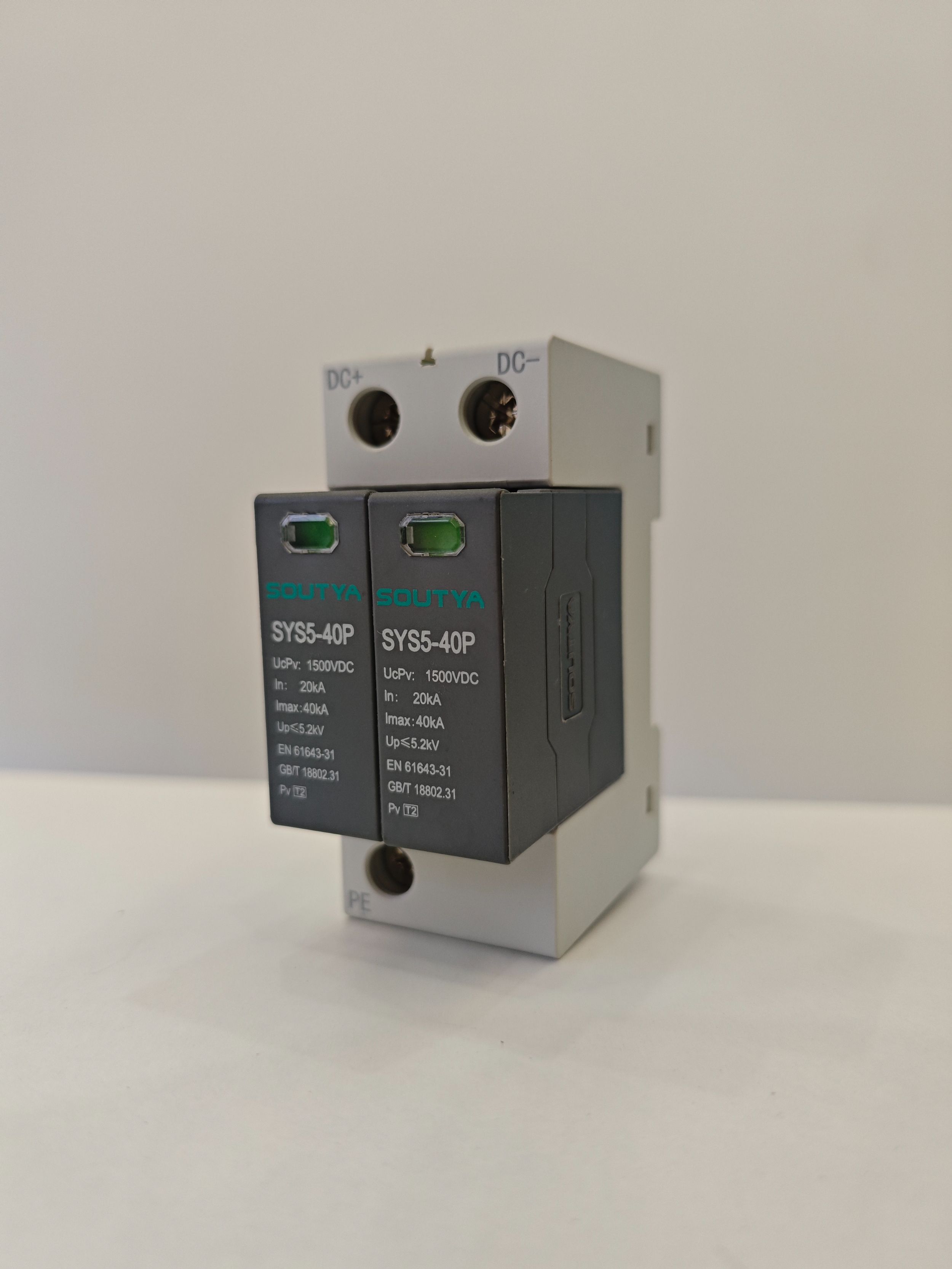
The fusion of AI and IoT in guardian devices is reshaping how we perceive security, transforming static tools into dynamic protectors. These devices—from smart cameras to connected sensors—are no longer just passive observers; they actively learn from their surroundings, adapting to patterns to spot anomalies before they escalate. By integrating AI's predictive capabilities with IoT's extensive connectivity, they create a fluid defense system that anticipates threats rather than merely reacting to them.
At the core of this integration lies the ability to analyze vast streams of data in real-time, a feat that sets these devices apart from conventional models. Imagine a guardian device that not only detects motion but also distinguishes between a family pet and an intruder, reducing false alarms while enhancing accuracy. This synergy allows for personalized security protocols, tailoring responses based on individual behavior and environmental factors, thereby offering a more nuanced approach to protection.
Beyond traditional surveillance, these systems are evolving into proactive assistants, capable of notifying users of potential hazards like water leaks or unusual energy consumption. They forge a seamless link between physical security and digital insights, empowering users with actionable intelligence rather than overwhelming them with raw data. As AI continues to refine its decision-making algorithms and IoT expands its network reach, guardian devices are poised to become indispensable partners in fostering safer, more responsive environments.
Sustainable Solutions: Eco-Friendly Materials and Practices
In the quest to reduce our environmental footprint, sustainable solutions have emerged as a cornerstone of modern innovation, blending eco-friendly materials with mindful practices. From biodegradable packaging made from plant-based fibers to recycled plastics transformed into durable products, these alternatives not only minimize waste but also encourage a circular economy. By prioritizing materials that are renewable and low-impact, we can significantly cut down on pollution and resource depletion, paving the way for a cleaner, greener future.
Beyond just materials, sustainable practices play a crucial role in shaping responsible behaviors across industries. For instance, adopting energy-efficient processes in manufacturing or implementing zero-waste initiatives in offices can lead to substantial savings in both costs and carbon emissions. These efforts often involve rethinking traditional methods—like using natural dyes instead of synthetic ones in textiles or harvesting rainwater for irrigation in agriculture—transforming everyday actions into powerful tools for environmental stewardship.
While challenges remain, such as higher initial costs or limited availability of some eco-friendly options, the growing demand and continuous innovation are driving accessibility and affordability. By embracing these solutions holistically, from sourcing to disposal, we can create resilient systems that benefit both the planet and its inhabitants, turning sustainability from a niche concept into a mainstream necessity.
Global Market Leaders: Dominance and Strategic Alliances
In today's fiercely competitive global landscape, market leaders don't just emerge by chance—they're forged through a relentless pursuit of excellence and clever strategic moves. Companies like Amazon in e-commerce, Apple in consumer electronics, and Saudi Aramco in energy have carved out commanding positions by mastering operational efficiency and customer obsession. However, staying ahead requires more than just internal strength. In many cases, dominance is solidified by forming key alliances that allow these giants to expand their reach, pool resources, or access new technologies without reinventing the wheel.
Strategic alliances serve as a powerful tool for maintaining and extending market leadership. These partnerships can range from R&D collaborations, like the one between Google and NASA, to supply chain integrations, such as Toyota's partnerships with suppliers that bolster its lean manufacturing prowess. By teaming up, leaders can mitigate risks, accelerate innovation, and respond swiftly to changing consumer demands. This isn't about mere cooperation; it's a strategic calculus that helps them stay resilient against disruptors and economic headwinds, ensuring long-term supremacy in their respective domains.
The interplay between dominance and strategic alliances often creates a ripple effect across industries. For instance, pharmaceutical giants like Pfizer form alliances with biotech startups to speed up drug development, while tech behemoths such as Microsoft partner with smaller firms to integrate AI solutions. By leveraging these synergies, market leaders not only consolidate their power but also foster ecosystems where innovation thrives. Ultimately, this dynamic blend of internal dominance and external collaboration defines the modern playbook for global market leadership, setting a benchmark that others strive to emulate.
Residential and Commercial Applications: Tailored Innovations
When it comes to residential and commercial applications, tailored innovations are reshaping how spaces function and feel. In homes, smart technologies now go beyond basic automation to offer personalized comfort, like lighting that adjusts based on daily routines or climate control systems that learn occupants' preferences over time. For businesses, these innovations streamline operations, such as in retail where IoT devices track inventory in real-time or in offices where modular furniture systems adapt to changing team needs, fostering efficiency without sacrificing design.
What truly sets these advancements apart is their focus on user-centric solutions. In residential settings, innovations often emphasize sustainability and well-being, integrating features like solar-powered appliances or air purification systems that blend seamlessly into modern aesthetics. On the commercial side, tailored approaches might include customizable software platforms that scale with business growth or durable materials developed specifically for high-traffic environments, ensuring both practicality and longevity in diverse applications.
Moreover, the intersection of residential and commercial applications reveals a trend toward versatility, where innovations originally designed for one sector are creatively adapted for the other. For instance, security systems with AI-driven monitoring, initially popular in commercial buildings, are now making homes safer and more intuitive. This cross-pollination not only broadens the impact of tailored innovations but also encourages continuous evolution, as feedback from different use cases drives improvements that benefit everyone, from family households to corporate enterprises.
Future Trends: Predictive Maintenance and Enhanced Safety
Imagine a world where machines whisper their needs before they break, transforming how we keep things running smoothly. Predictive maintenance is no longer just a buzzword—it's a game-changer, leveraging data and AI to forecast equipment failures with uncanny accuracy. By analyzing patterns from sensors and historical logs, businesses can shift from reactive fixes to proactive care, slashing downtime and cutting costs. This isn't just about saving money; it's about crafting smarter, more resilient systems that adapt in real-time, turning potential disasters into manageable blips on the radar.
But the story doesn't end there—safety gets a major boost too. Enhanced safety measures are evolving beyond basic alarms and manual checks, integrating predictive insights to prevent accidents before they happen. Think of factories where wear-and-tear alerts trigger automatic shutdowns, or transportation networks that reroute based on imminent hazards detected by smart algorithms. This synergy between maintenance and safety creates environments that aren't just efficient but inherently protective, building trust and reliability in every operation.
Looking ahead, these trends are set to redefine industries from manufacturing to healthcare, blending innovation with practicality. As technology advances, expect more seamless integrations, like IoT devices chatting with AI to fine-tune safety protocols, or blockchain ensuring tamper-proof maintenance records. The future isn't just about fixing things; it's about fostering ecosystems where every component works harmoniously, prioritizing both peak performance and human well-being in a balanced, forward-thinking approach.
FAQ
Leading manufacturers are prioritizing smart technologies like IoT integration for real-time monitoring and predictive maintenance, as well as developing more compact, energy-efficient designs that meet stricter environmental standards.
Insights indicate a shift towards more robust devices capable of handling increased lightning strikes and power surges linked to extreme weather, with emphasis on durability and resilience in harsh conditions.
Innovators are exploring advanced semiconductors, such as silicon carbide and graphene-based elements, which offer faster response times and higher energy absorption to enhance protection reliability.
Challenges include navigating diverse international regulations, rising raw material costs, and the need for continuous R&D to keep pace with rapidly changing electrical infrastructures and consumer demands.
They differentiate through unique features like customizable protection levels, extended warranties with performance guarantees, and user-friendly installation processes that reduce downtime and maintenance needs.
Collaboration with utility providers, research institutions, and tech firms accelerates innovation by pooling resources for testing new designs, sharing data on failure rates, and developing industry-wide standards.
A cutting-edge application is in renewable energy systems, where advanced surge protectors safeguard solar panels and wind turbines from grid fluctuations, ensuring stable power output and longer equipment lifespans.
Trends include the integration of AI for adaptive protection algorithms, increased focus on cybersecurity in connected devices, and a push towards sustainable, recyclable materials to reduce environmental impact.
Conclusion
Leading surge protective device manufacturers are driving significant advancements through cutting-edge technologies that revolutionize protection mechanisms. Innovations include enhanced materials and designs that offer superior performance against electrical surges. These developments are crucial for safeguarding both residential and commercial applications, where tailored solutions address specific needs across various sectors. By focusing on robust engineering and reliable performance, manufacturers ensure that their products provide effective defense against transient voltage events, thereby protecting valuable equipment and infrastructure from potential damage.
The industry is further evolving with the integration of smart technologies, such as AI and IoT, enabling devices to offer real-time monitoring and adaptive responses. Sustainable practices are gaining prominence, with many manufacturers adopting eco-friendly materials and energy-efficient processes to reduce environmental impact. Key market players are strengthening their positions through strategic alliances and global expansions, fostering innovation and market dominance. Looking ahead, trends like predictive maintenance and enhanced safety features are set to shape the future, offering proactive solutions that minimize downtime and improve overall protection systems. This holistic approach underscores the dynamic nature of the surge protective device market.
Contact Us
Contact Person: Jack
Email: [email protected]
Tel/WhatsApp: (+86) 13757759651
Website: https://www.singi.com