Nonylphenol Supplier: Key Considerations for Safe and Reliable Sourcing
2026-10-08
Choosing a nonylphenol supplier isn't a checkbox exercise. The difference between a reliable partner and a costly mistake often comes down to details that don't show up on a spec sheet—batch-to-batch consistency, transparent documentation, and a proactive approach to regulatory shifts. At POLYKEM, we've seen how these factors separate smooth operations from supply chain surprises. This post breaks down the essential criteria for safe and reliable nonylphenol sourcing, so you can avoid common pitfalls before they reach your production line.
Supplier Vetting That Goes Beyond Registration Certificates
Many sourcing teams treat a supplier's registration certificate as the finish line, but that document only proves the company exists. It says nothing about production capacity, quality consistency, or how the factory handles a rush order. Real vetting starts with walking the floor—checking whether the machines on site match the claimed output, whether raw material storage is organised, and whether workers follow the same process every shift. A certificate can be renewed; a messy, overloaded line cannot be hidden.
Dig into recent shipment records, not just samples. Ask for the names of three buyers who placed orders of similar size in the past twelve months, then contact them directly. Better yet, visit on an unannounced day. If the supplier hesitates or offers a polished tour instead, treat that as a signal. The goal is not to collect more paperwork but to see how problems are handled when no one is watching.
Nonylphenol Purity Markers Worth Testing For
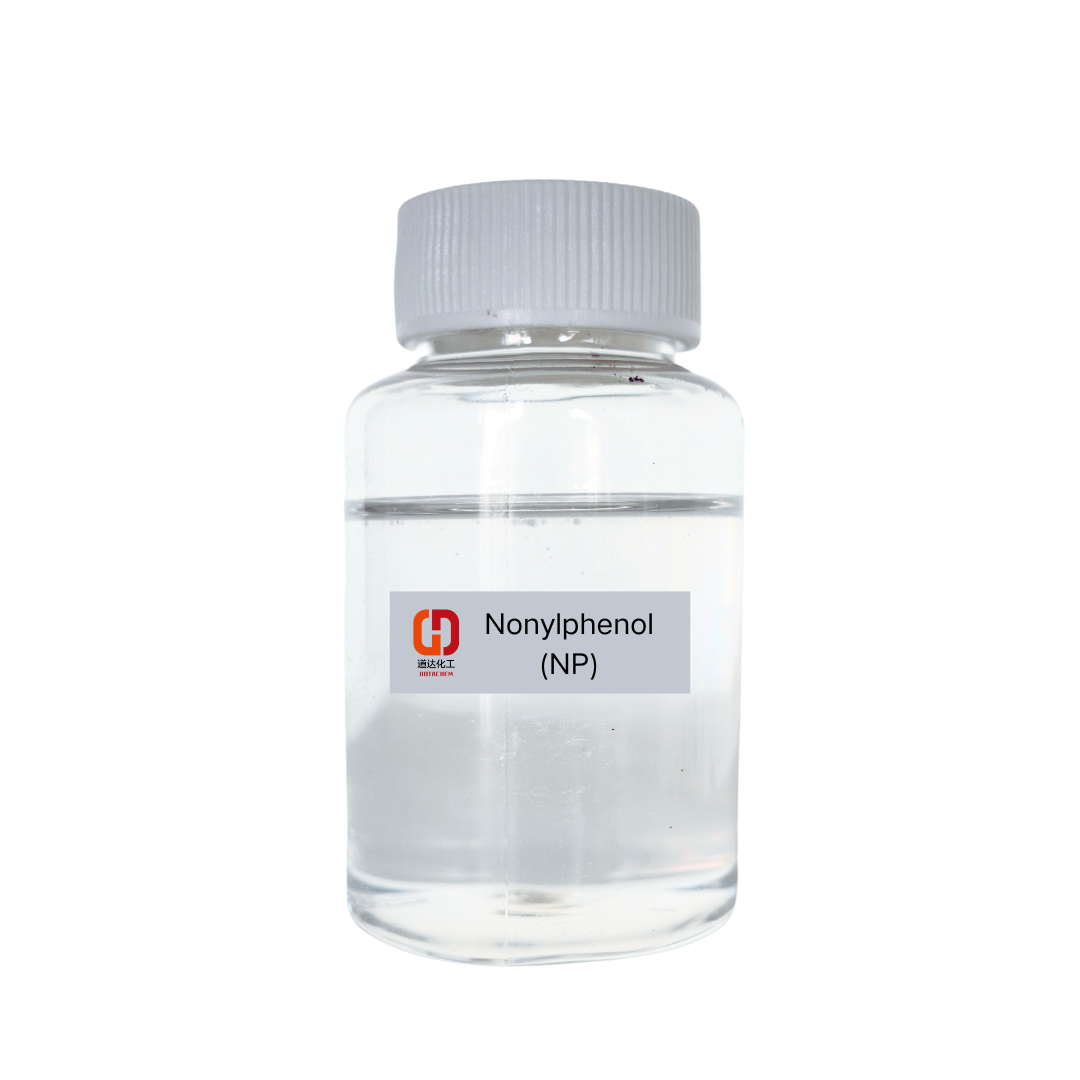
When a nonylphenol lot arrives, the first marker most analytical labs look at is the isomer ratio between 4-nonylphenol and 2-nonylphenol. In a typical acid-catalyzed alkylation, the para isomer should dominate at around 90% or more, while the ortho form stays below 10%. A batch that drifts closer to 15–20% ortho often indicates poor temperature control, spent catalyst, or a change in the olefin feedstock. The branched nonyl chain distribution matters too: propylene trimer gives a characteristic mix of dimethylheptyl and methyloctyl isomers, and any shift in that fingerprint can signal substitution with cheaper or recycled olefins.
Beyond isomer profile, residual phenol and heavy alkylates are the most direct purity markers worth tracking. Phenol carryover above 0.1% usually means the distillation cut was too wide or the recovery column was running cold, and it shows up as a sharp, sweet odor even at low levels. On the other end, dinonylphenol and heavier oligomers above roughly 2% point to over-alkylation or insufficient vacuum in the finishing still. For high-purity applications, also check moisture and peroxides—both can quietly degrade nonylphenol during storage, leading to off-color batches that fail downstream sulfation or ethoxylation specs.
Regulatory Shifts You Can Prepare For Today
Rather than waiting for rules to land, companies can track pending legislation in key markets. Recent moves around cross-border data transfers, product sustainability claims, and gig worker classification have shifted faster than many expected. Building a small compliance review cycle now—quarterly scans of agency bulletins and trade association updates—can prevent rushed retrofits later.
One often-overlooked shift is the tightening of advertising substantiation requirements. Regulators in several regions now expect brands to hold evidence not just for claims about ingredients or performance, but also for implied benefits like “eco-friendly” or “clinically proven.” Organizing your internal test results, supplier certifications, and consumer complaint logs into a single accessible record makes responding to an inquiry far less disruptive.
Finally, pay attention to the growing overlap between employment law and data protection. Rules around monitoring remote workers, using AI in hiring, and retaining applicant data are being updated piecemeal. Updating employee handbooks and vendor agreements ahead of these changes costs less than defending a non-compliance charge after the fact.
Mapping the Supply Chain From Reactor to Dock
Between the reactor hall and the loading dock lies a route that is rarely fixed for long. Spent fuel begins its journey underwater, moving from the core to a cooling pool where it may sit for years before being placed into shielded dry casks. The physical path from that pool to the dock often runs through narrow service corridors, across a turbine building floor, and out to a heavy-haul road or rail spur—every turn measured against crane capacity and radiation dose limits.
Once the cask reaches the waterfront, the handoff shifts from site operators to port crews and vessel masters. Berth depth, tide timing, and weather windows can delay a lift by hours. The cask is not simply loaded like standard cargo; it is secured to a dedicated sea-fastening frame, and the ship’s route must account for emergency response ports along the way. This stage of the chain is as much about paperwork and clearances as it is about rigging and ballast.
What makes the map genuinely useful is its detail. A reactor in a coastal location may move a cask only a few hundred meters to a dock, while an inland plant may rely on a combination of barge and ocean-going vessel. Each site has a unique choke point—a low bridge, a tight rail curve, a customs hold—that reroutes the entire plan. Drawing that map means walking the route, verifying every clearance, and updating it each time a new cask design or port regulation appears.
Safety Data Sheets Without Missing Sections
A safety data sheet that arrives with gaps isn't just an annoyance—it puts everyone downstream at a disadvantage. When sections are missing, workers can't quickly find first-aid measures or understand proper storage conditions, which means decisions get delayed or based on guesswork.
The most frequently overlooked parts tend to be exposure controls, personal protective equipment, and disposal considerations. This isn't a matter of minor paperwork; without those details, a facility might choose the wrong gloves, skip ventilation requirements, or handle waste in a way that violates local rules.
A complete SDS also helps avoid the back-and-forth with suppliers. Instead of chasing missing information during an audit or an emergency, you have the full picture in one place—physical and chemical properties, toxicological data, and regulatory status ready when you need them. That completeness turns a routine document into a practical safety tool.
Batch Consistency That Survives Real-World Conditions
Many facilities treat batch consistency as a fixed recipe: set the temperature, set the timing, and walk away. But real production floors are never that cooperative. Ambient humidity swings, incoming raw material varies from lot to lot, and even minor differences in how an operator loads a hopper can shift the outcome. A system that only works under perfect conditions is not really consistent—it's just fragile.
The better approach is to design for drift. Instead of assuming every input stays stable, the equipment should measure what actually matters—viscosity, moisture content, particle size, or reaction rate—and adjust in real time. A small correction made early in a batch is invisible to the final user, but it prevents a cascade of problems later. Calibration routines that run mid-shift, rather than only at startup, also help absorb slow environmental changes that a single morning check would miss.
What separates durable consistency from textbook consistency is how the process behaves when conditions get messy. A system that holds its spec on a dry winter morning and a humid summer afternoon, with different raw-material deliveries and a new operator on the line, has earned the right to be called consistent. That kind of resilience comes from feedback loops and thoughtful sensor placement, not from locking in a single set of numbers and hoping the world cooperates.
FAQ
Any supplier you consider must be fully aligned with REACH and local chemical safety laws. Ask for current registration numbers and verify restrictions on nonylphenol use, especially if you're selling into the EU. Some markets have strict phase-outs, so confirm their product isn't banned for your intended application.
Request certificates of analysis for the last three to five production batches, not just a single sample. Look for tight control over para-isomer content and low levels of unreacted phenol or water. A supplier that openly shares batch data and discusses variability is usually more reliable than one that hides behind a single spec sheet.
Beyond the safety data sheet, insist on technical data sheets, REACH pre-registration or registration details, transport classification documents, and a clear statement of origin. If you're sourcing from a distributor, ask who the actual manufacturer is and whether they can trace each shipment back to the production site.
Watch for repeated revisions to safety data sheets that downplay hazards, reluctance to share incident reports, or vague answers about storage and handling. Nonylphenol is toxic to aquatic life and carries long-term risks, so a supplier that treats it like a harmless commodity is not one you want to rely on.
It's crucial, especially with shifting environmental regulations. You need to know the starting phenol source, the production route, and whether any intermediate is outsourced. If a supplier can't name their key raw material sources or changes them frequently without notice, that unpredictability can disrupt your own quality and compliance.
Nonylphenol can be shipped in drums, IBCs, or heated tank containers depending on your volume and climate. Confirm the material's melting point handling during cold weather and ensure the carrier has experience with high-viscosity chemicals. Also check whether the supplier offers temperature-controlled transport or at least clear loading and unloading guidance.
If nonylphenol is central to your production, a site visit is worth the cost. You'll see whether their quality control is real or just paperwork, how they segregate raw materials, and whether workers follow proper PPE protocols. A supplier that welcomes audits and doesn't rush you through the tour is more likely to maintain consistent standards.
Ask about wastewater treatment for production effluent, since nonylphenol is an endocrine disruptor and highly persistent in water. A responsible supplier will have specific treatment steps and third-party monitoring data. If they only mention general compliance without measurable discharge limits, that's a caution sign.
Conclusion
Sourcing nonylphenol safely means looking well past a supplier’s registration certificates. Certificates alone rarely reveal whether a producer actually controls isomer distribution, residual phenol levels, or trace moisture that can destabilize downstream formulations. Ask for batch-specific purity data on 4-nonylphenol content, not just a generic “technical grade” claim, and confirm that the analytical methods used can distinguish branched isomers. At the same time, trace the physical route from reactor to dock. A supplier who cannot explain which upstream phenol and propylene trimer sources feed the alkylation unit—or who resists sharing transport and storage conditions—is a red flag, because contamination and oxidation often enter during transfer rather than synthesis.
Regulatory shifts are also moving faster than many procurement teams expect. Several jurisdictions are tightening restrictions on nonylphenol ethoxylates, and even if nonylphenol itself remains permitted in your region, downstream customer requirements may force reformulation sooner than planned. Work with suppliers who monitor pending rule changes and can offer alternative grades or documentation support without making you chase updates. Safety data sheets deserve a full audit: missing exposure limits, aquatic toxicity sections, or first-aid measures is not a minor formatting issue. Finally, insist on batch consistency data under real-world conditions—samples stored at typical warehouse temperatures and humidity, not just ideal lab settings. Physical properties like color, viscosity, and freezing point can shift with minor impurity changes, and a supplier who verifies those shifts will save you from costly production surprises later.
Contact Us
Contact Person: Levi
Email: [email protected]
Tel/WhatsApp: +86 532 84688720
Website: https://www.polykem-intl.com