

OEM Commercial Building HVAC Systems and How to Choose the Right One
2026-09-24
Selecting an OEM commercial building HVAC system isn't just about picking a unit off a spec sheet. The wrong choice can lead to wasted energy, uncomfortable tenants, and costly retrofits. This guide cuts through the noise and walks you through the selection process step by step. Along the way, you'll see how working with an experienced supplier like Tongbaote can simplify customization and long-term performance.
Forget Tonnage Rules of Thumb—Start with the Building's Actual Load
The old shortcut of matching one ton of cooling to every 400 or 500 square feet rarely survives contact with a real building. Two homes with identical floor plans can sit on the same street and need very different equipment sizes—one shaded by mature trees with upgraded attic insulation, the other standing exposed with single-pane windows and a south-facing wall of glass. Tonnage per square foot ignores all of that, pushing you toward oversizing or undersizing before you’ve looked at a single wall assembly.
A proper load calculation starts with the building as it actually behaves hour by hour. Window orientation, air leakage, duct location, insulation levels, occupancy patterns, lighting, and even the heat thrown off by a refrigerator or a bank of computers all nudge the sensible and latent load in measurable ways. When you add those inputs honestly, the required capacity often lands well below what a rule of thumb would suggest—or above it, in the case of a leaky commercial space with a west-facing curtain wall. The number you get is not a guess dressed up as a design decision; it’s a defensible target.
That shift in thinking changes how you talk to clients and how you specify equipment. Instead of asking “how many tons does a house this size need,” you ask what the structure’s envelope, climate exposure, and internal gains are actually demanding on the worst reasonable day. From there, you can right-size the system, reduce short-cycling, improve humidity control, and keep the peak load from driving you into unnecessary first cost. Rules of thumb might work as a back-of-envelope cross-check, but they should never set the baseline for a load you actually have to live with.
Factory-Matched Components Beat Mixed OEM Assemblies Every Time
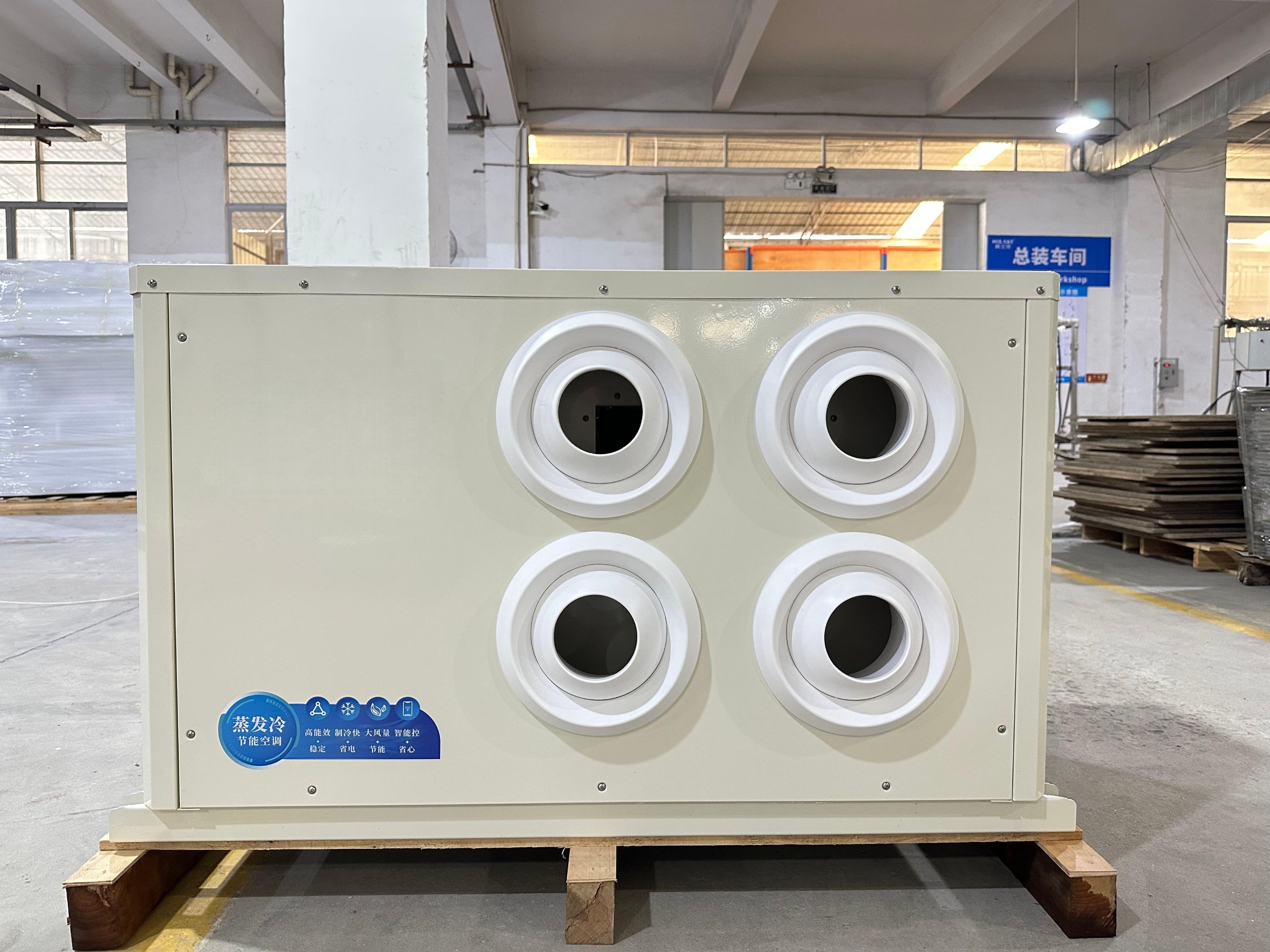
Anyone who has spent a late night swapping parts on a production line knows the frustration: two components that should fit together perfectly but don’t. Factory-matched sets remove that guesswork. Each piece is verified against its siblings before it leaves the plant, so bolts line up, seals seat correctly, and electrical connections don’t fight you.
Mixed OEM assemblies often hide their weaknesses until weeks later. A bearing that’s just slightly off spec might run fine on day one, then start eating into the housing after 300 hours. Factory-matched components share the same manufacturing tolerances and surface finishes, which means wear patterns stay predictable. You’re not gambling that a random mix will happen to work well together; you’re installing a system that was already proven as a unit.
The real payoff shows up in maintenance logs. Machines built or repaired with factory-matched sets tend to need fewer unplanned shutdowns, and when service is required, the process is faster because there’s no troubleshooting for mismatched interfaces. Over the life of the equipment, that consistency translates directly into lower total cost and less time spent under the hood.
What Maintenance Teams Wish Spec Sheets Actually Told Them
Half the battle isn't knowing the torque value—it's figuring out if a standard socket will even fit. A good spec sheet will list the thread size and torque, but it rarely mentions that the upper alternator bolt on a series 4 unit needs a stubby 13mm and a universal joint, or that the drain plug sits behind a heat shield you have to remove blind. If the drawing showed actual wrench clearance instead of a neat exploded view, the first hour of the job wouldn't be spent customizing a tool.
The same applies to lubricants and threadlockers. 'Use an approved synthetic grease' tells a tech nothing when the parts room stocks three different NLGI 2 tubes and the old one just got discontinued. Write down the exact product code, the current cross-reference, and how much is needed per fitting. Also flag the fasteners that were assembled wet at the factory—finding dried blue residue during teardown is not a good time to realize you should have ordered a specific primer.
Most of all, maintenance teams want the stuff that never makes it into the official document: the hidden Christmas-tree clip behind the badge that snaps 90% of the time, the software version that stops throwing a CAN fault only after a full reflash, and the wear items that should be replaced as a set even though the parts diagram shows them separately. That's the difference between a spec sheet that gets filed away and one that's taped inside the cabinet door.
The 'Almost Compatible' Trap Waiting in Commercial Retrofits
A retrofit that looks straightforward on paper often stalls the moment someone says “close enough.” A replacement chiller that shares the same tonnage as the old unit can still sit on a slightly different footprint, forcing field modifications to piping and electrical disconnects that no one budgeted for. Those small mismatches rarely stay small once the covers come off.
Controls are where the trap tightens. An existing building automation system may speak BACnet, but a new rooftop unit’s onboard controller might expose only a limited point list or require a proprietary gateway. The equipment runs, the graphics show a green status, yet the sequence of operations never quite lines up with the original design intent. Energy savings that justified the retrofit start leaking away in override modes and manual setpoint corrections.
The fix is less about finding perfectly matching hardware and more about treating compatibility as a written deliverable. Before purchase, pull submittals, check clearance dimensions, demand a controls integration matrix, and have the installing contractor sign off on the interface points. If a vendor says a component is “almost compatible,” ask them to list exactly what the “almost” will cost in labor, downtime, and warranty support.
Controls Are the Quiet Dealbreaker in OEM HVAC Packages
When evaluating an OEM HVAC package, spec sheets tend to spotlight compressors, coils, and energy ratings. Controls rarely get the same attention. Yet the thermostat or control board is what the building owner actually touches every day. If that interface feels clunky or fails to communicate with other systems, the whole installation starts to feel like a compromise.
A mismatched control setup can undermine even the best hardware. For instance, a unit with a high-end variable-speed compressor but basic on/off controls wastes most of its efficiency potential. Technicians may struggle with cryptic error codes, and occupants end up overriding settings just to stay comfortable. Those small frustrations accumulate into service calls, tenant complaints, and a reputation hit for the installer.
The real issue is that controls often get treated as an afterthought in package deals. A contractor quotes the lowest upfront cost, and the OEM bundle includes a generic controller to keep the price down. Six months later, the building manager is dealing with dead zones, scheduling quirks, or a lack of remote access. At that point, the savings vanish. Good controls don't have to be flashy, but they need to match how the space is actually used. Otherwise, they quietly become the reason the customer looks elsewhere next time.
Service and Parts: The Real Decision Behind the Unit
When you buy a piece of heavy equipment, the machine itself is only half the story. The other half—and often the more important one—is how quickly you can get it back to work when something breaks. That's where service and parts support becomes the real deciding factor. A unit might look impressive on the spec sheet, but if the nearest dealer takes days to diagnose a fault or the wrong filter sits on backorder for weeks, your downtime quietly eats into every dollar you saved on the purchase price.
Smart buyers look beyond the painted metal and ask harder questions: What's the average response time for a field technician? Are common wear parts stocked locally or shipped from a warehouse three states away? Does the manufacturer offer remote diagnostics that catch small issues before they become big ones? These details rarely show up in a brochure, yet they shape the true cost of ownership far more than fuel burn or lift capacity ever will.
In the end, a unit is only as reliable as the support network behind it. A machine that can be serviced within hours, with parts on hand and a technician who knows the model by heart, will outwork a technically superior rival that sits idle waiting for a courier. That's why experienced fleet managers often choose a slightly less advanced machine from a brand with a stronger local service footprint—because in this business, uptime isn't a feature. It's the whole point.
FAQ
OEM means Original Equipment Manufacturer. In commercial buildings, these are the companies that design and build the actual HVAC units—not third-party replicas. Going with OEM parts or systems keeps performance specs intact, preserves warranties, and avoids the guesswork that often comes with generic replacements.
They span the full range. OEMs produce rooftop units for small retail spaces up to modular chillers for high-rises. The key is matching capacity and configuration to your building's load profile, not the brand name alone.
Check the unit's native communication protocols—most modern OEM equipment supports BACnet, Modbus, or LonWorks natively. If your BAS uses an open protocol, integration is usually straightforward. Avoid proprietary gateways unless absolutely necessary.
Many assume OEM always costs more upfront. That's not always true—especially for packaged units. Even when the initial price is higher, you're paying for validated performance data, exact fit, and factory support, which often lowers total cost of ownership over 10–15 years.
Look at part-load performance, not just full-load EER or SEER. Commercial buildings rarely run at peak load. Also consider the availability of local service technicians, parts depots, and whether the OEM offers remote diagnostics.
You can, but it's risky. Different control logic and refrigerant management can create inefficiencies or fault codes. If you must mix, choose brands that openly document their integration points and test the setup before commissioning.
Big role, especially with phasedowns of high-GWP refrigerants. OEMs are shifting to R-32, R-454B, or CO2 in certain segments. Choosing a system with a future-proof refrigerant avoids a costly retrofit in five to seven years.
Ask for AHRI certification and third-party test reports. Don't rely on marketing brochures. Also request references from similar buildings—actual operating data tells you more than a spec sheet.
Conclusion
Choosing an OEM commercial HVAC system starts by throwing out tonnage rules of thumb. Run a real load calculation that reflects glazing, occupancy, ventilation, and internal gains—otherwise you end up with capacity the building never needs. From there, factory-matched components matter more than spec-sheet compatibility. A compressor, coil, and fan tested together as a package will hold up better at part load than a mix of “equivalent” parts from different vendors. Maintenance teams also want spec sheets that tell the truth: access clearances, filter change intervals, and measured sound levels, not just nominal ratings. Those details determine whether a unit is actually serviceable in the field. The “almost compatible” trap is common in retrofits—same curb, same duct connections, but different refrigerant piping, electrical requirements, or coil geometry. That mismatch quietly eats efficiency and reliability.
Controls are the quiet dealbreaker. If the unit's onboard controller can't communicate with the building automation system without an expensive gateway or custom code, you've bought a hidden integration cost and a future comfort complaint. Look for open protocols and a documented points list before purchase. Finally, service and parts should drive the decision. A brand with local distributor stock, trained technicians, and fast compressor availability keeps downtime short. Choosing the right OEM system means weighing actual building load, factory integration, honest maintenance data, retrofit fit, control compatibility, and long-term parts support—not just the equipment price.
Contact Us
Contact Person: Wanshu Chen
Email: [email protected]
Tel/WhatsApp: +86-13662871206
Website: https://www.mbcee.com