
Revolutionizing Feminine Hygiene: The Full Automatic Sanitary Napkin Making Machine Unveiled
2026-04-22
In a world where innovation drives every corner of our lives, the domain of feminine hygiene is witnessing a groundbreaking shift. Imagine a solution that not only elevates comfort and reliability but redefines the entire manufacturing process—enter the full automatic sanitary napkin making machine. This revolutionary technology isn't just a step forward; it's a leap toward empowering women worldwide. At Womeng, we're proud to unveil this marvel that combines precision engineering with a deep understanding of women's needs, setting new standards in hygiene and sustainability. Curious how this machine transforms raw materials into trusted essentials? Let's dive into the details that promise to change the game forever.
Innovating Women's Wellness: A Bold Leap in Feminine Hygiene Technology
In the realm of feminine hygiene, recent strides have transformed products from essential basics into sophisticated wellness tools. These innovations not only prioritize comfort and reliability but also incorporate smart technologies to enhance daily routines. By focusing on user-centered design and sustainable materials, brands are redefining what it means to care for oneself in a modern context.
Advanced features such as moisture-wicking fabrics and pH-balancing components are now standard in many items, offering a personalized touch that adapts to individual needs. This shift toward intuitive solutions reflects a deeper understanding of feminine health, empowering users with choices that align with their lifestyles and values. The fusion of science and empathy drives this progress, making wellness more accessible and effective than ever before.
Looking ahead, continuous research and collaboration pave the way for even bolder advancements, from biodegradable options to integrated digital monitoring. These developments signal a commitment to long-term well-being, ensuring that feminine hygiene evolves alongside societal changes and technological breakthroughs. As these innovations gain traction, they inspire a broader conversation about holistic health and innovation in personal care.
Behind the Scenes: How This Machine Revolutionizes Sanitary Napkin Production
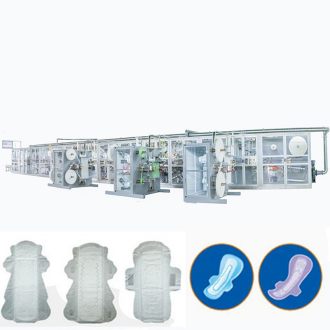
Walking into the production area, one is immediately struck by the hum of innovation—a sophisticated machine quietly orchestrating each step in sanitary napkin creation. Unlike traditional assembly lines that rely heavily on manual intervention, this automated system integrates high-speed sensors and precision robotics to ensure consistent thickness and absorbency across every product. By minimizing human error, it not only boosts efficiency but also guarantees that each napkin meets stringent hygiene standards, a crucial factor for consumer trust in this sensitive category.
Diving deeper into its operation, the machine employs advanced materials-handling techniques that allow for seamless transitions between layers, from the core to the backing. This streamlined process reduces waste significantly, using recycled materials where possible without compromising performance. The ability to customize outputs on the fly means manufacturers can quickly adapt to market trends, offering everything from ultra-thin designs to enhanced comfort features, all while maintaining a rapid production pace that keeps costs in check.
Perhaps most revolutionary is how this technology fosters sustainability and accessibility. By optimizing energy use and integrating eco-friendly components, it lowers the environmental footprint of production. Simultaneously, increased output capabilities make sanitary products more affordable and widely available, addressing gaps in global supply chains. As this machine redefines the industry, it sets a new benchmark for combining technological prowess with social responsibility in manufacturing.
Breaking Barriers: The Environmental and Social Impact of Automated Solutions
Automated solutions are quietly reshaping how we interact with our planet and each other, often in ways that go unnoticed. By streamlining industrial and agricultural processes, these technologies help slash energy consumption and reduce waste, leading to cleaner air and water. This shift isn't just about efficiency—it's a fundamental move toward preserving natural resources for future generations, offering a hopeful path in the fight against climate change.
Beyond the environment, automation is breaking down social barriers by creating more inclusive opportunities. With smart systems handling repetitive tasks, people can focus on creative and strategic roles, fostering innovation in communities worldwide. Additionally, automated tools in healthcare and education are bridging gaps, providing access to services in remote or underserved areas, and empowering individuals who might otherwise be left behind.
Yet, the true impact lies in the balance between progress and responsibility. As these solutions evolve, it's crucial to consider equitable distribution of benefits and address potential job displacement. By designing automation with a human-centered approach, we can ensure it not only boosts productivity but also strengthens social cohesion, making our world more resilient and connected.
From Concept to Reality: The Design and Engineering Marvel Unveiled
The journey from conceptual sketches to tangible innovations embodies the spirit of human creativity and technical mastery. At its core, this process transforms abstract ideas into functional marvels that define industries and enrich lives, illustrating how visionary thinking merges seamlessly with rigorous engineering.
Delving into the intricate phases of development reveals a symphony of collaboration, where designers refine aesthetics and user experience, while engineers tackle structural integrity and technological feasibility. This synergy ensures that every component not only meets but exceeds expectations, pushing boundaries in efficiency and sustainability.
Highlighting specific case studies, such as advancements in renewable energy systems or pioneering architectural feats, showcases the profound impact of these endeavors. By unraveling these stories, we gain appreciation for the relentless dedication behind the scenes, celebrating the milestones that turn dreams into reality and inspire future generations.
Empowering Communities: Accessibility and Benefits for Diverse Populations
When we talk about empowering communities, it's not just a buzzword – it's about rolling up our sleeves and making sure everyone can take part, regardless of their background or abilities. Think of it as building a bridge where there wasn't one before, so that people from all walks of life can access the resources and opportunities they need to thrive. This means going beyond token gestures and really listening to what different groups need, whether it's providing materials in multiple languages, adjusting schedules to fit different lifestyles, or ensuring physical spaces are welcoming to all.
For example, imagine a local health center that starts offering evening appointments and telehealth options. Suddenly, working parents, seniors who find it hard to get around, and people in remote areas can get care without jumping through hoops. That's accessibility in action – it's about breaking down barriers so that diverse populations don't just hear about benefits, but actually experience them firsthand. It's this hands-on approach that builds trust and makes communities stronger and more resilient over time.
At the end of the day, empowering communities through better accessibility creates a ripple effect. When people feel included and supported, they're more likely to contribute their skills, ideas, and energy back into the community. This isn't just good for individuals – it boosts local economies, sparks innovation, and fosters a sense of belonging that's hard to measure but easy to see. So, by focusing on inclusivity and tangible benefits, we're not just helping a few; we're building a foundation where everyone has a fair shot at success.
Future-Proofing Feminine Care: Trends and Advancements Driven by Automation
Automation is reshaping feminine care by enabling personalized solutions that adapt to individual needs. Smart devices and AI algorithms are being integrated into products to provide real-time feedback on health metrics, such as cycle tracking and symptom management. This shift not only enhances convenience but also empowers users with data-driven insights for better self-care.
Emerging trends include the development of automated manufacturing processes for sustainable hygiene products, reducing waste and improving accessibility. For example, automated systems can produce customizable, biodegradable pads or tampons on-demand, minimizing environmental impact while catering to diverse preferences.
Advancements in automation also foster innovation in discreet, user-friendly designs, such as app-connected devices that offer discreet alerts and reminders. By prioritizing automation, the industry is moving towards a more efficient, inclusive future where feminine care is seamlessly integrated into daily life.
FAQ
It significantly boosts production efficiency, reducing manual labor and ensuring consistent hygiene standards in large-scale manufacturing.
By optimizing material usage and minimizing waste during production, it supports eco-friendly practices in the industry.
Yes, it features flexible settings that allow customization for various absorbency levels, shapes, and product designs without major retooling.
It includes automated monitoring systems for temperature and pressure, along with emergency stop functions to prevent accidents and maintain strict quality control.
It drives innovation, potentially lowering costs and increasing accessibility to high-quality products, especially in developing regions.
Routine checks on mechanical parts and software updates are recommended, but its modular design simplifies repairs, reducing downtime and operational disruptions.
Conclusion
The unveiling of the Full Automatic Sanitary Napkin Making Machine marks a bold leap in feminine hygiene technology, revolutionizing women's wellness through innovative automation. This machine transforms sanitary napkin production by streamlining processes behind the scenes, significantly increasing efficiency and consistency in manufacturing. As a design and engineering marvel, it moves from concept to reality with precision engineering that ensures high-quality output, addressing long-standing production challenges in the industry. By breaking barriers, it not only enhances product reliability but also sets new standards for hygiene and safety in feminine care products.
Beyond production improvements, this automated solution has profound environmental and social impacts, reducing waste and resource consumption while empowering communities through increased accessibility. It benefits diverse populations by making sanitary products more affordable and available, especially in underserved regions. Looking ahead, the machine future-proofs feminine care by driving trends and advancements in automation, fostering innovation that adapts to evolving consumer needs. This holistic approach positions the technology as a transformative force in advancing global feminine hygiene standards and promoting inclusivity.
Contact Us
Contact Person: Jessie Lai
Email: [email protected]
Tel/WhatsApp: 86-188594442931
Website: https://www.wm-machinery.com