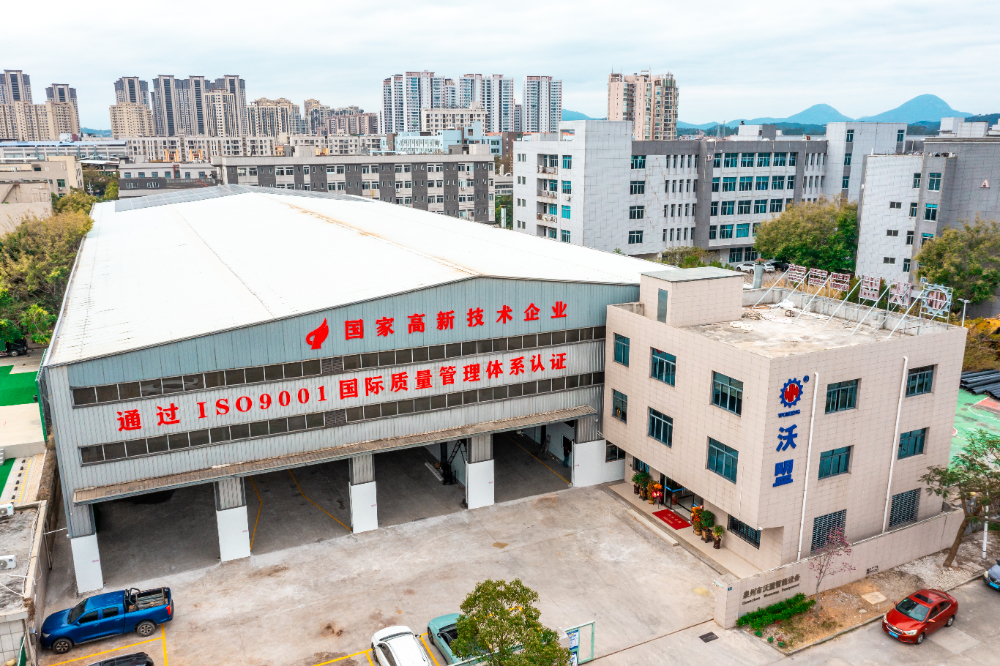

Servo Sanitary Napkin Production Line: Revolutionizing Feminine Hygiene Manufacturing
2026-03-13
In the ever-evolving landscape of feminine hygiene manufacturing, innovation is key to meeting the growing demands for quality, efficiency, and sustainability. Enter the Servo Sanitary Napkin Production Line—a groundbreaking technology that is redefining how these essential products are made. At Womeng, we’re proud to be at the forefront of this revolution, leveraging advanced servo systems to enhance precision, reduce waste, and deliver superior performance. This blog will explore how this cutting-edge production line is transforming the industry, empowering manufacturers to create safer, more reliable products while setting new standards in hygiene technology. Join us as we dive into the mechanics, benefits, and future implications of this game-changing approach, and discover why it’s becoming a cornerstone of modern manufacturing.
Innovative Robotic Integration in Feminine Care Manufacturing
The integration of advanced robotics into feminine care manufacturing is revolutionizing the industry by enhancing precision and efficiency in production lines. Robots equipped with sophisticated sensors and AI-driven systems now handle delicate tasks such as assembling sanitary pads and tampons with minimal waste, ensuring consistent quality while reducing human error. This shift not only streamlines operations but also allows for more customizable product designs, catering to diverse consumer needs and preferences.
By incorporating collaborative robots, or cobots, into the manufacturing process, companies are fostering safer work environments where humans and machines work side-by-side. These robots assist in packaging and quality control, adapting to real-time changes and optimizing supply chain logistics. This synergy boosts overall productivity, enabling faster time-to-market for new innovations in feminine care, from biodegradable materials to smart health-monitoring features integrated into products.
Looking ahead, the role of robotics in this sector is poised to expand further with advancements in machine learning and IoT connectivity. Future developments may include fully automated, smart factories that dynamically adjust production based on consumer data, ensuring personalized products at scale. Such innovations are set to redefine standards in hygiene and comfort, making feminine care manufacturing more responsive and sustainable in the global market.
Precision Engineering for Sustainable Hygiene Product Development
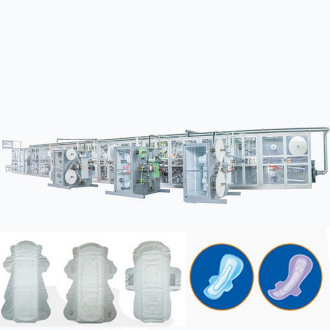
In recent years, the hygiene product industry has faced increasing demands for not only effectiveness but also sustainability, pushing engineers to rethink traditional approaches. Precision engineering plays a pivotal role here by enabling exact control over materials, manufacturing processes, and product design. For example, innovative biodegradable polymers are now being utilized to reduce waste, while advanced microfiber technologies are developed to enhance absorbency without compromising environmental goals. By leveraging computer-aided design and simulation tools, engineers can create products that meet stringent performance standards while minimizing resource consumption and emissions. These efforts are crucial for producing items that align with global sustainability targets, ensuring that hygiene products contribute positively to both personal and planetary health.
Another key aspect of precision engineering in this domain is the focus on lifecycle analysis and smart manufacturing. This involves designing hygiene products that are easier to recycle or compost, such as incorporating modular components that can be disassembled at end-of-life stages. Through techniques like 3D printing and laser cutting, manufacturers can achieve unprecedented levels of customization and efficiency, reducing material waste during production. Real-time monitoring systems in factories help optimize energy use and detect defects early, ensuring high-quality outputs that last longer. This holistic approach not only cuts costs but also fosters innovation in creating products that are durable, safe, and eco-friendly, resonating with consumers who prioritize sustainability in their purchasing decisions.
Ultimately, precision engineering drives advancements in sustainable hygiene product development by integrating data-driven insights and interdisciplinary collaboration. Researchers and engineers work together to refine formulas for non-toxic, hypoallergenic materials that break down naturally without harming ecosystems. Advanced sensor technologies are being embedded into products to monitor usage patterns and optimize performance, reducing overuse and waste. By focusing on precision at every stage—from raw material sourcing to end-user experience—companies can craft hygiene solutions that are not only effective but also regenerative, supporting a circular economy. This forward-thinking mindset is essential for addressing environmental challenges while maintaining the high standards expected in hygiene sectors.
Automated Quality Control Systems Ensuring Superior Product Standards
Automated quality control systems revolutionize manufacturing by integrating advanced technologies like machine vision and sensors to meticulously inspect products in real-time. These systems eliminate human error, ensuring each item meets stringent specifications and maintains consistency across high-volume production lines. By catching defects early, they minimize waste and rework, boosting operational efficiency and customer satisfaction. This proactive approach not only upholds superior standards but also adapts to dynamic industry demands, positioning businesses as leaders in reliability and innovation.
Beyond basic inspections, these systems leverage data analytics to predict potential quality issues before they arise, transforming oversight from reactive to strategic. For instance, in industries such as electronics or pharmaceuticals, where precision is critical, automated controls verify minute details like component alignment or chemical purity with unparalleled accuracy. This level of scrutiny instills consumer trust and reinforces brand reputation, as customers receive products that consistently exceed expectations without compromise.
Implementing such systems fosters a culture of continuous improvement, as real-time feedback loops enable rapid adjustments and refinements in production processes. By streamlining compliance with regulatory standards and reducing manual labor costs, companies achieve a competitive edge, delivering high-quality goods sustainably and efficiently. Ultimately, automated quality control is not just a tool but a cornerstone for excellence, driving long-term growth and market resilience.
Enhanced Production Efficiency Through Advanced Servo Technology
Advanced servo technology is revolutionizing production lines with its ability to deliver precision and speed unmatched by traditional systems. By integrating real-time feedback mechanisms, these servo systems adapt dynamically to changing conditions, reducing waste and downtime. For instance, in industries like automotive manufacturing, servo-driven robots execute complex assembly tasks with near-perfect repeatability, enhancing overall throughput.
Beyond simple automation, modern servo technology incorporates smart features such as predictive maintenance and energy optimization. This not only boosts efficiency but also lowers operational costs—a key advantage for competitive businesses. In sectors like packaging or electronics, where tight tolerances are critical, advanced servos ensure consistent quality while accelerating cycle times, proving essential for meeting high-demand schedules.
Ultimately, adopting advanced servo technology represents a strategic investment in future-proofing production. It enables scalable solutions that can evolve with technological advancements, fostering innovation across various industries. By streamlining processes and enhancing reliability, companies can achieve significant gains in productivity, positioning themselves at the forefront of industrial progress.
Customizable Manufacturing Solutions for Diverse Market Needs
We understand that no two businesses are exactly alike, which is why our customizable manufacturing solutions are designed to adapt to your specific requirements. Whether you're targeting niche markets or addressing broad consumer demands, we offer flexible production processes that can be tailored to meet varying volumes, materials, and design specifications. This approach ensures that your products not only align with market trends but also reflect your unique brand identity.
Our team works closely with clients to develop manufacturing strategies that evolve alongside shifting market dynamics. By incorporating modular design elements and scalable technologies, we empower you to respond quickly to new opportunities without compromising on quality or efficiency. This adaptability is key to staying competitive in today's fast-paced global economy, where customer preferences can change overnight.
From prototype development to full-scale production, we prioritize collaboration and innovation to deliver solutions that go beyond one-size-fits-all models. By leveraging advanced tools and a deep understanding of industry nuances, we help you navigate complexities and achieve a sustainable edge in diverse markets.
Future-Ready Design and Scalability in Sanitary Napkin Production
In today's fast-evolving hygiene market, developing sanitary napkins that not only meet current needs but also anticipate future trends requires a proactive approach to innovation. Forward-thinking manufacturers are moving beyond traditional designs to integrate advanced materials like biodegradable polymers and smart fabrics, which enhance comfort and functionality while reducing environmental impact. This shift toward adaptable frameworks allows for rapid adjustments in production lines, ensuring that new consumer preferences, such as increased sustainability or enhanced performance features, can be seamlessly incorporated without major disruptions. By focusing on modular designs and flexible manufacturing processes, companies can future-proof their products, staying ahead of regulatory changes and shifting market demands.
Scalability is a cornerstone of maintaining competitiveness in sanitary napkin production, enabling manufacturers to efficiently ramp up or down based on fluctuating demand. Leveraging technologies like automation and data analytics, producers can optimize resource use and minimize waste, ensuring consistent quality across varying production volumes. This adaptability not only supports growth into new markets but also allows for quick responses to regional preferences or seasonal spikes, such as during holiday periods or promotional campaigns. Moreover, investing in scalable infrastructure—from supply chain management to packaging solutions—helps reduce costs and enhance resilience, fostering long-term business sustainability without compromising on product integrity.
To truly stand out, integrating customer-centric designs with scalable production methods creates a unique value proposition that resonates with modern consumers. For instance, offering customizable options—such as varied absorbency levels or eco-friendly materials—can be efficiently managed through flexible assembly lines, enabling rapid prototyping and faster time-to-market. This synergy between design and scalability not only boosts brand loyalty by delivering tailored solutions but also drives innovation, encouraging ongoing research into next-generation products like those with health-monitoring capabilities. Ultimately, embracing a holistic strategy that balances future-ready design with robust scalability positions manufacturers to lead in a dynamic industry, delivering high-quality, relevant products that evolve with user needs over time.
FAQ
It integrates advanced servo technology for precise control and efficiency, reducing waste while enhancing product consistency compared to traditional lines.
With automated processes and high-speed servos, it can operate continuously at over 600 units per minute, significantly boosting productivity without compromising quality.
It utilizes energy-efficient servo motors and optimized material usage, cutting energy consumption by up to 30% and minimizing landfill waste from production scraps.
Yes, it features flexible modules that allow easy adjustments for various sizes, shapes, and absorbency levels, supporting diverse product lines.
Regular calibration of servo systems is needed for peak performance, but built-in diagnostics and user-friendly interfaces simplify troubleshooting, reducing downtime.
It ensures even material distribution and secure sealing, producing napkins with higher comfort, reliability, and adherence to hygiene standards for end-users.
Manufacturers in Asia and Europe are increasingly adopting it due to its cost-effectiveness and compliance with stringent environmental and quality regulations.
Operators need training in servo mechanics and digital controls, but many suppliers offer comprehensive programs to ensure smooth integration and skilled workforce development.
Conclusion
The Servo Sanitary Napkin Production Line represents a groundbreaking shift in feminine hygiene manufacturing, seamlessly integrating innovative robotic systems to enhance precision and efficiency. By leveraging advanced servo technology, this line automates critical processes, from material handling to assembly, ensuring consistent quality and reducing human error. This approach not only boosts production rates but also supports sustainable practices through optimized resource use and waste minimization. The result is a highly adaptable manufacturing solution that can be tailored to meet diverse market demands, offering customizable features without compromising on reliability or scalability.
Furthermore, the production line incorporates sophisticated automated quality control systems that rigorously monitor every stage, guaranteeing superior product standards and consumer safety. Its future-ready design allows for easy expansion and upgrades, keeping pace with evolving industry trends and technological advancements. By combining precision engineering with flexible, scalable solutions, this revolution in manufacturing not only elevates the overall quality of sanitary napkins but also sets a new benchmark for innovation in feminine care, promising long-term benefits for manufacturers and end-users alike.
Contact Us
Contact Person: Jessie Lai
Email: [email protected]
Tel/WhatsApp: 86-188594442931
Website: https://www.wm-machinery.com