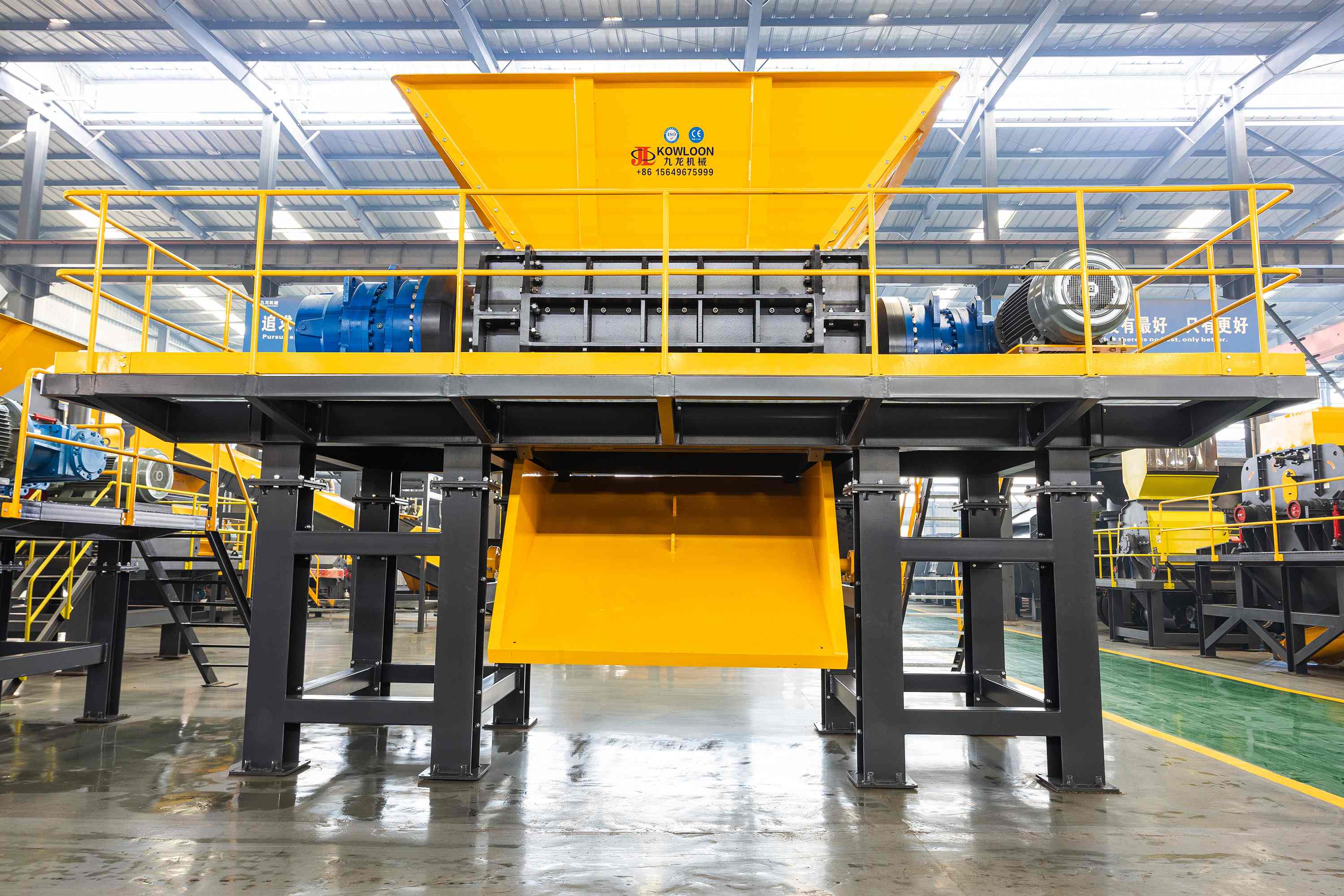

Tire Recycling Supplier: Sustainable Solutions for Eco-Friendly Disposal
2026-04-06
In our fast-paced world where waste management is becoming increasingly critical, the disposal of used tires poses a unique challenge that demands innovative solutions. As environmental consciousness grows, tire recycling has emerged as a vital practice, transforming discarded rubber into valuable resources while reducing landfill burdens. This blog explores the transformative power of sustainable tire recycling, offering insights into eco-friendly disposal methods that benefit both our planet and economy. Join us as we delve into the crucial role of tire recycling suppliers, with a special focus on the cutting-edge technologies and services provided by Kowloon Machinery, a leader in driving greener futures through practical, scalable recycling innovations.
Innovative Approaches to Repurpose End-of-Life Tires
Once discarded tires reach the end of their road life, they often pile up in landfills or stockpiles, posing significant environmental risks like fire hazards and leaching toxic chemicals. However, creative minds around the globe are transforming this waste into valuable resources, breathing new life into what was once considered trash. For instance, shredded tire rubber is being mixed with asphalt to create more durable and quiet road surfaces, while whole tires are repurposed into erosion control barriers or artificial reefs to support marine ecosystems. These applications not only reduce waste but also enhance infrastructure and environmental restoration efforts, showcasing how innovation can turn a problem into an opportunity.
Beyond traditional uses, end-of-life tires are finding their way into unexpected industries, pushing the boundaries of recycling. In architecture and design, tire-derived materials are crafted into stylish furniture, playground surfaces, and even building components, offering both aesthetic appeal and sustainability. Meanwhile, in the energy sector, pyrolysis technology breaks down tires into oil, gas, and carbon black, which can fuel industrial processes or be refined into new products. These cutting-edge methods highlight a shift toward a circular economy, where every part of a tire is harnessed, minimizing environmental impact and fostering economic growth through resource efficiency.
What sets these approaches apart is their adaptability and local relevance; communities worldwide are tailoring solutions to fit their specific needs, from using tire chips in construction to creating artistic installations that raise awareness. By blending technical innovation with practical applications, these initiatives demonstrate that repurposing tires isn't just about disposal—it's about reimagining waste as a cornerstone for sustainable development. As more people and industries adopt these creative strategies, the vision of a tire-free landfill becomes increasingly attainable, paving the way for a greener future.
Eco-Conscious Tire Recycling Methods for a Cleaner Planet
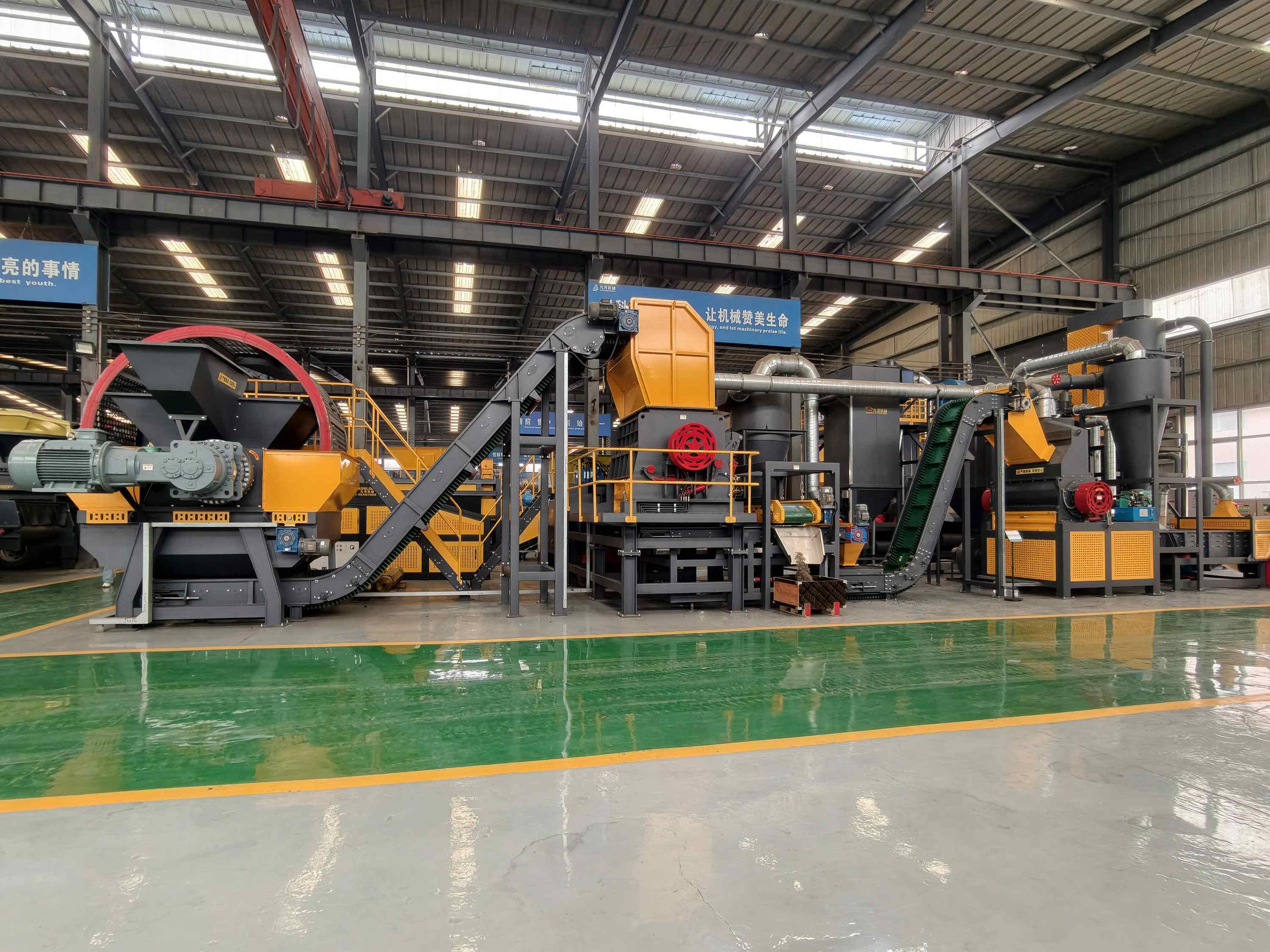
With millions of tires discarded annually worldwide, traditional disposal methods like landfilling or incineration pose significant environmental risks, from toxic emissions to resource waste. Eco-conscious recycling offers a sustainable alternative, transforming this abundant waste into valuable materials. Innovative processes such as cryogenic grinding, where tires are frozen and shattered, reduce energy consumption and produce fine rubber powders ideal for new products. These methods not only divert tires from landfills but also cut down on the need for virgin materials, fostering a circular economy that benefits our planet.
Another promising approach involves pyrolysis, which thermally breaks down tires in the absence of oxygen to yield oil, gas, and carbon black—all useful in industrial applications. This technique mitigates pollution by preventing harmful byproducts and supports clean energy initiatives. Additionally, shredding tires for use in civil engineering projects, like road foundations or erosion control, demonstrates how creative repurposing can enhance infrastructure while slashing waste. By adopting these eco-conscious methods, we move closer to a cleaner environment and a more resilient global ecosystem.
To scale these solutions effectively, public awareness and regulatory support are crucial. Encouraging tire manufacturers to design for recyclability and promoting community collection programs can streamline the recycling chain. As technology evolves, methods like devulcanization, which restores rubber properties for reuse, offer even greener prospects. Embracing these tire recycling innovations isn't just about waste management; it's a proactive step toward reducing our carbon footprint and safeguarding natural resources for future generations.
Transforming Old Tires into High-Value Sustainable Products
Discarded tires are often seen as nothing more than environmental hazards, but innovative approaches are turning them into valuable resources. By transforming them into high-value sustainable products, we can address both waste issues and material shortages, creating a circular economy model that benefits industries and ecosystems alike. This shift not only reduces landfill burden but also offers cost-effective alternatives to conventional materials, showcasing how creativity can turn a problem into an opportunity.
One standout example is the conversion of old tires into rubberized asphalt for road construction, which enhances durability while reducing noise pollution. Beyond this, shredded tire rubber finds new life in playground surfaces, athletic tracks, and even as a component in eco-friendly building materials like roofing tiles. These applications highlight how repurposing can lead to products that outperform traditional options, proving that sustainability doesn't have to compromise on quality or functionality.
Looking ahead, the trend is moving toward more specialized uses, such as extracting carbon black for industrial processes or developing advanced composites for automotive parts. By leveraging technologies like pyrolysis and mechanical recycling, we're unlocking potentials that go beyond simple reuse, fostering a greener economy. This evolution demonstrates that with ongoing innovation, old tires can become a cornerstone of sustainable product development, driving both environmental and economic gains.
Partnering with Responsible Suppliers for Green Tire Disposal
At the core of sustainable tire recycling lies the crucial partnership with responsible suppliers who share our commitment to environmental stewardship. We actively seek out suppliers who prioritize ethical sourcing and adhere to strict environmental regulations, ensuring that every tire collected for disposal is handled with care from the start. By collaborating with these trusted partners, we can trace the entire lifecycle of tires, from initial collection to final recycling, minimizing waste and maximizing resource recovery. This approach not only reduces landfill impact but also fosters a circular economy where old tires are transformed into valuable materials for new products.
Our green tire disposal initiatives thrive on transparent and accountable relationships with suppliers who go beyond basic compliance. These partners often implement innovative practices, such as using energy-efficient transportation for tire collection or investing in advanced sorting technologies to separate reusable components efficiently. Through regular audits and joint training sessions, we ensure that all parties involved stay aligned with the latest sustainability goals and best practices. This synergy enables us to tackle challenges like reducing carbon emissions during logistics and preventing illegal dumping, ultimately creating a more resilient and eco-friendly supply chain.
By forging strong alliances with responsible suppliers, we amplify the positive impact of green tire disposal on communities and the environment. Together, we explore creative solutions, such as repurposing shredded tires for playground surfaces or incorporating recycled rubber into construction materials, turning a common waste problem into an opportunity for innovation. These collaborations not only enhance our operational efficiency but also build public trust, as customers increasingly value companies that prioritize sustainability through every step of the process. In this way, partnering with the right suppliers becomes a driving force for long-term environmental progress and industry leadership.
Cutting-Edge Technologies in the Tire Recycling Industry
The tire recycling sector is undergoing a revolutionary transformation, fueled by innovative technologies that address environmental concerns and boost economic efficiency. Gone are the days when discarded tires were merely shredded or landfilled; today, advanced processes like pyrolysis and devulcanization are gaining traction. Pyrolysis, for instance, heats tires in an oxygen-free environment to break them down into valuable byproducts such as oil, carbon black, and steel, minimizing waste and creating new revenue streams. Meanwhile, devulcanization techniques are refining the ability to revert rubber polymers back to their original form, allowing for higher-quality reuse in new tire manufacturing without compromising performance. These advancements are not just technical feats—they're reshaping supply chains and supporting circular economy models.
Another standout innovation is the integration of AI and IoT systems into recycling operations, which optimizes sorting and processing to unprecedented levels. Smart sensors and machine learning algorithms can now rapidly identify tire types, contaminants, and material compositions, improving both speed and purity in recycling lines. This real-time data analysis helps reduce energy consumption and enhance output quality, making the process more sustainable and cost-effective. Additionally, 3D printing using recycled rubber composites is emerging, enabling custom production of products like playground surfaces or automotive parts with precise specifications. By leveraging these tech-driven approaches, the industry is moving beyond basic repurposing to create high-value, tailored solutions that meet modern demands for durability and eco-friendliness.
Looking ahead, the tire recycling field is poised for even greater breakthroughs with developments in nanotechnology and green chemistry. Researchers are exploring ways to embed nanoparticles into recycled rubber to enhance its properties, such as increasing tensile strength or resistance to wear, which could open up new applications in construction and aerospace. Simultaneously, greener chemical methods are being developed to replace traditional solvents and additives, reducing toxic emissions and making the recycling process safer for workers and the environment. These cutting-edge technologies collectively drive a shift from mere disposal to a sophisticated, resource-recovering industry, promising a future where tire waste is nearly eliminated through smart, scalable innovations.
Environmental Benefits of Choosing Recycled Tire Solutions
When you opt for recycled tire solutions, you're actively contributing to a healthier planet by reducing landfill waste that would otherwise take centuries to decompose. These innovative products help cut down on the extraction of raw materials, preserving natural resources and lowering energy consumption in manufacturing processes.
What sets recycled tire solutions apart is their ability to divert millions of tires from landfills each year, transforming what was once considered waste into durable, functional products like playground surfaces, rubber mulch, or road asphalt. This process not only decreases environmental pollution from tire piles but also creates a sustainable alternative that often outperforms traditional materials in terms of longevity and safety.
Beyond waste reduction, using recycled tires helps curb greenhouse gas emissions by minimizing the need for new tire production and disposal. This practical approach fosters a circular economy where materials are reused creatively, offering communities tangible environmental benefits while promoting eco-conscious choices.
FAQ
A tire recycling supplier specializes in collecting, processing, and repurposing used tires to prevent landfill waste, offering services like shredding, crumb rubber production, and material resale for various industrial applications.
Sustainable solutions reduce pollution by decreasing illegal dumping and landfill use, lower greenhouse gas emissions from burning tires, and conserve resources by creating new products from recycled materials like rubberized asphalt or playground surfaces.
Common methods include mechanical shredding to produce rubber crumbs for reuse, pyrolysis to convert tires into oil and carbon black, and devulcanization to restore rubber properties, all aimed at minimizing environmental impact.
A reliable supplier ensures compliance with environmental regulations, provides safe handling to avoid hazards like fires or toxic leaks, and offers efficient services that maximize recycling rates and support corporate sustainability goals.
Yes, recycled tires are often used in consumer goods such as rubber mulch for landscaping, athletic tracks, flooring tiles, and even fashion items like bags or accessories, promoting a circular economy.
Challenges include high processing costs, technological limitations in separating materials, market fluctuations for recycled products, and ensuring consistent quality while meeting strict environmental standards.
They can establish collection agreements for regular tire pickups, inquire about custom recycling programs, participate in take-back initiatives, or seek guidance on best practices to integrate recycling into their operations effectively.
Conclusion
The tire recycling industry is undergoing a transformative shift, moving beyond simple disposal to embrace innovative approaches that repurpose end-of-life tires into valuable resources. Suppliers are at the forefront of this change, leveraging cutting-edge technologies to create eco-conscious recycling methods. By transforming old tires into high-value sustainable products, these processes not only address waste but also contribute to a cleaner planet, offering practical solutions that mitigate environmental impact while fostering resource efficiency.
Partnering with responsible suppliers ensures green tire disposal, emphasizing the environmental benefits of recycled tire solutions. Such collaborations promote a circular economy, where materials are continuously reused rather than discarded. This holistic approach highlights how tire recycling suppliers provide sustainable, eco-friendly disposal methods that align with global sustainability goals, showcasing a commitment to innovation and environmental stewardship that sets them apart in the industry.
Contact Us
Contact Person: Ray
Email: [email protected]
Tel/WhatsApp: +86 13733817580
Website: https://www.zzkowloon.com/