

Top 10 Automatic Transfer Switch Suppliers: Leading Solutions for Reliable Power Backup
2025-12-24
In today's unpredictable world, reliable power backup solutions are more crucial than ever. Whether you're safeguarding a critical data center or ensuring uninterrupted operations at home, automatic transfer switches play a vital role in seamlessly switching to backup power during outages. This blog highlights the top 10 automatic transfer switch suppliers leading the industry with innovative and dependable technologies. As you explore these top contenders, consider how companies like SINGI are pushing boundaries to deliver exceptional reliability and performance. Read on to discover which suppliers can best meet your power backup needs and why staying ahead in this field is essential for any modern setup.
Innovating Reliability: Top Suppliers Redefining Power Backup Standards
Imagine a world where blackouts and voltage dips are relics of the past—today's leading power backup suppliers are making that vision a reality. These innovators aren't just selling batteries; they're crafting ecosystems that blend advanced lithium-ion technology with AI-driven monitoring systems. Companies like Tesla and Schneider Electric are pushing boundaries by integrating renewable energy sources into backup solutions, ensuring seamless transitions during outages without a hitch. This shift from reactive to proactive reliability is redefining how businesses and households think about power security, turning backup systems into smart, sustainable assets that learn and adapt over time.
What truly sets these top suppliers apart is their relentless focus on resilience in unpredictable climates. By leveraging real-time data analytics and predictive algorithms, they can forecast potential failures before they occur, minimizing downtime to mere seconds. For instance, in regions prone to extreme weather, suppliers are deploying modular, scalable units that can be quickly reconfigured to meet fluctuating demands. This approach not only enhances uptime but also reduces the environmental footprint, as these systems often feature recyclable materials and longer lifecycles. It's a game-changer for industries from healthcare to finance, where every second of power loss can translate to significant operational risks.
Beyond hardware, the revolution in power backup standards is fueled by a collaborative spirit among suppliers and customers. Through open-source platforms and user-centric design, companies are inviting feedback to tailor solutions that evolve with technological shifts. This dynamic interaction ensures that reliability isn't a static goal but a continuous journey of improvement. As these leaders challenge old norms, they're not just raising the bar—they're sketching a future where power backup is so intuitive, it fades into the background, yet stands unshakable when needed most, inspiring a new era of energy confidence across the globe.
Efficiency Unlocked: How Leading ATS Manufacturers Optimize Energy Flow
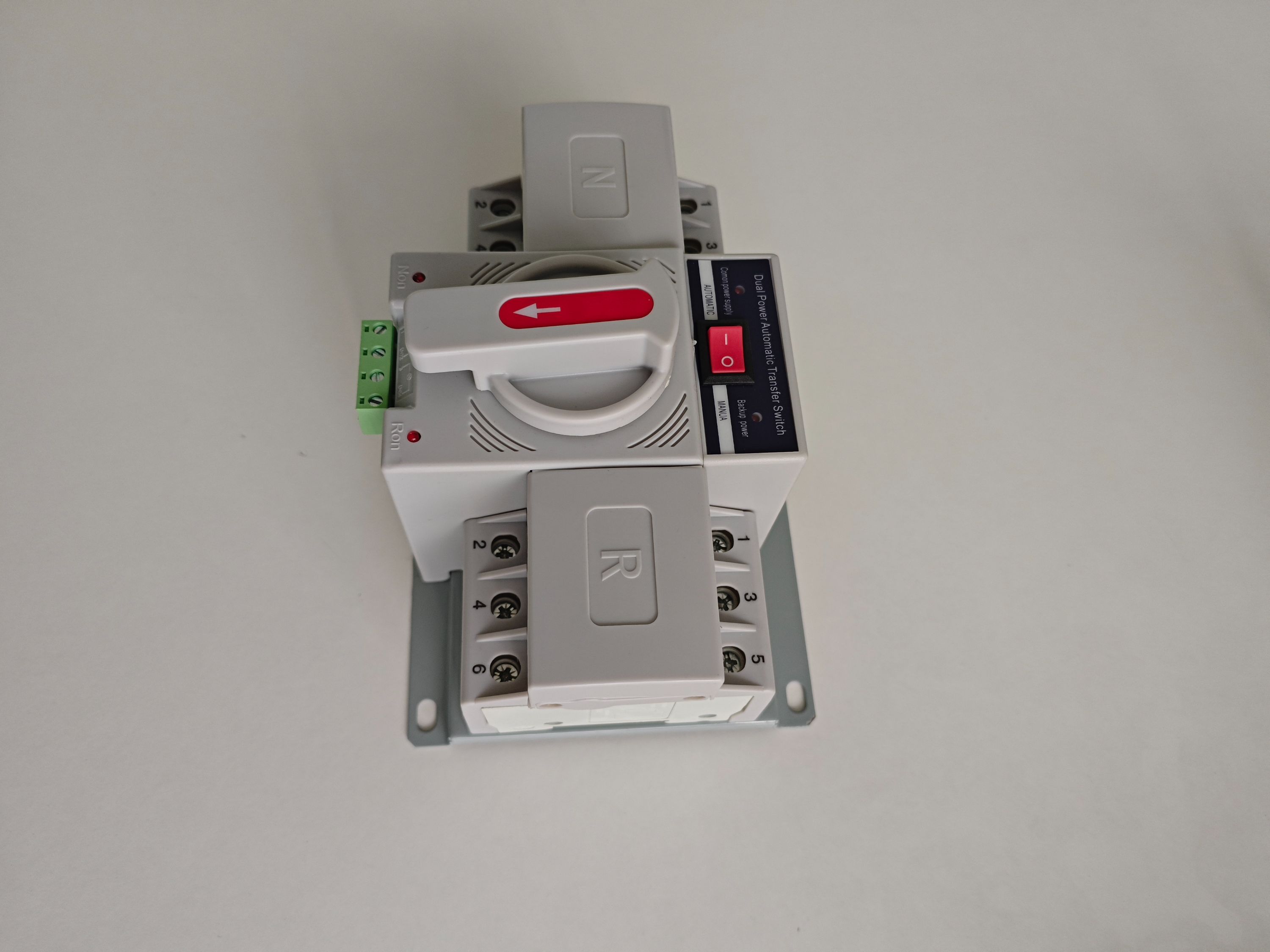
Ever wondered how top Automated Transfer Switch (ATS) makers squeeze every last drop of efficiency from their systems? It starts with a deep dive into energy flow optimization, a process that goes beyond simple switching. By integrating smart sensors and predictive algorithms, these manufacturers create ATS units that don't just react to power disruptions—they anticipate them. This proactive approach minimizes energy waste during transitions, ensuring seamless power handoffs that keep operations running smoothly without unnecessary spikes or drops.
What truly sets the industry leaders apart is their focus on customizing energy flow for specific applications. Whether it's a data center requiring ultra-low latency switches or a hospital needing flawless backup power, these manufacturers tailor their ATS designs to match unique load profiles. They employ advanced materials and compact circuit layouts to reduce internal resistance, cutting down on heat generation and energy loss. This attention to detail means their systems don't just work—they work smarter, adapting to real-time demands while maintaining peak efficiency.
In an era where sustainability is key, leading ATS manufacturers are pushing boundaries with eco-friendly innovations. They're incorporating features like regenerative braking for motor-driven switches, which recaptures energy during operation, and using AI-driven analytics to optimize power distribution over time. By continuously monitoring performance and tweaking parameters, these systems learn and improve, delivering long-term savings on energy bills. It's this blend of cutting-edge technology and practical design that makes their solutions not just efficient, but future-proof.
Smart Integration: Advanced Features Driving Modern Transfer Switch Solutions
In today's fast-paced industrial and commercial environments, smart integration has become a cornerstone of reliable power management systems. Modern transfer switches leverage advanced features like IoT connectivity and predictive analytics to optimize energy flow, minimizing downtime and enhancing operational efficiency. These systems can automatically detect grid failures, seamlessly switch to backup power sources, and provide real-time diagnostics through user-friendly interfaces.
What sets these solutions apart is their ability to integrate with broader building management systems, enabling centralized control and data-driven decision-making. Features such as remote monitoring via mobile apps, customizable alerts for maintenance needs, and adaptive load management ensure that businesses stay ahead of potential disruptions. By utilizing machine learning algorithms, these switches can learn usage patterns and proactively adjust settings to maximize energy savings and equipment longevity.
Moreover, the emphasis on cybersecurity and scalability ensures that modern transfer switch solutions are not only intelligent but also future-proof. They support modular designs that allow for easy upgrades and expansion, making them adaptable to evolving infrastructure demands. This holistic approach transforms traditional backup power into a dynamic asset, driving sustainability and resilience in critical applications.
Global Reach: Key Players Shaping the ATS Market Across Industries
In today's competitive hiring landscape, the Applicant Tracking System (ATS) market is no longer confined to a handful of dominant names; instead, it's a dynamic arena where innovative players from diverse industries are driving global expansion. Companies like Workday, Greenhouse, and Lever have established strong footholds by tailoring solutions to specific sectors such as technology and finance, while newer entrants like Ashby and Pinpoint are gaining traction with AI-driven features that appeal to fast-growing startups. This cross-industry influence means that ATS platforms are evolving beyond basic recruitment tools into integrated systems that support compliance, diversity initiatives, and data analytics, reflecting the unique needs of markets from North America to Asia-Pacific.
The globalization of the ATS market is fueled by key players who adapt their offerings to local regulations and cultural nuances. For instance, SAP SuccessFactors and Oracle Taleo leverage their extensive enterprise networks to serve multinational corporations, ensuring seamless hiring processes across borders, while regional specialists like Recruitee in Europe and SeekOut in the U.S. focus on niche markets with localized support and language capabilities. These players are not just selling software; they're shaping hiring strategies by incorporating machine learning for candidate matching and mobile-first designs that cater to remote work trends, thereby enhancing their reach in industries like healthcare, retail, and manufacturing where talent acquisition is increasingly digital.
As the ATS market grows globally, its trajectory is increasingly dictated by a blend of established giants and agile innovators who prioritize user experience and scalability. Platforms such as iCIMS and JazzHR are expanding their international presence by forming partnerships and integrating with other HR technologies, creating ecosystems that streamline recruitment from sourcing to onboarding. This cross-pollination of ideas across industries—from tech startups to traditional manufacturing—ensures that ATS solutions remain adaptable and forward-thinking, ultimately empowering organizations worldwide to attract top talent efficiently in an ever-connected economy.
Customer-Centric Designs: Tailored ATS Solutions for Diverse Backup Needs
In an era where data backup is no longer a one-size-fits-all affair, our approach prioritizes the unique challenges and goals of each client. By focusing on customer-centric designs, we craft ATS (Automated Transfer Switch) solutions that adapt seamlessly to varied environments—from small businesses with limited IT resources to large enterprises managing complex, multi-site operations. This tailored methodology ensures that every system not only meets current backup needs but also evolves alongside growing technological demands, providing peace of mind without unnecessary complexity.
Unlike generic alternatives, our solutions are built through in-depth consultations that uncover specific pain points, such as varying uptime requirements, budget constraints, or integration with existing infrastructure. We develop ATS configurations that precisely match these factors, offering scalable options that range from basic failover setups to advanced, redundant systems with real-time monitoring. This personalized touch means clients receive a backup strategy that feels custom-made, enhancing reliability and reducing downtime risks in ways off-the-shelf products cannot achieve.
Ultimately, this customer-focused philosophy empowers organizations to safeguard critical data with confidence, knowing their ATS solution is uniquely aligned with their operational landscape. By emphasizing flexibility and direct engagement, we ensure that diverse backup needs are met with innovation and precision, setting a new standard in responsive, effective disaster recovery planning.
Future-Proofing Power: Trends and Technologies in Automatic Transfer Switches
As reliance on continuous power grows across industries, automatic transfer switches (ATS) are evolving beyond basic backup functionality to incorporate advanced technologies that ensure long-term reliability and adaptability. Key trends include the integration of smart sensors and IoT connectivity, enabling real-time monitoring and predictive maintenance. These innovations allow ATS systems to detect potential failures before they occur, reducing downtime and enhancing operational resilience in critical applications like data centers and healthcare facilities.
Another significant trend is the adoption of modular and scalable designs, which facilitate easy upgrades as power needs change. This approach supports the integration of renewable energy sources, such as solar or wind, into backup systems, aligning with sustainability goals. By offering flexibility and future-proofing against technological shifts, modern ATS solutions help organizations prepare for emerging challenges, like grid instability or increased electrification demands.
Additionally, advancements in software and automation are driving more intelligent power management. Features like load shedding, priority-based switching, and remote configuration enable optimized energy use and faster response during outages. These technologies not only improve efficiency but also ensure that ATS systems remain relevant in a dynamic landscape, where adaptability is crucial for maintaining uninterrupted power in an increasingly digital world.
FAQ
Automatic transfer switches (ATS) continuously monitor power sources and seamlessly switch to backup within milliseconds when primary power fails, preventing downtime and protecting sensitive equipment. They also integrate with generators to ensure a smooth, hands-free transition during outages.
Top suppliers enhance reliability by using high-quality components like solid-state switching and robust enclosures rated for harsh environments. They conduct rigorous testing, including endurance cycles and surge protection, and often offer extended warranties to demonstrate confidence in their products' longevity.
Yes, many leading suppliers provide customizable options, such as programmable logic controllers (PLCs), multiple voltage ratings, and communication protocols for remote monitoring. This allows tailoring to industries like healthcare, data centers, or manufacturing, where unique power needs exist.
Look for suppliers that comply with international standards like UL 1008, IEC 60947-6-1, and NEC codes. Certifications from bodies such as CSA or CE indicate adherence to safety and performance benchmarks, ensuring safe operation and reducing liability risks.
Extreme conditions can impact electrical components and switching speed. Leading suppliers design ATS units with corrosion-resistant materials, sealed enclosures (e.g., NEMA ratings), and thermal management systems to operate reliably in diverse climates, from tropical heat to cold industrial settings.
Advanced ATS models support integration with smart grids and renewables like solar or wind by incorporating microgrid controls and bidirectional power flow capabilities. This enables optimized energy use, load shedding, and seamless transitions between conventional and green power sources.
Top suppliers often provide comprehensive support, including 24/7 technical assistance, on-site installation guidance, regular maintenance checks, and spare parts availability. Some offer training programs and online portals for troubleshooting, helping customers maximize uptime and system lifespan.
Conclusion
The top 10 automatic transfer switch (ATS) suppliers are redefining power backup standards through relentless innovation, as highlighted in the 'Innovating Reliability' section. These leaders not only ensure seamless transitions between power sources but also optimize energy flow with advanced efficiency features, directly addressing the needs discussed under 'Efficiency Unlocked'. By integrating smart technologies and advanced functionalities, they drive modern solutions that enhance reliability across various applications, from residential to industrial settings. This commitment to cutting-edge design positions them at the forefront of the ATS market, setting benchmarks for performance and durability in an increasingly power-dependent world.
With a global reach that spans diverse industries, key players in the ATS sector are shaping the market by offering customer-centric designs tailored to specific backup requirements, as emphasized in 'Global Reach' and 'Customer-Centric Designs'. These suppliers provide customized solutions that cater to unique operational needs, ensuring flexibility and scalability. Looking ahead, the industry is focused on future-proofing power through emerging trends and technologies, such as IoT connectivity and predictive maintenance, which promise to enhance automation and minimize downtime. By staying ahead of technological curves and prioritizing user needs, these top suppliers deliver leading solutions that guarantee reliable power backup, reinforcing their role as indispensable partners in maintaining uninterrupted energy supply worldwide.
Contact Us
Contact Person: Jack
Email: [email protected]
Tel/WhatsApp: (+86) 13757759651
Website: https://www.singi.com