

Top Chinese Static Var Generator Companies: 10 Best Cabinet-Type SVGs for Power Quality
2025-12-20
In today's rapidly evolving industrial landscape, power quality is no longer a luxury but a necessity. As businesses and manufacturers strive for efficiency and reliability, static var generators (SVGs) have emerged as crucial solutions for stabilizing electrical systems and mitigating power disturbances. Among the innovative technologies shaping this field, cabinet-type SVGs stand out for their compact design and robust performance, making them ideal for diverse applications from data centers to manufacturing plants. This blog explores the top Chinese companies leading the way in this dynamic sector, focusing on the 10 best cabinet-type SVGs that excel in delivering superior power quality. Whether you're an engineer, facility manager, or industry enthusiast, understanding these options can help optimize your operations and reduce downtime. At the forefront of this innovation is GEYA, a brand renowned for its cutting-edge electrical solutions. By integrating advanced SVG technology with user-friendly designs, GEYA empowers industries to achieve seamless power management and enhanced sustainability. As we delve into this analysis, you'll discover how these companies, including GEYA's contributions, are setting new benchmarks in the global market. Get ready to uncover insights that could transform your approach to power quality—let's dive in!
Leading Chinese Manufacturers of Static Var Generators (SVGs)
In recent years, China's electrical industry has seen a surge in innovation, particularly in the realm of reactive power compensation, with static var generators (SVGs) leading the charge. Chinese manufacturers have rapidly advanced their technologies, offering solutions that are not only cost-effective but also increasingly reliable and efficient. Companies like NR Electric, XJ Electric, and Sifang Automation have established themselves as key players, catering to diverse sectors such as renewable energy integration, industrial plants, and smart grid development. These firms leverage extensive R&D investments and domestic manufacturing capabilities to produce SVGs that meet international standards, often customizing products for specific applications like wind farms or heavy industry.
What sets some Chinese SVG manufacturers apart is their focus on integrating advanced features like artificial intelligence and real-time monitoring into their systems. For instance, firms such as TBEA and Rongxin Power emphasize user-friendly interfaces and remote management options, making maintenance and operation more seamless for clients worldwide. This approach has enabled them to compete effectively in global markets, where demand for stable power quality and grid support is growing. By prioritizing flexibility and scalability, these manufacturers help customers adapt to evolving energy needs, from reducing harmonics in industrial settings to stabilizing voltage fluctuations in solar installations.
Beyond technical prowess, Chinese SVG producers often build strong partnerships with local and international stakeholders, ensuring robust supply chains and after-sales support. Their commitment to sustainability and energy efficiency resonates with global trends, leading to increased adoption in projects across Asia, Africa, and beyond. As the world shifts toward greener energy systems, these manufacturers are poised to play a pivotal role in enhancing grid reliability and enabling the transition to a more resilient power infrastructure.
Key Features of Cabinet-Type SVGs for Enhanced Power Quality
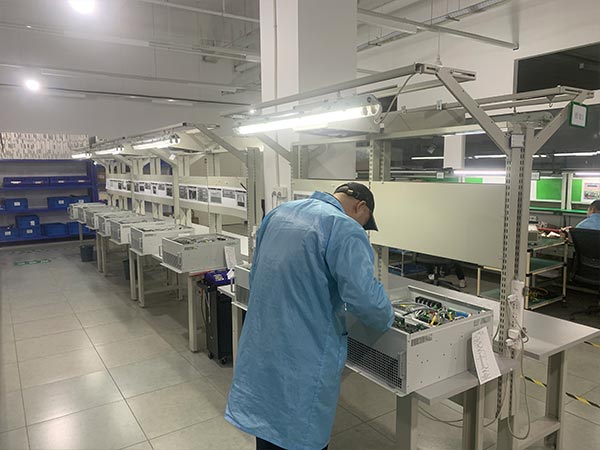
Cabinet-type Static Var Generators (SVGs) significantly enhance power quality by offering swift reactive power compensation. Unlike traditional solutions, these compact units can dynamically adjust to fluctuating load conditions, mitigating voltage sags and harmonics in real time. Their modular design allows for seamless integration into existing power systems, ensuring minimal downtime during installation and maintenance. With advanced control algorithms, cabinet-type SVGs maintain grid stability even under severe disturbances, making them ideal for industrial and commercial applications where consistent voltage levels are crucial.
A standout advantage of cabinet-type SVGs is their ability to deliver precise power factor correction, which translates to reduced energy losses and lower operational costs. By actively filtering out harmonics and balancing three-phase loads, these devices prevent equipment overheating and extend the lifespan of sensitive machinery. Their user-friendly interfaces facilitate easy monitoring and adjustments, empowering operators to optimize performance without extensive technical expertise. This proactive approach not only safeguards electrical infrastructure but also contributes to a more sustainable energy footprint through improved efficiency.
Furthermore, the robust construction of cabinet-type SVGs ensures reliable operation in harsh environments, featuring enhanced cooling systems and protection against electrical surges. Their scalability allows for tailored solutions, whether for small facilities or large-scale grid reinforcements, adapting to evolving power demands. By seamlessly integrating with smart grid technologies, these systems provide real-time data analytics for predictive maintenance, minimizing unexpected failures. Ultimately, cabinet-type SVGs represent a forward-thinking investment in power quality, delivering tangible benefits in reliability, cost savings, and environmental stewardship.
Top 10 Companies and Their Innovations in SVG Technology
In the world of digital graphics, SVG technology has quietly transformed how we interact with visual content on the web, thanks to a handful of pioneering firms. Companies like Adobe have consistently pushed the boundaries through tools such as Illustrator, which seamlessly integrates SVG creation with advanced features like responsive design and animation support. Meanwhile, Inkscape, though open-source, has democratized access by offering robust, free alternatives that cater to both hobbyists and professionals, fostering a community-driven innovation ecosystem where precision meets accessibility.
Beyond software giants, firms like Mapbox have leveraged SVG to revolutionize mapping services, enabling dynamic, interactive maps that scale flawlessly across devices without sacrificing detail. Similarly, GitHub has embedded SVG in its platform for visualizing code repositories and data, enhancing user experience through crisp, scalable diagrams. These applications highlight how SVG's vector-based nature allows for high-quality graphics that adapt in real-time, a feature that companies are increasingly exploiting to create more engaging digital environments.
On the cutting edge, startups like Figma have disrupted traditional design workflows by using SVG as the backbone for collaborative interface design, enabling teams to work simultaneously on scalable assets. At the same time, tech leaders such as Google have integrated SVG into projects like Chrome and Android, optimizing performance for web and mobile interfaces. This trend underscores a broader shift towards lightweight, scalable graphics that prioritize user experience, with these top innovators leading the charge in making SVG technology more versatile and integral to modern digital design.
Applications of SVGs in Modern Power Systems and Grid Stability
SVGs (Static Var Generators) have revolutionized grid stability by dynamically adjusting reactive power in real-time, enabling power systems to handle modern challenges like renewable integration. Unlike traditional compensators that rely on mechanical components, SVGs use power electronics to rapidly respond to voltage fluctuations, often within milliseconds. This means grids can now better absorb intermittent solar and wind energy without risking voltage collapse, making them essential for transitioning to cleaner energy sources while maintaining reliability.
In urban centers with dense electrical loads, SVGs help prevent blackouts by smoothing out voltage sags and swells that stem from sudden industrial demands or electric vehicle charging spikes. By injecting or absorbing reactive power precisely where needed, these devices enhance power quality for sensitive equipment in hospitals and data centers. Their compact design also allows for easy installation in constrained spaces, offering a practical solution to aging infrastructure without extensive grid overhauls.
Looking ahead, advanced SVGs are being integrated with smart grid technologies, using real-time data from sensors and IoT devices to predict and mitigate stability issues before they escalate. This proactive approach reduces downtime and operational costs, positioning SVGs as a cornerstone for future-proofing power systems against increasing electrification and climate variability.
Comparison of Performance Metrics Among Chinese SVG Providers
When evaluating Chinese SVG providers, performance metrics often reveal significant variations in reliability and speed, which can impact user experience in web and mobile applications. Key factors like load times and rendering efficiency differ widely, with some providers excelling in handling complex graphics while others focus on lightweight solutions for faster delivery. The choice of provider can drastically affect how smoothly animations and interactive elements perform, making it crucial to assess these metrics based on specific project needs rather than broad generalizations.
Beyond basic speed tests, deeper metrics such as scalability and compatibility with modern frameworks highlight the strengths and weaknesses of different providers. For instance, certain services might offer superior integration with popular development tools, ensuring seamless workflow for teams working on large-scale projects. This attention to detail can set apart providers that prioritize developer experience, offering more than just raw performance numbers but also tools that enhance productivity and reduce friction in the design-to-implementation process.
Moreover, unique aspects like support for dynamic content updates and real-time data visualization are where some Chinese SVG providers truly shine, offering features that go beyond standard offerings. These capabilities allow for more responsive and engaging user interfaces, which can be a game-changer for applications requiring frequent updates or interactive dashboards. By focusing on these advanced performance indicators, businesses can select a provider that not only meets current demands but also adapts to future trends, ensuring a more robust and flexible solution for their graphical needs.
Future Trends in Static Var Generator Development and Market Growth
The evolution of static var generators is set to accelerate, driven by the increasing integration of renewable energy sources like solar and wind into global grids. As these intermittent sources become more prevalent, the demand for precise and rapid reactive power compensation will surge, pushing developers to create SVGs that offer higher efficiency and robustness in fluctuating conditions. Expect to see innovations in semiconductor technology and control algorithms, enabling devices that can handle higher voltages and more complex grid interactions seamlessly. This shift not only enhances grid stability but also reduces operational costs for utilities, making SVGs indispensable for modern power systems.
Market growth for static var generators is poised to expand significantly, particularly in regions with ambitious clean energy targets, such as North America and Asia-Pacific. Factors like aging infrastructure upgrades and stricter grid codes are fueling this expansion, with projections indicating a compound annual growth rate exceeding 10% over the next decade. Unlike other reactive power solutions, SVGs are gaining traction due to their modularity and scalability, allowing for customized installations in diverse settings from industrial plants to urban substations. This versatility opens up new revenue streams for manufacturers and installers, fostering a competitive landscape that prioritizes innovation and reliability.
Looking ahead, the synergy between static var generators and digitalization trends, such as smart grids and IoT integration, will redefine their role in power management. Advanced monitoring and predictive analytics will enable real-time optimization, reducing downtime and extending equipment lifespan. As the global push for decarbonization intensifies, SVGs are emerging as key enablers for efficient energy distribution, with potential applications in emerging sectors like electric vehicle charging stations. This dynamic interplay between technological advancement and market demand ensures that SVG development remains a vibrant field, shaping the future of resilient electrical networks.
FAQ
Cabinet-type SVGs are crucial for stabilizing voltage and reducing harmonic distortion in electrical systems, ensuring reliable power supply for industrial and commercial applications with minimal footprint.
Companies like Sifang Electric and NR Electric stand out due to their advanced technology, robust after-sales support, and ability to customize solutions for diverse grid challenges.
Unlike traditional devices, cabinet-type SVGs offer faster response times, higher efficiency, and modular designs that allow for easy scalability and integration into existing infrastructure.
Key features include high power density, low total harmonic distortion (THD), user-friendly interfaces, and certifications such as IEC standards for safety and performance.
Yes, by improving power factor and minimizing losses, they can lead to lower electricity bills and enhanced equipment lifespan, making them a cost-effective investment for factories.
Emerging trends include AI-driven predictive maintenance, integration with renewable energy systems, and smarter control algorithms for dynamic grid management.
Top manufacturers use rigorous testing for temperature resistance, humidity control, and dust protection, along with durable materials to withstand industrial conditions.
They are particularly effective in data centers, hospitals, and renewable energy plants where stable, high-quality power is critical for continuous operations and safety.
Conclusion
In the dynamic landscape of power quality management, Chinese companies have emerged as frontrunners in static var generator (SVG) technology, with a focus on cabinet-type designs that enhance grid stability. Leading manufacturers like those featured in the top 10 list are driving innovations that address modern power system challenges, from industrial applications to large-scale utility integration. By integrating key features such as high efficiency, compact form factors, and real-time monitoring, these SVGs enable precise reactive power compensation, mitigating voltage fluctuations and harmonics. The comparison of performance metrics highlights the competitive edge of Chinese providers in areas like response time, reliability, and cost-effectiveness, positioning them strongly in both domestic and international markets.
Looking ahead, future trends in SVG development point toward advancements in digitalization, modular designs, and integration with renewable energy systems, which are expected to fuel market growth and grid resilience. As applications expand to support smart grids, electric vehicle charging infrastructure, and distributed energy resources, Chinese companies continue to push boundaries with cutting-edge technologies. This holistic approach not only improves power quality but also contributes to sustainable energy solutions, ensuring that cabinet-type SVGs remain pivotal in maintaining stable and efficient power networks globally. The synergy between innovation, application diversity, and performance excellence underscores why these top Chinese firms are shaping the future of power electronics.
Contact Us
Contact Person: Leo
Email: [email protected]
Tel/WhatsApp: +86-13567770207
Website: https://www.geyapower.com/
