

Top Photovoltaic Carport Brands in China for Reliable Solar Parking
2026-09-29
As solar parking becomes a practical way to cut energy costs and add shade, Chinese manufacturers are stepping up with carport designs that actually last. Among the names worth knowing, Topfencesolar stands out for its focus on durable photovoltaic structures, but it's far from alone. Here's a look at the brands delivering reliable solar parking solutions across China—and what sets each one apart.
China's Solar Carport Boom: More Than Just Shade
Walk through a typical Chinese office park these days and the humble parking lot has quietly transformed. Row after row of steel frames now rise above the asphalt, each one topped with photovoltaic panels that track the sun. It's easy to dismiss these solar carports as just another shade structure, but that would miss the larger story. Across cities like Shenzhen, Hangzhou, and Ningbo, developers are treating the carport as a legitimate power plant—one that happens to keep your EV cool while it charges.
The real shift isn't just about generating electricity; it's about rethinking where energy gets made. Instead of reserving solar for rooftops or distant deserts, Chinese companies are squeezing kilowatt-hours out of spaces that were previously dead weight. A carport in a dense urban district can feed office buildings during peak afternoon demand, store surplus in batteries for evening charging, and still leave room for rain collection channels along the edges. In some coastal projects, the structures double as windbreaks during typhoon season—a practical detail you won't find in glossy brochures.
What makes this boom genuinely interesting is the collaboration behind it. EV makers, property developers, and local grid operators now sit in the same room, sketching carport layouts as part of standard site planning rather than as an afterthought. That integration is producing quiet innovations: modular mounting systems that cut installation time by a third, and payment models where parking fees actually decrease when the carport feeds excess power back to the community. The shade, it turns out, is just the beginning.
How Reliable Brands Approach Structural Engineering
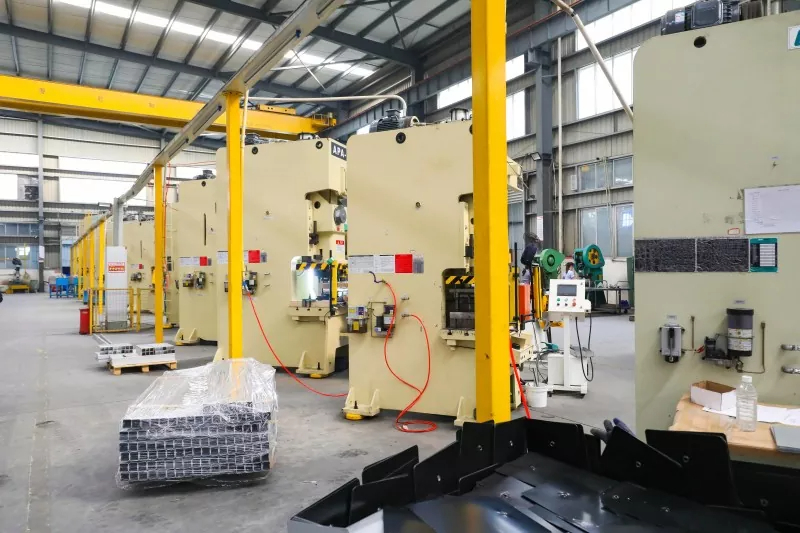
Reliable brands treat structural engineering not as a cost center but as the quiet backbone of their product identity. They start with load paths that are intentionally simple, so that every connection and material choice can be verified by independent eyes. Instead of chasing exotic geometries, they favor redundancy and serviceability—details that make failures predictable and repairs straightforward.
Another hallmark is the willingness to test beyond code minimums. These companies build full-scale mock-ups and subject them to cyclic loading, thermal swings, and even deliberate misuse. The data feeds back into design revisions before a single unit ships, ensuring that the structure behaves consistently across batches and climates.
Finally, reliable brands document their structural assumptions openly. They maintain revision-controlled drawings, material certifications, and field inspection logs that engineers can audit years later. This transparency turns structural engineering from a hidden risk into a long-term asset, earning trust from regulators, contractors, and end users alike.
Panel Choices That Survive Typhoons and Snow Loads
When you're building in regions where typhoons rip through every summer and snow piles up past your knees in winter, the panel you pick isn't just about looks—it's about whether your roof stays put. Fiberglass-reinforced plastic panels, for instance, have gained a quiet reputation among coastal builders because they flex under sudden wind gusts instead of cracking, and they shrug off the cyclic weight of melting and refreezing snow. You won't find them in every big-box store, but local suppliers in storm-prone areas often stock thicker gauges specifically for this reason.
Galvanized steel with a high tensile rating is another workhorse. The trick isn't just the metal itself—it's the profile. Deep corrugations or standing seams channel wind upward and shed snow before it accumulates into a crushing layer. A lot of people overlook the fastening system, too. Panels that survive a hundred-year typhoon aren't just nailed down; they're screwed with neoprene washers into purlins spaced closer than standard, sometimes every two feet instead of four. That detail makes the difference between a roof that leaks after one bad season and one that stays bone dry for a decade.
Then there are the hybrid options—aluminum-zinc coated sheets or polycarbonate multiwall panels. The polycarbonate traps air layers that insulate against snow load while staying light enough not to overstress the frame during high winds. It's not the cheapest route, but for coastal homes where you can't afford a re-roof every few years, the upfront cost evens out. Whatever you choose, check the local building code amendments for wind uplift ratings and snow load pounds per square foot. If a panel isn't tested to at least 150 mph gusts, skip it—typhoons don't read the brochure.
EV Charging Integration: Avoiding Common Compatibility Headaches
Rolling out an EV charging network often turns into a game of mix-and-match where the pieces refuse to click. You bring in a charger from one vendor, pair it with a backend from another, and suddenly the handshake fails over a minor tweak in the OCPP version or a rogue whitespace in a data field. The headache isn't the hardware itself; it's the quiet assumption that everyone speaks the same dialect. When you dig into real deployments, you find the most common snags come from unspoken differences in firmware update scheduling, offline transaction buffering, or how a station reports a stuck cable. Skimming over these details during procurement guarantees late-night debugging sessions.
One way to sidestep the worst of it is to stop treating compatibility as a boolean check. A charger might pass a basic plug-and-charge test but still throw errors when a session is interrupted mid-way or when a user swipes a card that isn't in the local whitelist. Build a test matrix that mimics actual driver behavior, not just the happy path. Include scenarios like power dips mid-charge, two vehicles arriving within seconds of each other, and a network dropout that lasts longer than the station's retry window. The goal is to surface the weird edge cases before they become visible to customers.
Finally, keep a log of every integration choice you make, down to the exact firmware build and the timeout values you adjusted. When a new charger model ships with a slightly different interpretation of the standard, that log becomes your map back to sanity. Don't rely on a vendor's marketing claim of full compliance; ask for a reference site that already runs the same combination you're planning. If none exists, treat the first month as a live trial with extra monitoring, not a finished rollout.
What a Proper Site Assessment Reveals Before Installation
Before any equipment touches the ground, a proper site assessment digs into the details that often go unnoticed. It reveals the true soil condition, not just from a report but from actual test pits and probe readings. Hidden obstacles like old foundations, buried utilities, or unexpected rock layers come to light, which can drastically change anchoring plans and load distribution.
The assessment also exposes how the site behaves under different weather patterns. Standing water after rain, wind tunnel effects between nearby structures, or excessive sun exposure on certain walls all become measurable factors. These findings influence everything from drainage design to material selection, ensuring the installation doesn't just fit today but performs reliably through seasonal shifts.
Perhaps most importantly, the assessment uncovers access limitations that drawings might miss. Narrow gates, overhead clearance issues, or weight restrictions on the only access road can alter delivery methods and even the final equipment size. Knowing these constraints beforehand prevents costly mid-installation adjustments and keeps the project timeline realistic.
Maintenance Truths: What Owners Wish They Knew Sooner
The first truth stings: maintenance is not an occasional expense you can postpone. It is a quiet subscription that starts the moment you take the keys. The oil change is cheap, but the ignored seep from a valve cover gasket can turn into a scored camshaft and a rebuilt engine. Most owners budget for the purchase price, not the calendar of wear items that begins ticking immediately.
Fluids, filters, and belts all have lifespans, and none of them send a polite reminder. Waiting for a dashboard warning light is like waiting for a toothache to announce a cavity. Brake fluid absorbs moisture and loses its bite, coolant turns acidic and eats at the head gasket, and timing belts can snap without a single warning rattle. Owners who follow the mileage and time intervals in the manual—not the dealer’s upsell list—routinely avoid four-figure failures.
Another truth: not every repair shop has your best interest at heart, and not every do-it-yourself job saves money. Dealer service is convenient but often marked up heavily; independent shops need to be vetted through word of mouth and online reviews that mention specific engine work, not just oil changes. Learning to check tire pressure, oil level, and unusual sounds takes ten minutes and can stop a small leak from becoming a roadside breakdown. And keep every receipt—future buyers pay more for a car with a traceable maintenance history, because they are buying your discipline, not just your vehicle.
FAQ
Several names stand out. Trina Solar, JinkoSolar, and LONGi Green Energy are known for high-efficiency modules integrated into carport structures. For mounting and structural systems, Antaisolar, Mibet Energy, and Kseng Solar have built strong reputations through utility-scale and commercial projects across Asia and Europe.
Reliability usually comes down to structural engineering and long-term performance. Look for brands that offer wind and snow load certifications, corrosion-resistant coatings, and module compatibility with Tier 1 panels. Companies like Grace Solar and Sunforson emphasize pre-assembled components and testing under extreme weather, which reduces on-site failure risk.
Modular designs from brands such as Mibet Energy or Kseng Solar can cut installation time by up to 40% and simplify future expansion. Custom steel structures make sense for irregular parking layouts or heavy snow regions, but require more engineering input. If your site has standard parking dimensions, a modular system usually delivers better cost predictability.
Yes, many have export-focused engineering teams and comply with international standards like UL, TÜV, and ISO 9001. For example, Antaisolar has completed carport projects in Japan and the Middle East, while Grace Solar has delivered installations in Australia and Southeast Asia. Check for local certification support and warranty terms before committing.
Warranties vary by component. The PV modules typically carry 25-year performance warranties from manufacturers like JinkoSolar or Trina Solar. The mounting structure may have a 10-15 year warranty against corrosion and mechanical defects. Some brands, such as Mibet Energy, also offer 5-year workmanship coverage on pre-assembled parts.
Absolutely. Most top Chinese suppliers design carports with integrated cable trays and space for EV chargers. Sungrow and Growatt provide compatible inverter and charging solutions that pair well with these structures. This can turn a parking area into a self-contained energy hub without additional land use.
Foundations depend on soil conditions and local wind loads. Brands like Antaisolar and Kseng provide pre-cast concrete ballast options or ground screw foundations to avoid heavy excavation. On-site assembly often needs a small crane or forklift and a team of 4-6 workers. Expect 2-3 days for a 10-car modular carport after foundation curing.
Request case studies with photos and energy yield data from similar climate zones. Ask about the number of completed carport projects and whether the brand has in-house structural engineers. Third-party reviews from installers and utilities can also reveal how well the system holds up after five or more years.
Conclusion
China's solar carport market has shifted from simple shade structures to energy-producing assets, driven by the need for reliable parking and clean power. The most dependable suppliers distinguish themselves through structural engineering that accounts for local wind and snow loads, not just generic designs. Their mounting systems and panel choices are tested against typhoon conditions and heavy accumulation, ensuring decades of service. This emphasis on resilience is a key reason project developers stick with a handful of proven names.
Equally important is how these brands handle EV charging integration. Rather than treating chargers as afterthoughts, they design electrical pathways and load management from day one, preventing compatibility issues that plague retrofits. A thorough site assessment before installation reveals drainage patterns, soil conditions, and shading from nearby buildings—details that affect both energy yield and structural safety. Owners also learn that maintenance is more than panel cleaning: torque checks, inverter firmware updates, and drainage clearance are routine. Companies that provide clear maintenance schedules and local support networks save owners from expensive surprises. Together, these factors explain why a small group of Chinese manufacturers has earned a reputation for reliable solar parking, not just cheap steel and panels.
Contact Us
Contact Person: Nancy
Email: [email protected]
Tel/WhatsApp: +86-13365923720
Website: https://www.topfencesolar.com/
