

Unveiling the Premier Drill Rod Source: Mastering the Perfect Drill Rod Supplier for Your Construction Needs and Industry Applications
2025-12-22
In the demanding world of construction and industrial applications, the quality of your drill rods can make or break a project. Yet, finding a supplier that consistently delivers precision, durability, and reliability is no small feat. Enter PULANKA – the premier source that redefines excellence in drill rod manufacturing. Here, we delve into what sets the perfect drill rod supplier apart and how PULANKA’s innovative solutions are tailored to meet the unique challenges of your industry. Whether you're tackling tough terrains or pushing the boundaries of engineering, discover why choosing the right partner matters more than ever. Get ready to unlock insights that will transform your approach and elevate your projects to new heights.
Identifying the Best Drill Rod Suppliers: How to Choose the Right Partner for Your Construction Projects
Choosing the right drill rod supplier isn't just about finding someone who sells hardware—it's about securing a partner who understands the grit and grind of construction sites. When your project timeline is tight and margins are slim, the last thing you need is a supplier who treats rods like disposable commodities. Look for companies that get their hands dirty, literally. Suppliers with on-site experience or close ties to construction crews often offer insights beyond the catalog, helping you select rods that withstand specific soil conditions or heavy-duty cycles.
Don't get blinded by shiny price tags alone. The true cost of a drill rod hides in its durability and how it plays with your equipment. A cheaper rod that snaps after a few uses can derail a project faster than a downpour. Instead, dig into material specs—like alloy grades and heat treatments—and ask suppliers about failure rates or warranty stories. Some top-tier suppliers even provide custom-engineered solutions, tweaking rod designs to match your rig's quirks, which can slash downtime and boost efficiency in ways standard options never could.
Finally, vet suppliers like you would a crew foreman. Check their track record with projects similar to yours, and probe their logistics chops. Can they deliver overnight when a rod breaks at 3 PM? Do they offer technical support beyond business hours? A reliable partner acts as an extension of your team, anticipating needs before they become emergencies. In this industry, the best suppliers aren't just vendors; they're the silent backbone keeping your builds on schedule and within budget.
Maximizing Drill Rod Performance: Key Factors for Durability in Industrial Applications
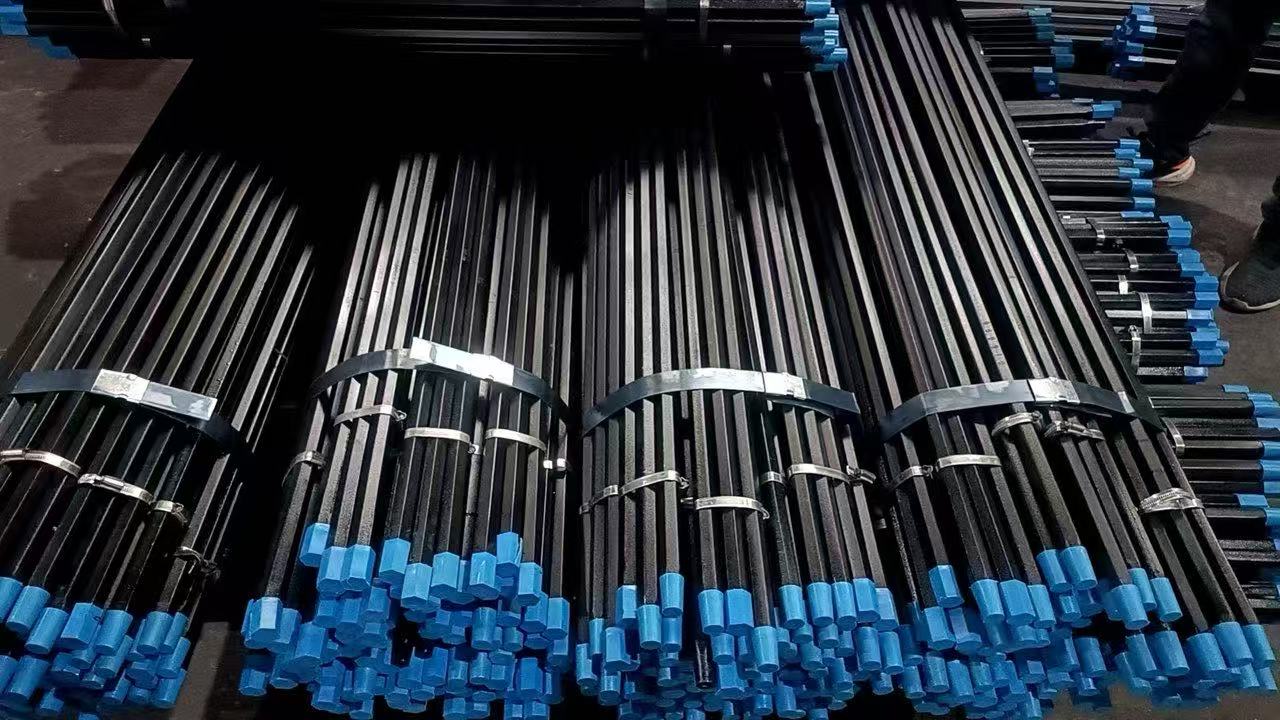
Choosing the right drill rod supplier isn't just about finding someone who sells hardware—it's about securing a partner who understands the grit and grind of construction sites. When your project timeline is tight and margins are slim, the last thing you need is a supplier who treats rods like disposable commodities. Look for companies that get their hands dirty, literally. Suppliers with on-site experience or close ties to construction crews often offer insights beyond the catalog, helping you select rods that withstand specific soil conditions or heavy-duty cycles.
Don't get blinded by shiny price tags alone. The true cost of a drill rod hides in its durability and how it plays with your equipment. A cheaper rod that snaps after a few uses can derail a project faster than a downpour. Instead, dig into material specs—like alloy grades and heat treatments—and ask suppliers about failure rates or warranty stories. Some top-tier suppliers even provide custom-engineered solutions, tweaking rod designs to match your rig's quirks, which can slash downtime and boost efficiency in ways standard options never could.
Finally, vet suppliers like you would a crew foreman. Check their track record with projects similar to yours, and probe their logistics chops. Can they deliver overnight when a rod breaks at 3 PM? Do they offer technical support beyond business hours? A reliable partner acts as an extension of your team, anticipating needs before they become emergencies. In this industry, the best suppliers aren't just vendors; they're the silent backbone keeping your builds on schedule and within budget.
Drill rods are the backbone of modern industrial operations, from mining to construction, where their durability directly impacts project efficiency and cost-effectiveness. To maximize performance, focus on material selection, such as high-strength steel alloys that resist wear and corrosion under extreme conditions. Proper heat treatment processes can further enhance toughness, reducing the risk of fractures during heavy-duty drilling. Regular maintenance, including inspections for cracks and proper lubrication, also plays a crucial role in extending service life and minimizing downtime.
In industrial applications, environmental factors significantly influence drill rod longevity. For instance, abrasive soils or high-temperature zones demand rods with specialized coatings or carbide tips to withstand harsh conditions. Balancing penetration speed with operational pressure is another key consideration; pushing rods too hard can lead to premature failure, while underutilization may reduce productivity. By investing in quality control and operator training, industries can optimize usage patterns, ensuring that drill rods deliver consistent performance over extended periods without frequent replacements.
Innovation in design and manufacturing techniques is shaping the future of drill rod durability. Advances like tapered threading for better load distribution and computer-aided simulations to predict stress points help create more resilient rods tailored to specific applications. Collaborations between engineers and field experts lead to customized solutions that address unique challenges, such as vibration dampening in seismic areas or enhanced flexibility in directional drilling. Ultimately, maximizing drill rod performance requires a holistic approach that integrates material science, operational best practices, and ongoing technological developments to achieve superior durability in demanding industrial environments.
Navigating Drill Rod Varieties: Selecting the Ideal Option for Your Specific Construction Needs
Choosing the right drill rod supplier isn't just about finding someone who sells hardware—it's about securing a partner who understands the grit and grind of construction sites. When your project timeline is tight and margins are slim, the last thing you need is a supplier who treats rods like disposable commodities. Look for companies that get their hands dirty, literally. Suppliers with on-site experience or close ties to construction crews often offer insights beyond the catalog, helping you select rods that withstand specific soil conditions or heavy-duty cycles.
Don't get blinded by shiny price tags alone. The true cost of a drill rod hides in its durability and how it plays with your equipment. A cheaper rod that snaps after a few uses can derail a project faster than a downpour. Instead, dig into material specs—like alloy grades and heat treatments—and ask suppliers about failure rates or warranty stories. Some top-tier suppliers even provide custom-engineered solutions, tweaking rod designs to match your rig's quirks, which can slash downtime and boost efficiency in ways standard options never could.
Finally, vet suppliers like you would a crew foreman. Check their track record with projects similar to yours, and probe their logistics chops. Can they deliver overnight when a rod breaks at 3 PM? Do they offer technical support beyond business hours? A reliable partner acts as an extension of your team, anticipating needs before they become emergencies. In this industry, the best suppliers aren't just vendors; they're the silent backbone keeping your builds on schedule and within budget.
Drill rods are the backbone of modern industrial operations, from mining to construction, where their durability directly impacts project efficiency and cost-effectiveness. To maximize performance, focus on material selection, such as high-strength steel alloys that resist wear and corrosion under extreme conditions. Proper heat treatment processes can further enhance toughness, reducing the risk of fractures during heavy-duty drilling. Regular maintenance, including inspections for cracks and proper lubrication, also plays a crucial role in extending service life and minimizing downtime.
In industrial applications, environmental factors significantly influence drill rod longevity. For instance, abrasive soils or high-temperature zones demand rods with specialized coatings or carbide tips to withstand harsh conditions. Balancing penetration speed with operational pressure is another key consideration; pushing rods too hard can lead to premature failure, while underutilization may reduce productivity. By investing in quality control and operator training, industries can optimize usage patterns, ensuring that drill rods deliver consistent performance over extended periods without frequent replacements.
Innovation in design and manufacturing techniques is shaping the future of drill rod durability. Advances like tapered threading for better load distribution and computer-aided simulations to predict stress points help create more resilient rods tailored to specific applications. Collaborations between engineers and field experts lead to customized solutions that address unique challenges, such as vibration dampening in seismic areas or enhanced flexibility in directional drilling. Ultimately, maximizing drill rod performance requires a holistic approach that integrates material science, operational best practices, and ongoing technological developments to achieve superior durability in demanding industrial environments.
When it comes to construction projects, selecting the right drill rod isn't just about grabbing the closest option from the shelf—it's a strategic decision that can make or break your project's efficiency and cost-effectiveness. Different varieties are tailored for specific applications, such as rock drilling in quarries or anchoring in soft soil, and understanding these nuances is key to avoiding costly delays or equipment damage. By considering factors like material composition, durability, and compatibility with drilling rigs, you can pinpoint the optimal choice that aligns with your site conditions and project timeline.
Anyone who's been on a construction site knows that not all drill rods are created equal; the subtle differences in design, such as thread type and rod length, can dramatically impact performance in various terrains. For instance, choosing a carbide-tipped rod might seem like a no-brainer for tough rock formations, but if your project involves frequent setup changes, a versatile quick-thread option could save precious time and labor costs. It's these practical insights that set apart successful contractors who tailor their equipment choices to avoid one-size-fits-all pitfalls.
To truly navigate the maze of drill rod options, start by consulting with experienced drillers or suppliers who can provide real-world feedback on performance in similar projects. They might share anecdotes about how a particular alloy rod excelled in wet conditions while another failed prematurely, helping you avoid common mistakes. Embrace this collaborative approach to ensure your selection not only meets technical specifications but also enhances overall project safety and longevity, giving you a competitive edge in a demanding industry.
Ensuring Quality and Reliability: What to Look for in a Premier Drill Rod Source
Choosing the right drill rod supplier isn't just about finding someone who sells hardware—it's about securing a partner who understands the grit and grind of construction sites. When your project timeline is tight and margins are slim, the last thing you need is a supplier who treats rods like disposable commodities. Look for companies that get their hands dirty, literally. Suppliers with on-site experience or close ties to construction crews often offer insights beyond the catalog, helping you select rods that withstand specific soil conditions or heavy-duty cycles.
Don't get blinded by shiny price tags alone. The true cost of a drill rod hides in its durability and how it plays with your equipment. A cheaper rod that snaps after a few uses can derail a project faster than a downpour. Instead, dig into material specs—like alloy grades and heat treatments—and ask suppliers about failure rates or warranty stories. Some top-tier suppliers even provide custom-engineered solutions, tweaking rod designs to match your rig's quirks, which can slash downtime and boost efficiency in ways standard options never could.
Finally, vet suppliers like you would a crew foreman. Check their track record with projects similar to yours, and probe their logistics chops. Can they deliver overnight when a rod breaks at 3 PM? Do they offer technical support beyond business hours? A reliable partner acts as an extension of your team, anticipating needs before they become emergencies. In this industry, the best suppliers aren't just vendors; they're the silent backbone keeping your builds on schedule and within budget.
Drill rods are the backbone of modern industrial operations, from mining to construction, where their durability directly impacts project efficiency and cost-effectiveness. To maximize performance, focus on material selection, such as high-strength steel alloys that resist wear and corrosion under extreme conditions. Proper heat treatment processes can further enhance toughness, reducing the risk of fractures during heavy-duty drilling. Regular maintenance, including inspections for cracks and proper lubrication, also plays a crucial role in extending service life and minimizing downtime.
In industrial applications, environmental factors significantly influence drill rod longevity. For instance, abrasive soils or high-temperature zones demand rods with specialized coatings or carbide tips to withstand harsh conditions. Balancing penetration speed with operational pressure is another key consideration; pushing rods too hard can lead to premature failure, while underutilization may reduce productivity. By investing in quality control and operator training, industries can optimize usage patterns, ensuring that drill rods deliver consistent performance over extended periods without frequent replacements.
Innovation in design and manufacturing techniques is shaping the future of drill rod durability. Advances like tapered threading for better load distribution and computer-aided simulations to predict stress points help create more resilient rods tailored to specific applications. Collaborations between engineers and field experts lead to customized solutions that address unique challenges, such as vibration dampening in seismic areas or enhanced flexibility in directional drilling. Ultimately, maximizing drill rod performance requires a holistic approach that integrates material science, operational best practices, and ongoing technological developments to achieve superior durability in demanding industrial environments.
When it comes to construction projects, selecting the right drill rod isn't just about grabbing the closest option from the shelf—it's a strategic decision that can make or break your project's efficiency and cost-effectiveness. Different varieties are tailored for specific applications, such as rock drilling in quarries or anchoring in soft soil, and understanding these nuances is key to avoiding costly delays or equipment damage. By considering factors like material composition, durability, and compatibility with drilling rigs, you can pinpoint the optimal choice that aligns with your site conditions and project timeline.
Anyone who's been on a construction site knows that not all drill rods are created equal; the subtle differences in design, such as thread type and rod length, can dramatically impact performance in various terrains. For instance, choosing a carbide-tipped rod might seem like a no-brainer for tough rock formations, but if your project involves frequent setup changes, a versatile quick-thread option could save precious time and labor costs. It's these practical insights that set apart successful contractors who tailor their equipment choices to avoid one-size-fits-all pitfalls.
To truly navigate the maze of drill rod options, start by consulting with experienced drillers or suppliers who can provide real-world feedback on performance in similar projects. They might share anecdotes about how a particular alloy rod excelled in wet conditions while another failed prematurely, helping you avoid common mistakes. Embrace this collaborative approach to ensure your selection not only meets technical specifications but also enhances overall project safety and longevity, giving you a competitive edge in a demanding industry.
When sourcing drill rods, quality and reliability aren't just buzzwords; they're the backbone of any successful drilling operation. A premier source will typically offer rods crafted from high-grade materials like alloy steels, ensuring they can withstand the rigors of tough geological conditions. Look for suppliers that prioritize rigorous testing, including hardness checks and fatigue resistance assessments, which help prevent premature failures that could derail your project timeline and inflate costs unexpectedly.
Beyond mere specifications, a top-tier provider often stands out through their commitment to precision engineering and stringent quality control. This includes certifications such as ISO 9001, which signal adherence to international standards, and a transparent supply chain that traces materials back to reputable mills. Additionally, consider how the source handles customization—whether they can tailor rods to specific diameters, lengths, or thread types based on your drilling needs, offering flexibility that generic suppliers might lack.
Reliability extends beyond the product itself to encompass service and support. A premier source will likely provide comprehensive documentation, including detailed technical datasheets and installation guidelines, along with responsive customer assistance for troubleshooting. Evaluating their track record through client testimonials or case studies can reveal how consistently they deliver on promises, helping you avoid pitfalls like inconsistent performance or delayed shipments that could compromise your project's integrity.
Boosting Efficiency in Construction: Seamless Integration of Drill Rods into Your Operations
Choosing the right drill rod supplier isn't just about finding someone who sells hardware—it's about securing a partner who understands the grit and grind of construction sites. When your project timeline is tight and margins are slim, the last thing you need is a supplier who treats rods like disposable commodities. Look for companies that get their hands dirty, literally. Suppliers with on-site experience or close ties to construction crews often offer insights beyond the catalog, helping you select rods that withstand specific soil conditions or heavy-duty cycles.
Don't get blinded by shiny price tags alone. The true cost of a drill rod hides in its durability and how it plays with your equipment. A cheaper rod that snaps after a few uses can derail a project faster than a downpour. Instead, dig into material specs—like alloy grades and heat treatments—and ask suppliers about failure rates or warranty stories. Some top-tier suppliers even provide custom-engineered solutions, tweaking rod designs to match your rig's quirks, which can slash downtime and boost efficiency in ways standard options never could.
Finally, vet suppliers like you would a crew foreman. Check their track record with projects similar to yours, and probe their logistics chops. Can they deliver overnight when a rod breaks at 3 PM? Do they offer technical support beyond business hours? A reliable partner acts as an extension of your team, anticipating needs before they become emergencies. In this industry, the best suppliers aren't just vendors; they're the silent backbone keeping your builds on schedule and within budget.
Drill rods are the backbone of modern industrial operations, from mining to construction, where their durability directly impacts project efficiency and cost-effectiveness. To maximize performance, focus on material selection, such as high-strength steel alloys that resist wear and corrosion under extreme conditions. Proper heat treatment processes can further enhance toughness, reducing the risk of fractures during heavy-duty drilling. Regular maintenance, including inspections for cracks and proper lubrication, also plays a crucial role in extending service life and minimizing downtime.
In industrial applications, environmental factors significantly influence drill rod longevity. For instance, abrasive soils or high-temperature zones demand rods with specialized coatings or carbide tips to withstand harsh conditions. Balancing penetration speed with operational pressure is another key consideration; pushing rods too hard can lead to premature failure, while underutilization may reduce productivity. By investing in quality control and operator training, industries can optimize usage patterns, ensuring that drill rods deliver consistent performance over extended periods without frequent replacements.
Innovation in design and manufacturing techniques is shaping the future of drill rod durability. Advances like tapered threading for better load distribution and computer-aided simulations to predict stress points help create more resilient rods tailored to specific applications. Collaborations between engineers and field experts lead to customized solutions that address unique challenges, such as vibration dampening in seismic areas or enhanced flexibility in directional drilling. Ultimately, maximizing drill rod performance requires a holistic approach that integrates material science, operational best practices, and ongoing technological developments to achieve superior durability in demanding industrial environments.
When it comes to construction projects, selecting the right drill rod isn't just about grabbing the closest option from the shelf—it's a strategic decision that can make or break your project's efficiency and cost-effectiveness. Different varieties are tailored for specific applications, such as rock drilling in quarries or anchoring in soft soil, and understanding these nuances is key to avoiding costly delays or equipment damage. By considering factors like material composition, durability, and compatibility with drilling rigs, you can pinpoint the optimal choice that aligns with your site conditions and project timeline.
Anyone who's been on a construction site knows that not all drill rods are created equal; the subtle differences in design, such as thread type and rod length, can dramatically impact performance in various terrains. For instance, choosing a carbide-tipped rod might seem like a no-brainer for tough rock formations, but if your project involves frequent setup changes, a versatile quick-thread option could save precious time and labor costs. It's these practical insights that set apart successful contractors who tailor their equipment choices to avoid one-size-fits-all pitfalls.
To truly navigate the maze of drill rod options, start by consulting with experienced drillers or suppliers who can provide real-world feedback on performance in similar projects. They might share anecdotes about how a particular alloy rod excelled in wet conditions while another failed prematurely, helping you avoid common mistakes. Embrace this collaborative approach to ensure your selection not only meets technical specifications but also enhances overall project safety and longevity, giving you a competitive edge in a demanding industry.
When sourcing drill rods, quality and reliability aren't just buzzwords; they're the backbone of any successful drilling operation. A premier source will typically offer rods crafted from high-grade materials like alloy steels, ensuring they can withstand the rigors of tough geological conditions. Look for suppliers that prioritize rigorous testing, including hardness checks and fatigue resistance assessments, which help prevent premature failures that could derail your project timeline and inflate costs unexpectedly.
Beyond mere specifications, a top-tier provider often stands out through their commitment to precision engineering and stringent quality control. This includes certifications such as ISO 9001, which signal adherence to international standards, and a transparent supply chain that traces materials back to reputable mills. Additionally, consider how the source handles customization—whether they can tailor rods to specific diameters, lengths, or thread types based on your drilling needs, offering flexibility that generic suppliers might lack.
Reliability extends beyond the product itself to encompass service and support. A premier source will likely provide comprehensive documentation, including detailed technical datasheets and installation guidelines, along with responsive customer assistance for troubleshooting. Evaluating their track record through client testimonials or case studies can reveal how consistently they deliver on promises, helping you avoid pitfalls like inconsistent performance or delayed shipments that could compromise your project's integrity.
Integrating drill rods effectively into your construction workflow can significantly boost operational efficiency, but it's not just about having the right equipment—it's about optimizing how you use it. Many projects face delays due to mismatched rod types or poor coordination between drilling phases, leading to wasted time and increased costs. By streamlining the selection process and ensuring rods are compatible with both the ground conditions and machinery, teams can reduce downtime and enhance productivity. For instance, using high-quality, corrosion-resistant rods in challenging terrains can prevent frequent replacements and keep operations running smoothly. This proactive approach minimizes disruptions and helps maintain a steady pace on site.
A seamless integration strategy involves more than technical specs; it requires thorough training and clear communication among crew members. Workers should be well-versed in handling different rod lengths and diameters, as well as understanding when to switch between them based on soil analysis. Implementing regular maintenance checks and storing rods properly can extend their lifespan, avoiding unexpected breakdowns. Additionally, leveraging digital tools like project management software to track rod usage and inventory ensures that materials are always available when needed, preventing last-minute scrambles. This holistic method not only speeds up drilling tasks but also fosters a safer, more organized work environment.
To truly stand out, consider customizing your drill rod integration with innovative practices tailored to your specific projects. For example, adopting modular rod systems that allow for quick assembly and disassembly can cut setup times dramatically, giving you an edge over competitors who rely on traditional methods. Emphasizing sustainability by choosing recyclable materials or optimizing rod reuse can also reduce environmental impact and appeal to eco-conscious clients. By continuously evaluating and refining your approach, you can transform drill rods from mere tools into key drivers of efficiency, ultimately delivering projects faster and with higher quality results. This commitment to excellence sets your operations apart in a crowded industry.
Beyond the Basics: Advanced Insights for Optimal Drill Rod Use in Modern Industry
Choosing the right drill rod supplier isn't just about finding someone who sells hardware—it's about securing a partner who understands the grit and grind of construction sites. When your project timeline is tight and margins are slim, the last thing you need is a supplier who treats rods like disposable commodities. Look for companies that get their hands dirty, literally. Suppliers with on-site experience or close ties to construction crews often offer insights beyond the catalog, helping you select rods that withstand specific soil conditions or heavy-duty cycles.
Don't get blinded by shiny price tags alone. The true cost of a drill rod hides in its durability and how it plays with your equipment. A cheaper rod that snaps after a few uses can derail a project faster than a downpour. Instead, dig into material specs—like alloy grades and heat treatments—and ask suppliers about failure rates or warranty stories. Some top-tier suppliers even provide custom-engineered solutions, tweaking rod designs to match your rig's quirks, which can slash downtime and boost efficiency in ways standard options never could.
Finally, vet suppliers like you would a crew foreman. Check their track record with projects similar to yours, and probe their logistics chops. Can they deliver overnight when a rod breaks at 3 PM? Do they offer technical support beyond business hours? A reliable partner acts as an extension of your team, anticipating needs before they become emergencies. In this industry, the best suppliers aren't just vendors; they're the silent backbone keeping your builds on schedule and within budget.
Drill rods are the backbone of modern industrial operations, from mining to construction, where their durability directly impacts project efficiency and cost-effectiveness. To maximize performance, focus on material selection, such as high-strength steel alloys that resist wear and corrosion under extreme conditions. Proper heat treatment processes can further enhance toughness, reducing the risk of fractures during heavy-duty drilling. Regular maintenance, including inspections for cracks and proper lubrication, also plays a crucial role in extending service life and minimizing downtime.
In industrial applications, environmental factors significantly influence drill rod longevity. For instance, abrasive soils or high-temperature zones demand rods with specialized coatings or carbide tips to withstand harsh conditions. Balancing penetration speed with operational pressure is another key consideration; pushing rods too hard can lead to premature failure, while underutilization may reduce productivity. By investing in quality control and operator training, industries can optimize usage patterns, ensuring that drill rods deliver consistent performance over extended periods without frequent replacements.
Innovation in design and manufacturing techniques is shaping the future of drill rod durability. Advances like tapered threading for better load distribution and computer-aided simulations to predict stress points help create more resilient rods tailored to specific applications. Collaborations between engineers and field experts lead to customized solutions that address unique challenges, such as vibration dampening in seismic areas or enhanced flexibility in directional drilling. Ultimately, maximizing drill rod performance requires a holistic approach that integrates material science, operational best practices, and ongoing technological developments to achieve superior durability in demanding industrial environments.
When it comes to construction projects, selecting the right drill rod isn't just about grabbing the closest option from the shelf—it's a strategic decision that can make or break your project's efficiency and cost-effectiveness. Different varieties are tailored for specific applications, such as rock drilling in quarries or anchoring in soft soil, and understanding these nuances is key to avoiding costly delays or equipment damage. By considering factors like material composition, durability, and compatibility with drilling rigs, you can pinpoint the optimal choice that aligns with your site conditions and project timeline.
Anyone who's been on a construction site knows that not all drill rods are created equal; the subtle differences in design, such as thread type and rod length, can dramatically impact performance in various terrains. For instance, choosing a carbide-tipped rod might seem like a no-brainer for tough rock formations, but if your project involves frequent setup changes, a versatile quick-thread option could save precious time and labor costs. It's these practical insights that set apart successful contractors who tailor their equipment choices to avoid one-size-fits-all pitfalls.
To truly navigate the maze of drill rod options, start by consulting with experienced drillers or suppliers who can provide real-world feedback on performance in similar projects. They might share anecdotes about how a particular alloy rod excelled in wet conditions while another failed prematurely, helping you avoid common mistakes. Embrace this collaborative approach to ensure your selection not only meets technical specifications but also enhances overall project safety and longevity, giving you a competitive edge in a demanding industry.
When sourcing drill rods, quality and reliability aren't just buzzwords; they're the backbone of any successful drilling operation. A premier source will typically offer rods crafted from high-grade materials like alloy steels, ensuring they can withstand the rigors of tough geological conditions. Look for suppliers that prioritize rigorous testing, including hardness checks and fatigue resistance assessments, which help prevent premature failures that could derail your project timeline and inflate costs unexpectedly.
Beyond mere specifications, a top-tier provider often stands out through their commitment to precision engineering and stringent quality control. This includes certifications such as ISO 9001, which signal adherence to international standards, and a transparent supply chain that traces materials back to reputable mills. Additionally, consider how the source handles customization—whether they can tailor rods to specific diameters, lengths, or thread types based on your drilling needs, offering flexibility that generic suppliers might lack.
Reliability extends beyond the product itself to encompass service and support. A premier source will likely provide comprehensive documentation, including detailed technical datasheets and installation guidelines, along with responsive customer assistance for troubleshooting. Evaluating their track record through client testimonials or case studies can reveal how consistently they deliver on promises, helping you avoid pitfalls like inconsistent performance or delayed shipments that could compromise your project's integrity.
Integrating drill rods effectively into your construction workflow can significantly boost operational efficiency, but it's not just about having the right equipment—it's about optimizing how you use it. Many projects face delays due to mismatched rod types or poor coordination between drilling phases, leading to wasted time and increased costs. By streamlining the selection process and ensuring rods are compatible with both the ground conditions and machinery, teams can reduce downtime and enhance productivity. For instance, using high-quality, corrosion-resistant rods in challenging terrains can prevent frequent replacements and keep operations running smoothly. This proactive approach minimizes disruptions and helps maintain a steady pace on site.
A seamless integration strategy involves more than technical specs; it requires thorough training and clear communication among crew members. Workers should be well-versed in handling different rod lengths and diameters, as well as understanding when to switch between them based on soil analysis. Implementing regular maintenance checks and storing rods properly can extend their lifespan, avoiding unexpected breakdowns. Additionally, leveraging digital tools like project management software to track rod usage and inventory ensures that materials are always available when needed, preventing last-minute scrambles. This holistic method not only speeds up drilling tasks but also fosters a safer, more organized work environment.
To truly stand out, consider customizing your drill rod integration with innovative practices tailored to your specific projects. For example, adopting modular rod systems that allow for quick assembly and disassembly can cut setup times dramatically, giving you an edge over competitors who rely on traditional methods. Emphasizing sustainability by choosing recyclable materials or optimizing rod reuse can also reduce environmental impact and appeal to eco-conscious clients. By continuously evaluating and refining your approach, you can transform drill rods from mere tools into key drivers of efficiency, ultimately delivering projects faster and with higher quality results. This commitment to excellence sets your operations apart in a crowded industry.
To truly optimize drill rod performance in today's fast-paced industrial settings, it's crucial to delve beyond standard specifications and consider factors like material fatigue resistance and thermal management. For instance, in high-temperature drilling operations, selecting rods with advanced alloys can significantly reduce wear and extend tool life, leading to fewer downtimes and cost savings. This nuanced approach requires a deep understanding of operational conditions and material science, empowering technicians to make data-driven decisions that enhance efficiency.
Another key insight involves leveraging real-time monitoring technologies to track drill rod vibrations and stress levels during use. By integrating sensors and IoT systems, industries can predict failures before they occur, allowing for proactive maintenance and preventing costly equipment damage. This proactive strategy not only maximizes productivity but also fosters a safer work environment by minimizing the risk of unexpected rod failures during critical operations.
Furthermore, optimizing drill rod use often demands customization based on specific geological profiles or project requirements. Tailoring rod configurations, such as adjusting diameters or thread designs, can improve penetration rates and accuracy in complex drilling scenarios like deep-well exploration or urban construction. Embracing such tailored solutions underscores the shift towards precision engineering in modern industry, where every element is fine-tuned to meet unique challenges and achieve superior results.
FAQ
You'll want suppliers specializing in high-grade alloy steels with certifications like ASTM A322 for durability under extreme conditions. Look for those offering custom lengths and thread types to match specific rigs.
Top suppliers provide comprehensive technical support, including soil analysis recommendations and failure diagnostics. They often have in-house metallurgists and maintain strict traceability from raw material to finished product.
Check their track record with major mining companies, request case studies showing performance in abrasive formations, and ensure they conduct regular batch testing for hardness and torque resistance.
Yes, premium suppliers offer rods with enhanced corrosion resistance for geothermal brines and extra-stiff designs for deep foundations exceeding 30 meters. Some even provide thermal-treated variants for temperature fluctuations.
Prioritize suppliers with flexible inventory management, just-in-time delivery capabilities, and willingness to co-develop rods for unique projects. Their responsiveness to emergency replacements is also crucial.
Absolutely. The best suppliers analyze your drilling data to recommend rod specifications that minimize wear rates and downtime, often saving more than the initial product cost through extended service life.
For example, water well drilling might use carbon steel rods while oil/gas requires alloy steels with higher yield strength. Premier suppliers tailor materials based on formation hardness, drilling fluid chemistry, and depth pressures.
Leading-edge suppliers are implementing smart rods with embedded sensors for real-time stress monitoring, developing hybrid materials for reduced weight, and creating quick-change thread systems to slash rig setup times.
Conclusion
In today's competitive construction and industrial landscape, sourcing the premier drill rod supplier is not merely about finding a vendor but establishing a strategic partnership. The journey begins with identifying suppliers who align with your project requirements and operational values, ensuring compatibility and reliability from the outset. By focusing on key factors such as material durability, industry certifications, and customer support, you can maximize drill rod performance in demanding applications, from mining to infrastructure development. Navigating the wide array of drill rod varieties, including those tailored for specific geological conditions or high-impact tasks, allows for precise selection that enhances efficiency and reduces downtime, making it essential to choose options that seamlessly integrate into your workflows.
Beyond basic procurement, ensuring quality and reliability involves rigorous assessment of manufacturing standards, supply chain transparency, and after-sales services, which collectively define a premier source. This holistic approach boosts operational efficiency by minimizing disruptions and optimizing resource use, while advanced insights into modern industry trends, such as smart monitoring techniques or eco-friendly materials, provide a competitive edge. Ultimately, mastering the perfect drill rod supplier empowers construction and industrial sectors to achieve superior outcomes, blending innovation with practicality for sustained success in dynamic environments.
Contact Us
Contact Person: Elma
Email: [email protected]
Tel/WhatsApp: +86 13738628777
Website: https://www.pulankagroup.com/