

Wire Reduction Rolling Mills: Enhancing Efficiency and Precision in Custom Metal Forming
2026-01-19
In the dynamic world of custom metal forming, achieving both efficiency and precision can be a significant challenge. As industries demand tighter tolerances and faster production cycles, the need for advanced solutions becomes critical. This is where wire reduction rolling mills come into play—a technology designed to streamline processes and enhance product quality. At GRM, we’re at the forefront of this innovation, leveraging cutting-edge rolling mills to transform how metals are shaped. In this blog, we’ll explore how these mills optimize operations, reduce material waste, and deliver unparalleled accuracy. Whether you’re an engineer, a manufacturer, or simply curious about metalworking advancements, you’re about to discover why wire reduction rolling mills are reshaping the industry. Let’s dive in and see how GRM is setting new standards in custom metal forming.
Cutting Energy Costs with Advanced Wire Reduction Technology
In today's competitive industrial landscape, the drive to slash energy expenses has led to innovative breakthroughs, one of which is advanced wire reduction technology. By optimizing the design and material composition of electrical wiring systems, this method significantly minimizes energy losses during transmission, translating to direct cost savings for businesses and reduced environmental impact through lower power consumption.
Unlike older approaches that merely tweak traditional wiring, this advanced technology employs smart algorithms and high-efficiency materials to precisely calculate and implement reductions in wire usage without compromising safety or performance. For example, in large-scale manufacturing facilities, it can cut energy costs by up to 15% annually by eliminating unnecessary cable runs and enhancing electrical flow efficiency, making it a standout solution compared to generic energy-saving tips.
Adopting such technology not only boosts operational savings but also aligns with sustainability goals, offering a tangible edge in industries where every watt counts. Companies that integrate these systems often report quicker ROI and enhanced reliability, positioning this as a forward-thinking investment rather than just a cost-cutting measure.
Precise Custom Metal Shaping for Diverse Industries
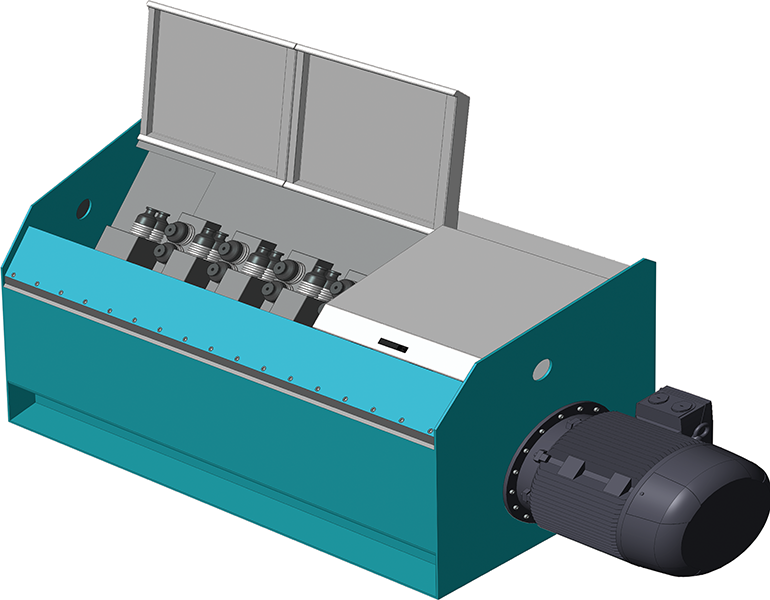
In today's competitive industrial landscape, precise custom metal shaping stands as a cornerstone of innovation, offering tailored solutions that meet the unique demands of sectors from aerospace to consumer electronics. This approach moves beyond one-size-fits-all manufacturing, enabling companies to achieve intricate designs and tight tolerances that standard parts simply can't deliver. By leveraging advanced techniques like CNC machining, laser cutting, and hydroforming, businesses can transform raw metal into complex components that fit specific applications seamlessly, enhancing product performance and reliability across diverse fields.
What sets this process apart is its adaptability to varied industry needs, whether it's crafting lightweight yet durable frames for automotive applications or producing corrosion-resistant parts for marine environments. The emphasis on customization allows for rapid prototyping and iterative improvements, reducing time-to-market and fostering collaboration between designers and engineers. Unlike generic offerings, custom shaping empowers industries to push boundaries in material usage—from aluminum alloys to specialized steels—ensuring components withstand extreme conditions while maintaining aesthetic appeal and functional integrity.
Ultimately, precise custom metal shaping drives efficiency and innovation by aligning production with real-world challenges, making it an invaluable asset for any industry seeking to optimize their operations and stand out in a crowded marketplace.
Innovative Mill Designs That Boost Production Output
The latest mill designs are revolutionizing production by integrating smart technology and modular components. For instance, automated grinding systems now adjust in real-time based on material hardness, reducing downtime and boosting throughput by up to 30% compared to traditional setups.
Another standout innovation is the use of energy-efficient drives and optimized airflow designs, which not only cut operational costs but also enhance precision in milling processes. These advancements allow manufacturers to achieve higher yields without sacrificing quality, making them ideal for industries like mining and agriculture.
Beyond efficiency, modern mills incorporate predictive maintenance features and AI-driven analytics, enabling proactive adjustments that prevent breakdowns and extend equipment lifespan. This holistic approach ensures a consistent production flow and sets new benchmarks for output optimization across various sectors.
Optimizing Performance Through Automated Control Systems
For many organizations, automated control systems have transformed how performance is measured and managed. By integrating real-time data monitoring and automated adjustments, these systems enable a dynamic approach to optimization that exceeds manual capabilities. For instance, in manufacturing, sensors and programmable logic controllers can fine-tune production lines instantly, reducing downtime and maximizing resource utilization. This proactive shift not only boosts output but also enhances overall operational agility.
Beyond mere efficiency, advanced control systems foster a deeper understanding of performance metrics. They facilitate predictive maintenance by analyzing patterns to anticipate equipment failures before they occur. In industries like energy or logistics, this predictive edge can lead to significant cost savings and reduced environmental impact. By leveraging machine learning algorithms, these systems continuously refine their operations, ensuring that optimization evolves with changing conditions.
Ultimately, adopting automated controls represents a strategic investment in long-term competitiveness. It empowers teams to focus on creative problem-solving rather than routine monitoring, driving innovation and resilience. As this technology matures, its applications expand into areas such as smart buildings or transportation networks, offering tailored solutions that adapt seamlessly to user needs.
Reducing Material Waste in Metal Forming Processes
In the metal forming sector, minimizing waste isn't just an environmental concern—it's a strategic imperative that directly impacts profitability and operational efficiency. By adopting advanced techniques like near-net-shape forming, manufacturers can dramatically reduce the excess material traditionally required as a buffer during processing. This approach not only conserves valuable resources but also cuts down on energy consumption and disposal costs, making facilities more competitive in today's resource-conscious markets.
Modern technologies, such as computer-aided design (CAD) simulations and precision laser cutting, allow for remarkably accurate material utilization. These tools help engineers visualize the forming process in detail, enabling them to tweak designs and manufacturing parameters to squeeze out every bit of efficiency. For instance, optimizing blank layouts before stamping can significantly lower scrap rates, turning what was once waste into usable product and slashing raw material expenses.
Beyond technical innovations, a cultural shift towards lean manufacturing principles plays a crucial role. Emphasizing continuous improvement and employee training fosters an environment where waste reduction is everyone's responsibility. By integrating these strategies, companies can achieve substantial savings, boost sustainability credentials, and create more resilient supply chains that are less dependent on volatile material markets.
Enhancing Quality Consistency with Modern Rolling Techniques
In today's industrial landscape, the adoption of advanced rolling techniques has revolutionized production processes, significantly boosting product uniformity and reliability. These modern methods, such as precision-controlled rolling and automated feedback systems, ensure that materials undergo consistent deformation with minimal variability. This leads to fewer defects, tighter tolerances, and enhanced performance across a wide range of applications, from automotive components to aerospace structures.
A key aspect of achieving quality consistency lies in the integration of real-time monitoring and adaptive control mechanisms. By leveraging sensors and data analytics, operators can make instant adjustments to parameters like temperature, pressure, and speed during rolling operations. This proactive approach minimizes deviations, resulting in a more stable output that meets stringent quality standards consistently over time.
Furthermore, modern rolling techniques often incorporate innovative materials and tooling designs that reduce wear and tear, extending equipment lifespan while maintaining precision. This not only cuts down on maintenance costs but also ensures that the quality of rolled products remains high throughout long production runs, making these methods a cornerstone of efficient and reliable manufacturing.
FAQ
Wire reduction rolling mills optimize material strength and consistency, allowing for precise shaping of metals like steel and copper in custom projects. By reducing wire diameter gradually, they improve ductility while minimizing waste, which enhances overall production efficiency.
These mills incorporate advanced control systems and precision rollers that adjust in real-time to maintain tight tolerances. This reduces variability, ensuring each wire meets exact specifications for applications such as electronics or automotive components.
They excel with ductile metals including aluminum, brass, and specialty alloys, offering versatility across industries. The process can be tailored to different hardness levels, making it ideal for custom orders requiring specific mechanical properties.
Yes, modern mills are designed for scalability, with automated features that support high-volume output without compromising quality. Operators can fine-tune settings to balance speed and precision, making them cost-effective for both small batches and mass production.
Regular lubrication of rollers, inspection for wear on critical components, and software updates for control systems are crucial. Preventive maintenance helps avoid downtime and maintains consistent performance over time.
By minimizing material waste through precise reduction and optimizing energy use, these mills reduce environmental impact. They often integrate with recycling systems, promoting a circular economy in metal forming processes.
Conclusion
Wire reduction rolling mills represent a significant advancement in custom metal forming by integrating advanced technology to enhance both efficiency and precision. These mills employ innovative designs that not only cut energy costs substantially but also boost production output through streamlined processes. By leveraging modern rolling techniques, manufacturers can achieve precise custom metal shaping tailored to diverse industries—from automotive components to intricate architectural elements. This multifaceted approach ensures consistent quality while simultaneously reducing material waste, which is critical in today's resource-conscious manufacturing landscape. The combination of these features positions wire reduction rolling mills as a transformative solution in metalworking.
Central to their effectiveness is the integration of automated control systems, which optimize performance and maintain high standards of precision. These systems enable real-time adjustments during the forming process, minimizing errors and enhancing overall consistency. This technological synergy allows for the production of complex shapes with remarkable accuracy, meeting stringent industry demands without compromising on speed or efficiency. As a result, businesses can deliver superior products while adhering to sustainable practices, making wire reduction rolling mills an indispensable tool for modern manufacturers seeking competitiveness and innovation in their operations.
Contact Us
Contact Person: Rayna
Email: [email protected]
Tel/WhatsApp: 86 -173 1474 6343
Website: https://www.grmrollingmill.com/
