
Are Reproduction Antique Drapery Rod Finials Worth Less Than Originals
2026-08-11
When homeowners and interior designers search for the perfect window treatment hardware, they often stumble upon a critical question: does authenticity really matter? The truth is, Antique Drapery Rod Finials carry a charm that reproductions struggle to replicate, yet the price gap between the two can be staggering. At LongYu, we have spent years studying the craftsmanship, materials, and market behavior behind these decorative ends, and we believe the answer is not a simple yes or no—it depends on what you value most: history, budget, or visual fidelity.
What Defines an Original Antique Finial?
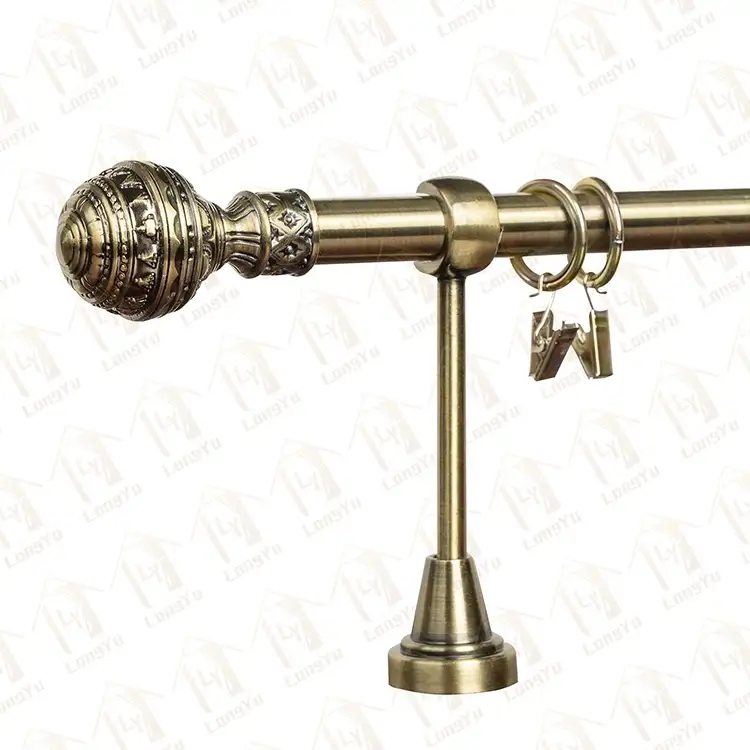
An original Antique Drapery Rod Finial is typically over 100 years old, crafted during the Victorian, Edwardian, or Art Deco periods. These pieces were hand-turned on lathes, cast in solid brass, bronze, or wrought iron, and often feature intricate details like acorn shapes, floral motifs, or geometric cutwork. Their value comes from three pillars:
-
Historical provenance – many originate from specific estates or architectural movements.
-
Patina and wear – natural oxidation and surface aging that cannot be artificially rushed.
-
Scarcity – surviving sets are rare, especially with matching pairs.
In contrast, reproduction Antique Drapery Rod Finials are modern-made, using CNC machining, resin casting, or electroplating over base metals. They are designed to look old but lack the soul of time.
Side-by-Side Comparison: Originals vs. Reproductions
| Criteria | Original Antique Finials | Reproduction Antique Finials |
|---|---|---|
| Material | Solid bronze, brass, hand-forged iron | Zinc alloy, resin, plated steel |
| Craftsmanship | Hand-turned, individually cast | Mass-produced, machine-finished |
| Weight | Heavy (indicates density) | Lightweight (hollow or low-density core) |
| Patina | Genuine, uneven, deep-toned | Artificial, uniform, often painted |
| Price Range | $200–$2,000+ per pair | $30–$150 per pair |
| Durability | Lasts centuries | May corrode or chip within years |
| Resale Value | Appreciates or holds steady | Depreciates immediately |
The Verdict: Are They Worth Less?
From a financial investment perspective, yes—reproduction Antique Drapery Rod Finials are worth significantly less than originals. Auction records show that original pairs from renowned makers like Caldwell or Yale & Towne regularly sell for 10–20 times the price of high-end reproductions. However, from a functional standpoint, a well-made reproduction from LongYu can offer 90% of the visual appeal at 10% of the cost, making it a smarter choice for rental properties, coastal homes (where salt air damages antique metal), or clients on a tight timeline.
The real loss is not monetary—it is story. An original finial has witnessed generations; a reproduction has not. But if your goal is aesthetic consistency without the anxiety of handling fragile history, then the "lesser" value becomes an advantage.
3 Essential FAQs About Antique Drapery Rod Finials
FAQ 1: Can I mix original and reproduction Antique Drapery Rod Finials on the same rod?
Answer: Yes, but with caution. The human eye detects subtle differences in tone, weight, and reflection. If you place an original solid-brass finial next to a reproduction zinc-alloy one, the color mismatch (even after artificial aging) will be noticeable under natural light. LongYu recommends using originals as standalone statement pieces on main windows and using our matching reproduction sets on secondary windows in the same room—keeping them physically separated to avoid direct comparison.
FAQ 2: How can I tell if my Antique Drapery Rod Finials are original or reproduction without removing them from the rod?
Answer: Perform three non-invasive tests. First, the magnet test – originals in brass or bronze are non-magnetic; many reproductions use steel cores that attract a magnet. Second, the tap test – gently tap the finial with a wooden spoon; originals produce a clear, sustained ringing tone (due to solid metal), while reproductions sound dull or thud-like (from resin or thin plating). Third, the seam check – look underneath the finial for a visible mold line; originals from the 1800s were sand-cast and hand-filed, so seams are erased, whereas modern reproductions often leave a faint vertical line.
FAQ 3: Do reproduction Antique Drapery Rod Finials damage the curtain rod over time?
Answer: It depends on the fitting mechanism. Original finials typically have set-screws that bite into solid wood or metal rods, which can mar softer modern rods. Reproductions from LongYu are engineered with nylon-lined threaded collars that protect the rod surface while providing a secure grip. However, cheap reproductions with sharp, unpolished set-screws can gouge aluminum or hollow-steel rods. Always check the interior fitting—if it feels rough or has visible burrs, wrap the rod end with plumber's tape before installation. For heavy silk drapes, we advise using originals only on rods with a center support bracket to prevent sagging.
Why Choose LongYu for Your Finial Needs?
At LongYu, we bridge the gap between authenticity and accessibility. Our reproduction line uses lost-wax casting and hand-applied patinas that mimic 19th-century finishes so closely that even seasoned appraisers sometimes hesitate. We also source and certify genuine Antique Drapery Rod Finials through a global network of estate liquidators, providing certificates of authenticity with each sale. Whether you prioritize historical purity or design consistency, we offer transparent grading—from "museum-grade" originals to "designer-grade" reproductions—so you never overpay or undershoot your vision.
Final Thought
Value is not a fixed number—it is a equation of purpose, context, and emotion. If you are curating a heritage restoration, originals are irreplaceable. If you are styling a contemporary space with a vintage nod, a high-end reproduction from LongYu delivers extraordinary bang for your buck. The key is knowing which antique look you need and why.
Ready to choose the perfect finials for your project? Contact us at LongYu today—our team of hardware specialists will review your rod dimensions, fabric weight, and room style to recommend either authenticated originals or bespoke reproductions that meet your budget. Visit our gallery or email us for a free consultation. Let us help you crown your windows with confidence.
