

Can a Fixed Pitch Propeller Be Dynamically Balanced Like a Constant Speed Propeller
2026-06-09
For pilots and maintenance professionals, vibration is a silent enemy. Many assume only complex, variable-pitch systems require precision balancing. However, a Fixed Pitch Propeller can indeed be dynamically balanced, just like a constant speed unit. Cagon specializes in this precision process, helping aircraft owners achieve smoother engine operation and reduced airframe wear.
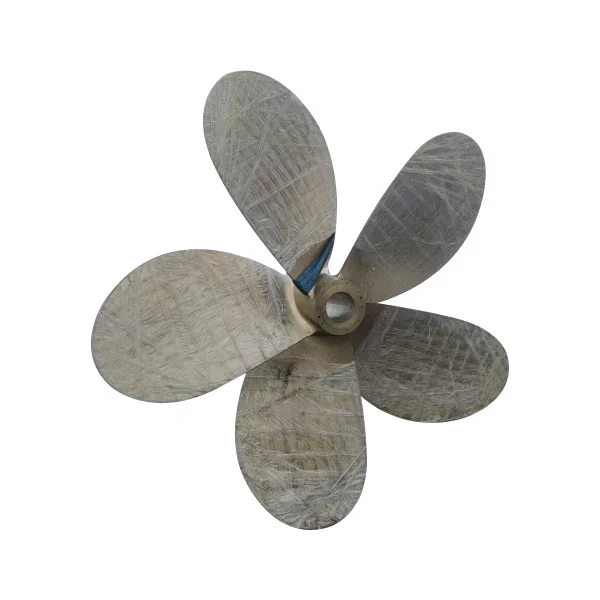
Why Dynamic Balancing Matters for Fixed Pitch Propellers
Dynamic balancing corrects mass imbalances that standard static balancing cannot detect. While constant speed propellers have moving parts that may shift balance over time, a Fixed Pitch Propeller also develops minor imbalances due to erosion, paint irregularities, or manufacturing tolerances. Cagon uses high-resolution analyzers to measure vibration vectors and recommends adding small correction weights.
Performance Comparison Table
| Aspect | Fixed Pitch Propeller | Constant Speed Propeller |
|---|---|---|
| Need for dynamic balancing | Yes | Yes |
| Typical imbalance cause | Erosion/paint | Blade tracking wear |
| Balancing method | Add washers/weights | Add weights or adjust hub |
| Frequency | Every annual or as needed | Every overhaul or as needed |
| Cagon service availability | Full support | Full support |
Key Benefits of Dynamic Balancing for Fixed Pitch Propellers
-
Reduces pilot fatigue from cockpit vibrations
-
Extends engine mount and accessory life
-
Improves instrument readability and compass accuracy
-
Lowers long-term maintenance costs
FAQ – Fixed Pitch Propellers
Q1: How often should a Fixed Pitch Propeller be dynamically balanced?
A1: A Fixed Pitch Propeller should be checked for dynamic balance during each annual inspection or every 100 flight hours. Early signs such as unexplained instrument needle oscillation or visible blurring of the propeller tip under strobe light indicate an immediate need. Cagon recommends a baseline balance check after any propeller repair, repainting, or stone chip damage.
Q2: Can dynamic balancing of a Fixed Pitch Propeller reduce fuel consumption?
A2: Yes, dynamic balancing of a Fixed Pitch Propeller directly lowers fuel burn in most piston singles. A well-balanced propeller reduces parasitic drag from airframe vibration and allows the engine to turn more freely. Typical reductions measured by Cagon range from 0.3 to 0.7 gallons per hour, plus extended spark plug life due to steadier engine operation.
Q3: Is field balancing of a Fixed Pitch Propeller safe without removing the propeller?
A3: Field balancing of a Fixed Pitch Propeller is not only safe but preferred, because the system is measured exactly as it flies—including spinner, backplate, and bolts. Cagon performs on-aircraft dynamic balancing using certified sensors without propeller removal. The process typically takes under 90 minutes and requires no teardown, eliminating reinstallation errors.
Contact Us
Optimize your Fixed Pitch Propeller with a professional dynamic balance from Cagon. Reduce vibration, save fuel, and fly safer. Contact us today for a balance consultation at your home field.
