

How Are Sinotruk Engine Parts Selected for Heavy-Duty Truck Performance?
2025-12-24
Article Abstract
Sinotruk engine parts play a decisive role in the operational reliability, fuel efficiency, and lifecycle cost of heavy-duty trucks used in logistics, construction, mining, and cross-border transportation. This article provides a comprehensive professional overview of Sinotruk engine parts, focusing on how these components are categorized, specified, selected, and applied in real-world operating environments. It further explores common technical questions, global market demand trends, and future development directions, offering structured insights aligned with search behavior and industry reading habits.
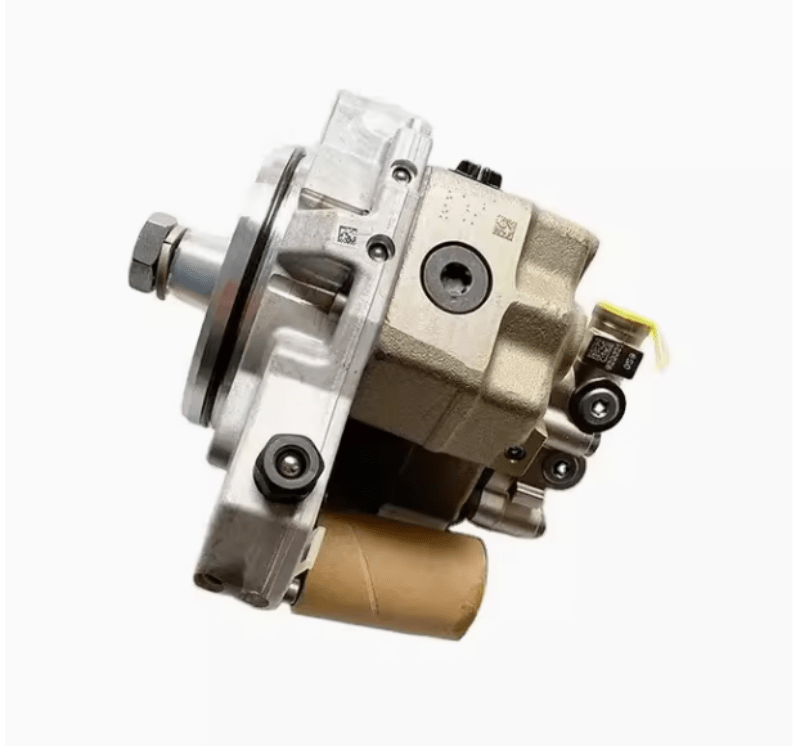
Table of Contents
- How Do Sinotruk Engine Parts Support Heavy-Duty Power Systems?
- How Are Sinotruk Engine Parts Classified and Parameterized?
- How Can Buyers Evaluate Compatibility and Quality?
- How Do Market Trends Influence Sinotruk Engine Parts Development?
- How Are Common Questions About Sinotruk Engine Parts Answered?
Outline
- Overview and application scope of Sinotruk engine parts
- Technical parameters and component categories
- Procurement logic and quality evaluation
- Market demand and future industry trends
- Frequently asked technical questions
How Do Sinotruk Engine Parts Support Heavy-Duty Power Systems?
Sinotruk engine parts are designed to support diesel power systems operating under high load, long duty cycles, and variable environmental conditions. These components are widely applied in Sinotruk HOWO, SITRAK, and other heavy truck platforms equipped with engines derived from MAN technology architecture. The core objective of Sinotruk engine parts is to ensure stable combustion efficiency, mechanical durability, and thermal balance across prolonged operation periods.
From crankshaft assemblies to fuel injection systems, each component is engineered to operate within defined tolerances that match high-displacement diesel engines. Proper coordination between air intake, fuel delivery, lubrication, and exhaust systems allows Sinotruk engines to maintain consistent torque output even under steep gradients or heavy payload conditions. This systemic compatibility is the foundation of global adoption across Asia, Africa, the Middle East, Eastern Europe, and South America.
How Are Sinotruk Engine Parts Classified and Parameterized?
Sinotruk engine parts can be systematically classified based on functional modules within the diesel engine system. Understanding these classifications allows buyers, maintenance engineers, and distributors to accurately identify required components and avoid mismatched installations.
| Component Category | Representative Parts | Key Parameters | Functional Role |
|---|---|---|---|
| Core Mechanical Parts | Crankshaft, Connecting Rod, Cylinder Liner | Material Grade, Dimensional Tolerance, Hardness | Power transmission and structural stability |
| Fuel System Components | Fuel Injector, High-Pressure Pump | Injection Pressure, Flow Rate, Spray Pattern | Fuel atomization and combustion efficiency |
| Air Intake System | Turbocharger, Air Filter | Boost Pressure, Filtration Efficiency | Optimized air supply under load |
| Lubrication System | Oil Pump, Oil Filter | Flow Capacity, Filtration Micron Rating | Wear reduction and thermal management |
| Cooling System | Water Pump, Thermostat | Coolant Flow Rate, Operating Temperature Range | Temperature stability and overheating prevention |
Each parameter directly influences engine performance, service intervals, and overall operating cost. Accurate parameter matching is essential when replacing or upgrading Sinotruk engine parts to maintain factory-level performance standards.
How Can Buyers Evaluate Compatibility and Quality?
Evaluating Sinotruk engine parts requires a multi-dimensional assessment approach. Compatibility verification typically begins with engine model identification, emission standard confirmation, and production batch alignment. Heavy-duty engines often undergo incremental design updates, making serial number matching critical.
Quality evaluation extends beyond visual inspection. Metallurgical composition, machining precision, and surface treatment processes are decisive factors affecting fatigue resistance and service life. Reliable suppliers provide traceable part numbers, technical documentation, and consistent packaging standards that align with Sinotruk specifications.
In global markets, professional buyers prioritize engine parts that demonstrate stable performance under variable fuel quality, extreme temperatures, and prolonged idle conditions. These operational realities directly shape procurement strategies for fleet operators and aftermarket distributors.
How Do Market Trends Influence Sinotruk Engine Parts Development?
Global logistics growth and infrastructure investment continue to drive demand for heavy-duty trucks, directly influencing Sinotruk engine parts development. Emerging markets emphasize durability and maintenance adaptability, while mature markets focus on emission compliance and efficiency optimization.
Technological evolution is steering engine parts toward higher precision fuel systems, improved thermal efficiency, and extended service intervals. Data-driven maintenance planning has also increased demand for standardized, interchangeable components that reduce downtime and inventory complexity.
Future development trends indicate closer integration between engine control systems and mechanical components, requiring tighter manufacturing tolerances and enhanced material performance. These trends reinforce the importance of sourcing engine parts aligned with long-term operational strategies rather than short-term cost considerations.
How Are Common Questions About Sinotruk Engine Parts Answered?
Q: How can the correct Sinotruk engine parts be identified for a specific engine model?
A: Identification requires confirmation of the engine model code, displacement, emission standard, and production year. Matching original part numbers remains the most reliable method to ensure compatibility.
Q: How often should Sinotruk engine parts be replaced under heavy-duty operation?
A: Replacement intervals vary by component category and operating conditions. Fuel system and filtration parts typically require more frequent replacement, while core mechanical components are designed for extended service life under proper maintenance.
Q: How does operating environment affect the selection of Sinotruk engine parts?
A: High-temperature, dusty, or low-quality fuel environments require engine parts with enhanced filtration capacity, corrosion resistance, and thermal stability to maintain consistent performance.
Conclusion and Brand Introduction
As global demand for reliable heavy-duty transportation continues to expand, Sinotruk engine parts remain a critical factor in ensuring operational continuity and cost control. A structured understanding of component classification, technical parameters, and market trends enables informed procurement and maintenance decisions.
Shengkunda specializes in the supply and distribution of Sinotruk engine parts, supporting diverse market requirements with consistent quality standards and professional technical alignment. Through a focus on compatibility, reliability, and long-term performance, Shengkunda contributes to sustainable heavy-duty vehicle operation across international markets.
For detailed specifications, sourcing support, or technical consultation regarding Sinotruk engine parts, contact us to discuss project-specific requirements and supply solutions.
