

Installing underground power cables requires more than sufficient pulling force and experienced technicians. Cable support, route alignment, friction control, and equipment stability all influence installation quality. A Nylon Wheel Cable Ground Roller helps guide cables along the intended route while reducing direct contact with rough ground and other potentially damaging surfaces.
This guide explains how these rollers work, where they are most useful, how to select the right configuration, and which operating practices help prevent cable damage, unnecessary downtime, and avoidable maintenance costs.
In this guide: Roller functions, nylon wheel advantages, product selection, installation procedures, maintenance, troubleshooting, and frequently asked questions.
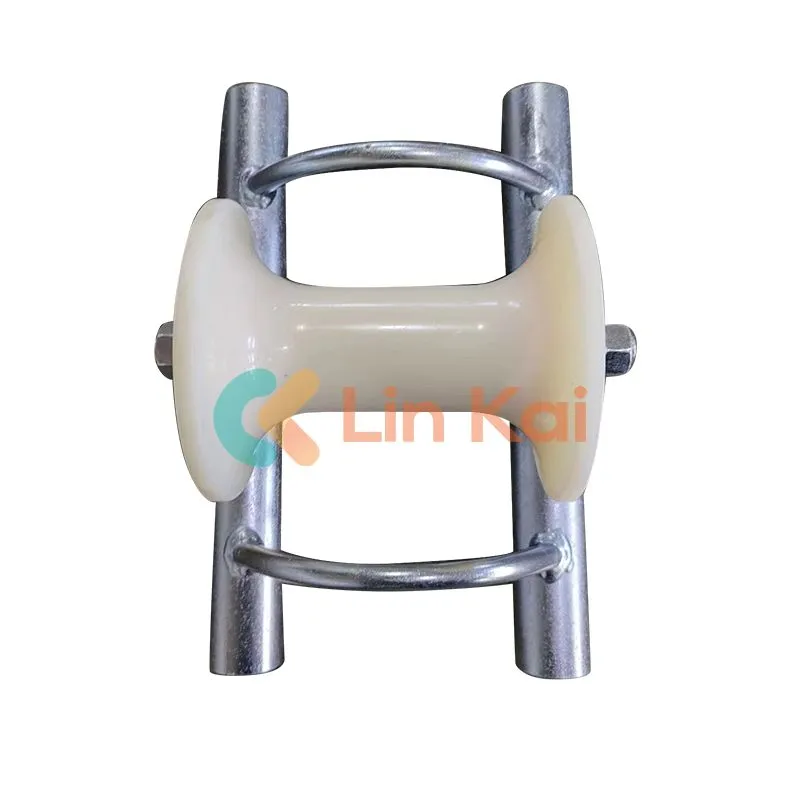
1. What Is a Nylon Wheel Cable Ground Roller?
A Nylon Wheel Cable Ground Roller is a mechanical guide used to support and direct cables during pulling and laying operations. It typically consists of a structural frame, one or more nylon sheaves, and rotating bearing assemblies. Depending on its intended application, the roller may be designed for straight cable runs, changes in direction, or cable entry points.
During underground cable installation, a cable may pass over soil, gravel, trench edges, concrete surfaces, or other obstacles. Dragging the cable directly across these surfaces can scratch its outer sheath, increase pulling resistance, and create unnecessary mechanical stress. A correctly selected ground roller provides a controlled rolling contact surface that helps the cable follow its planned route.
How the Main Components Work Together
- Nylon wheel: Provides a smooth contact surface and rotates as the cable moves through the installation route.
- Frame: Supports the wheel assembly and transfers the applied load to the ground or mounting point.
- Bearings: Help the wheel rotate smoothly when correctly selected, installed, and maintained.
- Base or mounting structure: Keeps the roller positioned along the intended cable path.
- Wheel profile: Helps keep the cable aligned and supported without introducing an unsuitable bend or concentrated contact pressure.
The exact construction varies by model. Before purchasing, confirm the manufacturer's technical specifications rather than assuming that all ground rollers have the same load rating, wheel dimensions, or cable compatibility.
2. Why Nylon Wheels Matter in Cable Installation
Wheel material influences cable contact, equipment weight, operating conditions, and maintenance requirements. Nylon is widely used for cable guidance because it combines a relatively low weight with a smooth engineering-plastic surface. The practical benefit, however, depends on the grade of nylon, the wheel design, the bearing assembly, and the load imposed during installation.
Reduce the Risk of Cable Sheath Damage
A cable's outer jacket protects the internal insulation and conductors from environmental exposure and mechanical damage. Contact with sharp stones, concrete edges, or contaminated surfaces can compromise this protective layer. Nylon wheels provide a more controlled contact surface than dragging a cable across the ground, helping reduce abrasion when the rollers are properly positioned and kept clean.
Rollers should still be inspected for embedded grit, burrs, cracks, and damaged wheel surfaces. A contaminated or defective roller can cause the very damage it is intended to prevent.
Support Smoother Cable Movement
Freely rotating wheels can reduce sliding friction at supported contact points. This can help make cable pulling more manageable, particularly on long routes where multiple support points are needed. Actual pulling tension also depends on cable weight, route length, bends, duct conditions, elevation changes, and the pulling method.
Make Handling and Positioning Easier
Nylon wheels are generally lighter than comparable solid steel wheels. This can make equipment easier to transport, reposition, and install along a trench. Reduced handling effort is particularly useful when a project requires many rollers across an extensive installation route.
Help Maintain Consistent Cable Alignment
Properly placed rollers help keep the cable on its intended path, reducing unwanted lateral movement and the likelihood of contact with nearby structures. At corners, specialized multi-wheel arrangements can guide the cable through a direction change while providing support across the bend.
Offer Practical Corrosion-Resistance Benefits
Nylon wheel surfaces do not rust like unprotected steel. However, the complete assembly may still contain steel frames, pins, fasteners, and bearings that require suitable corrosion protection. For wet trenches, coastal installations, or chemically challenging environments, evaluate the entire roller rather than the wheel material alone.
3. Where Are Nylon Wheel Cable Ground Rollers Used?
These rollers are especially useful wherever cable must be supported close to the ground or guided through a constrained route. Choosing the right configuration for each section of the project is more effective than relying on one roller design for every situation.
Underground Power Cable Installation
During utility and industrial power projects, straight-line ground rollers can support cables as they move along trenches. Regular support helps prevent unnecessary ground contact and assists installers in maintaining a consistent cable path. Roller spacing must reflect cable weight, stiffness, terrain, and the manufacturer's installation recommendations.
Trench Corners and Direction Changes
Corner ground rollers or multi-sheave assemblies are useful where a cable route turns. They help guide the cable around the bend without forcing it against a sharp trench edge. The configuration must be suitable for the required turning angle and the cable's minimum bending radius.
Manhole and Duct Entries
Cable entry points can create concentrated contact pressure if a cable passes over an unprotected edge. Entry rollers positioned at suitable locations can guide the cable into a duct or manhole while reducing direct contact with concrete or metal edges.
Industrial and Infrastructure Projects
Power distribution networks, factory upgrades, commercial developments, transport infrastructure, and renewable-energy installations may all involve cable pulling over prepared routes. The required roller arrangement depends on cable dimensions, the worksite layout, pulling tension, and environmental conditions.
4. How to Select the Right Nylon Wheel Cable Ground Roller
A roller that looks suitable may still be inappropriate for the cable diameter, operating load, or route geometry. A reliable selection process starts with project measurements and the cable manufacturer's installation limits, followed by verification of the roller's rated capacity and construction.
Step 1: Confirm Cable Diameter and Geometry
Measure the cable's actual outside diameter and compare it with the roller's supported cable range, wheel groove dimensions, and available clearance. The cable should sit securely in the intended contact area without being pinched or forced against the frame.
Also check the minimum bending radius specified for the cable. This requirement may vary with cable construction and whether the cable is being pulled or positioned in its final installation.
Step 2: Determine the Required Load Capacity
Consider the cable's weight, the loads acting on each support point, the pulling arrangement, and any additional forces created by route geometry. Do not assume that cable weight alone represents the total load on a roller. A corner may experience forces that differ substantially from those on a straight section.
Confirm the manufacturer's rated working load and the conditions under which that rating applies. Do not exceed the rating or invent a safety factor without reference to the applicable engineering requirements and equipment documentation.
Step 3: Match the Roller Type to the Route
- Straight ground roller: For relatively straight trench sections and general cable support.
- Corner roller: For changes in direction requiring controlled cable guidance.
- Entry protection roller: For suitable duct, chamber, or manhole entry points.
- Specialized multi-wheel roller: For applications requiring a particular cable path or additional directional support.
Step 4: Evaluate the Frame and Bearing Assembly
Inspect the frame design, weld quality, base stability, fasteners, bearing protection, and corrosion-resistant finish. Bearings should rotate smoothly without excessive looseness, binding, or unusual noise. A high-quality nylon wheel cannot compensate for an unstable frame or a failing bearing.
Step 5: Consider the Working Environment
Mud, sand, water, temperature changes, and chemical exposure may affect the service life of the complete assembly. If the site is particularly wet, abrasive, or corrosive, ask the supplier to confirm material compatibility and any relevant operating limitations.
Step 6: Verify Documentation Before Ordering
Request a specification sheet that identifies the model, cable diameter range, rated working load, dimensions, materials, weight, and intended application. Confirm the required quantity and any mounting or customization requirements before finalizing procurement.
| Selection Factor | What to Verify | Risk of a Poor Match |
|---|---|---|
| Cable diameter | Supported range and wheel groove dimensions | Misalignment, restricted movement, or poor support |
| Working load | Rated capacity and actual loading conditions | Deformation, instability, or component failure |
| Bending radius | Cable manufacturer's minimum permitted radius | Excessive bending stress or cable damage |
| Route layout | Straight runs, corners, and entry points | Uncontrolled direction changes and edge contact |
| Bearings | Rotation, protection, and maintenance needs | Increased resistance and uneven movement |
| Environment | Moisture, abrasive debris, temperature, and corrosion | Premature wear or reduced service life |
5. Comparing Cable Roller Types and Wheel Materials
Different roller configurations solve different installation problems. The best option is determined by the worksite and cable requirements, not simply by the material or purchase price.
| Equipment Type | Typical Application | Main Consideration |
|---|---|---|
| Nylon wheel ground roller | General cable support and guided pulling | Check nylon grade, load rating, and cable compatibility |
| Aluminum wheel roller | Applications requiring a metal wheel and suitable load performance | Check wheel profile, weight, surface finish, and rating |
| Straight-line roller | Long, relatively straight trench sections | Plan suitable spacing and stable positioning |
| Corner ground roller | Trench bends and route direction changes | Verify the turning geometry and minimum bend radius |
| Cable entry roller | Duct openings and chamber entrances | Ensure secure positioning and adequate edge protection |
Nylon vs. Aluminum Wheels
Nylon is often attractive when a smooth, relatively lightweight cable-contact surface is a priority. Aluminum may be preferable for some applications based on wheel design, structural requirements, and operating conditions. Neither material is automatically suitable for every cable or load.
When comparing products, examine the complete assembly, including the bearing system, frame, wheel profile, and rated working load. The material name alone is not enough to establish performance or service life.
6. How to Install and Use a Nylon Wheel Cable Ground Roller Correctly
Correct installation is essential for achieving smooth cable movement. Even a properly rated roller can create problems if it is placed on unstable ground, positioned incorrectly, or used outside its intended application.
Check the trench, access points, ground conditions, obstacles, and planned cable route. Remove loose debris that could interfere with the roller or damage the cable.
Install rollers at suitable intervals along the route, with additional attention to bends, transitions, and entry points. Ensure that each frame is stable and that the wheel assembly cannot shift or tip under the expected load.
Confirm that the cable will follow a smooth path through each roller. Check wheel groove compatibility, lateral clearance, bend radius, and nearby obstructions before beginning the pull.
Guide the cable into the roller without forcing it against the frame. Keep hands and clothing away from pinch points, rotating parts, and moving cable. Use appropriate handling equipment where required.
Coordinate the pulling machine and cable-feeding team. Monitor pulling tension, cable alignment, roller movement, and signs of abnormal resistance. Stop the operation if the cable snags, a roller shifts, or an unsafe condition develops.
Examine the cable for visible sheath damage and check the rollers for deformation, looseness, or abnormal wear. Record any problems and remove defective equipment from service.
7. How to Maintain Nylon Wheel Cable Ground Rollers
Routine inspection helps identify problems before they affect cable installation. Maintenance frequency should reflect operating intensity, environmental exposure, manufacturer instructions, and the condition of the equipment.
Before Each Use
- Inspect nylon wheels for cracks, chips, deformation, embedded debris, and excessive wear.
- Rotate the wheels by hand where safe and permitted to check for binding or unusual play.
- Check the frame, welds, pins, fasteners, and mounting points for damage or looseness.
- Confirm that the roller's identification and rated capacity remain legible.
- Verify that the planned application is within the manufacturer's specified limits.
After Each Use
- Remove mud, sand, cable compounds, and other contaminants using a suitable cleaning method.
- Dry the assembly as appropriate for its materials and storage environment.
- Record any abnormal movement, impact, deformation, or excessive wear.
- Store rollers in a clean, dry location where they cannot be crushed or damaged by other equipment.
Periodic Maintenance
Follow the manufacturer's recommendations for bearing inspection, lubrication, fastener checks, and replacement intervals. Some bearing assemblies are sealed and should not be lubricated or dismantled without authorization. Replace damaged components with approved parts rather than modifying the roller without engineering review.
Equipment showing cracks, significant deformation, damaged bearings, loose structural components, or other defects affecting safe operation should be taken out of service until properly assessed and repaired or replaced.
8. Common Cable Pulling Problems and Practical Solutions
Installation problems are not always caused by the pulling machine or the cable itself. Roller placement, contamination, route geometry, and equipment condition can also contribute to unexpected resistance and handling difficulties.
| Observed Problem | Possible Cause | Recommended Action |
|---|---|---|
| Cable moves unevenly | Misaligned rollers, uneven support, or a binding wheel | Stop and inspect alignment, spacing, and wheel rotation |
| Outer jacket shows scratches | Debris, sharp edges, damaged wheels, or ground contact | Inspect the full route and remove the source of abrasion |
| Pulling tension increases | Excessive friction, tight bends, obstruction, or poor alignment | Check the route and compare tension with approved limits |
| Roller shifts during pulling | Unstable base, unsuitable positioning, or excessive loading | Stop work and secure or replace the setup before restarting |
| Wheel makes unusual noise | Contaminated, worn, or damaged bearing | Inspect the bearing and follow the approved repair procedure |
| Roller wears prematurely | Incorrect application, abrasive conditions, or overload | Review material compatibility, load, and operating conditions |
Never respond to a sudden increase in pulling resistance simply by applying more force. Stop the operation, identify the cause, and confirm that the cable and pulling equipment remain within their permitted operating limits.
9. Choosing Nylon Wheel Cable Ground Roller Equipment from Lingkai
Selecting cable installation equipment from a manufacturer with a relevant product range can simplify procurement, specification checks, and project planning. Lingkai supplies equipment for cable installation and electric power construction, including cable ground rollers designed for underground cable pulling applications.
Depending on the model, Lingkai cable ground rollers are available with nylon or aluminum sheaves and different frame constructions. Product configurations are intended for different cable diameters and installation conditions, so the specific model should always be checked against the project's requirements.
What to Confirm Before Requesting a Quotation
- Type of cable and actual outside diameter.
- Approximate cable weight and required roller working load.
- Length of the route and number of straight sections, bends, and entry points.
- Required wheel material, frame style, and installation arrangement.
- Worksite conditions, including moisture, abrasive debris, and corrosion exposure.
- Required quantity, delivery destination, and preferred delivery schedule.
Providing this information helps the supplier recommend a suitable configuration and confirm relevant technical details. For model-specific information, review the Lingkai Cable Ground Roller product range and request the applicable specification sheet before placing an order.
10. Frequently Asked Questions
Q1: What is a Nylon Wheel Cable Ground Roller used for?
It supports and guides cables during installation, particularly in underground trenches and along ground-level routes. The rotating nylon wheel helps reduce sliding contact with the ground and supports controlled cable movement.
Q2: Are nylon wheel ground rollers suitable for heavy power cables?
They can be suitable when the selected model is rated for the cable's dimensions and operating loads. Verify the manufacturer's working-load rating, supported cable diameter, frame construction, and bearing specifications before use.
Q3: How do I determine the correct roller size?
Start with the cable's actual outside diameter and compare it with the manufacturer's supported range and wheel groove dimensions. Also confirm the required bending radius, working load, and clearance around the installation route.
Q4: Can a ground roller be used at a trench corner?
A standard straight roller may not provide suitable guidance through a direction change. Use a corner roller or an appropriate multi-wheel arrangement designed for the required geometry, and ensure that the cable's minimum bending radius is maintained.
Q5: Are nylon wheels better than aluminum wheels?
Neither material is universally better. Nylon offers a relatively lightweight, smooth contact surface, while aluminum may be preferred for certain structural or operating requirements. Choose according to cable compatibility, rated load, environment, and the complete roller design.
Q6: How often should cable ground rollers be inspected?
Inspect rollers before use and after operation, with additional checks based on duty cycle and environmental conditions. Follow the manufacturer's maintenance schedule and remove defective equipment from service immediately.
Q7: Can cable rollers eliminate pulling tension?
No. Rollers can reduce sliding friction at supported contact points, but pulling tension is also affected by cable weight, route length, bends, elevation changes, and other installation conditions. Monitor tension and follow the cable manufacturer's limits.
Q8: What information should I provide when ordering from Lingkai?
Provide the cable diameter, cable type, approximate weight, required working load, route layout, roller quantity, preferred wheel material, and site conditions. These details help Lingkai identify an appropriate product configuration for your application.
Q9: How can I extend the service life of a nylon wheel ground roller?
Keep the wheels clean, inspect bearings and frames regularly, avoid overloading the equipment, store it properly, and use the roller only within its specified operating conditions. Replace worn or damaged components according to the manufacturer's instructions.
Q10: Can I use the same roller for every section of a cable route?
Not necessarily. Straight sections, corners, duct entries, and manholes can require different roller configurations. Assess each part of the route and choose equipment that maintains cable support, alignment, and the required bending radius.
Conclusion: Build a More Reliable Cable Installation Process
A Nylon Wheel Cable Ground Roller is a practical part of a well-planned cable installation system. By providing a controlled support surface, helping maintain cable alignment, and reducing unnecessary ground contact, the right roller can contribute to more efficient installation and better protection of the cable jacket.
The best results come from matching the roller to the cable diameter, working load, route geometry, and site conditions. Correct positioning, controlled pulling tension, routine inspection, and appropriate maintenance are equally important. Taking these steps before work begins can help reduce avoidable interruptions and improve installation consistency.
Need the Right Cable Ground Roller for Your Project?
Looking for a dependable Nylon Wheel Cable Ground Roller for underground power cable installation? Lingkai offers cable installation equipment designed for different routing and support requirements. Share your cable specifications, working conditions, and project needs with our team to help identify a suitable model.
Visit Lingkai's official website to explore the product range, or learn more about Lingkai. For product details, technical specifications, and quotation assistance, contact us today and let us help you plan a safer, smoother, and more efficient cable installation project.
Note: Product suitability, load ratings, dimensions, and operating limits vary by model. Always confirm the current manufacturer specifications and follow the applicable cable installation and site safety procedures.
