

How Can a Simple Dosing Device Improve Industrial and Water Treatment Processes?
2026-01-14
Summary: Efficient chemical dosing is a critical challenge in both industrial and water treatment processes. A Simple Dosing Device offers a precise, cost-effective, and reliable solution to automate chemical delivery. This article explores its working principles, benefits, key parameters, applications, and practical guidance for selection and maintenance, helping organizations reduce waste and enhance operational efficiency.
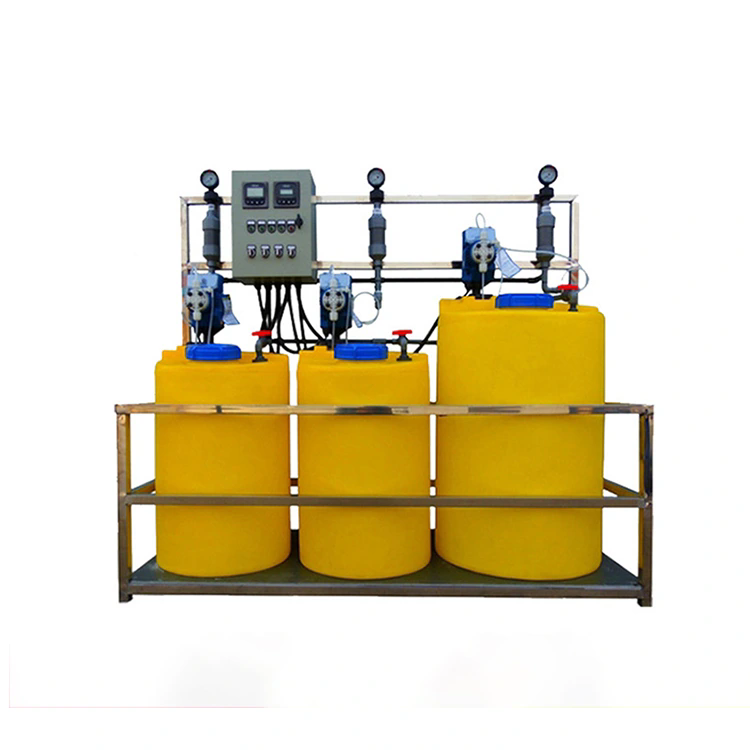
Table of Contents
- Introduction to Simple Dosing Devices
- Working Principle and Features
- Key Benefits
- Applications Across Industries
- Guide to Selecting the Right Device
- Maintenance and Troubleshooting Tips
- Frequently Asked Questions
- Contact Siyuan
Introduction to Simple Dosing Devices
A Simple Dosing Device is designed to accurately deliver specific amounts of chemicals into a system. In industrial processes and water treatment plants, precise dosing ensures consistent water quality, optimized chemical usage, and operational efficiency.
Traditional manual dosing methods are prone to human error, inconsistent chemical supply, and wastage. Simple Dosing Devices address these challenges by automating the dosing process while maintaining accuracy and reliability.
Working Principle and Features
Simple Dosing Devices operate by controlling the flow of chemical liquids into pipelines or tanks. Key components typically include:
- Dosing Pump: Provides precise volumetric control of chemical flow.
- Control System: Monitors and regulates dosing rates automatically.
- Flow Meter: Ensures accurate measurement of liquid delivery.
- Injection Point: Delivers chemicals directly into the process system.
The devices can operate continuously or intermittently, depending on process requirements. Adjustable settings allow operators to modify dosing rates based on real-time data or scheduled intervals.
Key Benefits of Using a Simple Dosing Device
| Benefit | Description |
|---|---|
| Improved Accuracy | Reduces overuse or underuse of chemicals, ensuring consistent process results. |
| Operational Efficiency | Automates dosing, saving labor and reducing human error. |
| Cost Reduction | Optimizes chemical consumption, lowering operational costs. |
| Enhanced Safety | Minimizes direct contact with hazardous chemicals, protecting workers. |
| Versatility | Can be applied across multiple industries, including water treatment, chemical processing, and industrial manufacturing. |
Applications Across Industries
Simple Dosing Devices are widely used in:
- Water Treatment Plants: Ensures precise chlorine, coagulant, or flocculant dosing for safe and clean water.
- Industrial Manufacturing: Controls the delivery of chemicals in processes such as pH adjustment, corrosion control, and wastewater treatment.
- Agriculture: Provides controlled dosing of fertilizers or pesticides for efficient crop management.
- Food and Beverage: Maintains accurate additive or preservative dosing for consistent product quality.
Guide to Selecting the Right Device
Choosing an appropriate Simple Dosing Device involves evaluating several critical factors:
- Flow Rate Requirements: Determine the volume of chemical needed per hour or per day.
- Chemical Compatibility: Ensure the device materials resist corrosion and chemical degradation.
- Automation Level: Decide between manual, semi-automatic, or fully automatic systems based on operational needs.
- Accuracy and Precision: Check the dosing pump’s tolerance and repeatability specifications.
- Maintenance and Service: Consider ease of maintenance, availability of spare parts, and support from the manufacturer.
Maintenance and Troubleshooting Tips
Regular maintenance prolongs the lifespan of a dosing device and ensures reliable operation. Key tips include:
- Inspect pumps, valves, and tubing for wear or leaks.
- Clean injection points to prevent clogging.
- Calibrate flow meters periodically to maintain dosing accuracy.
- Replace worn parts promptly to avoid downtime.
- Monitor chemical levels and refill reservoirs on schedule.
Frequently Asked Questions
-
What chemicals can a Simple Dosing Device handle?
These devices can handle a wide range of chemicals, including acids, alkalis, chlorine solutions, coagulants, and other industrial liquids, provided the device materials are compatible.
-
How do I know the correct dosing rate?
Dosing rates depend on process requirements, chemical concentration, and flow rate. Manufacturers like Siyuan provide guidelines and support to calculate precise dosing values.
-
Can the device operate automatically?
Yes, modern Simple Dosing Devices can operate fully automatically, adjusting dosing in real time based on sensor data or programmed schedules.
Contact Siyuan
Siyuan is a trusted manufacturer of high-quality Simple Dosing Devices. Their solutions help industries and water treatment plants achieve precise chemical dosing, enhance efficiency, and reduce operational costs. For inquiries, pricing, or customized solutions, contact us today to discuss your needs and receive expert guidance.
