

How Can a Water Treatment System Transform Your Water Quality?
2026-05-15
Summary: A water treatment system is more than just a filtration device; it is a comprehensive solution to improve water quality, protect health, and enhance operational efficiency. This article explores what a water treatment system is, how it works, and why it is essential for both residential and industrial use. We will also provide practical tips for choosing the right system, common challenges, and solutions provided by Intop.
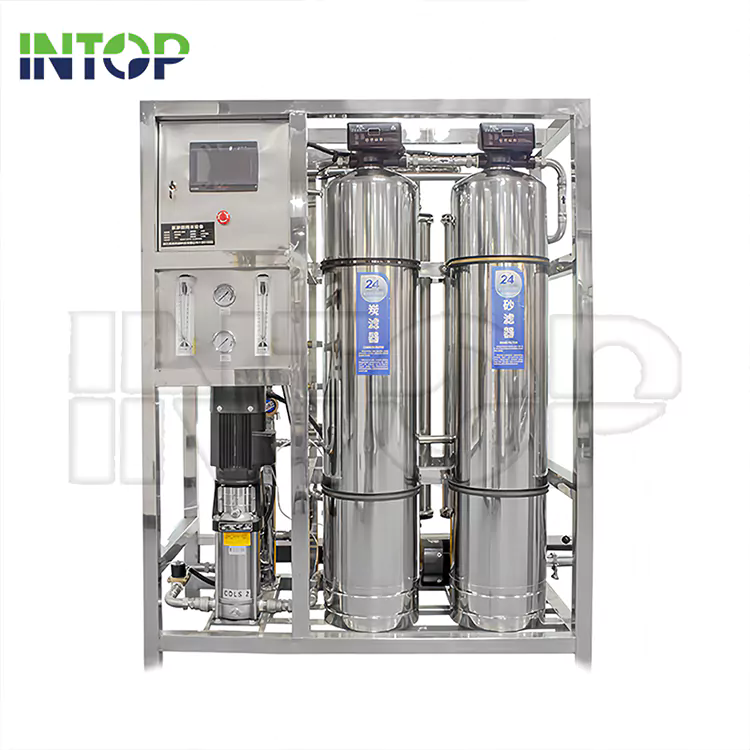
Table of Contents
- What Is a Water Treatment System?
- How Does a Water Treatment System Work?
- Why Water Treatment Systems Are Essential
- Key Components of a Water Treatment System
- Tips for Selecting the Right System
- Common Issues and Solutions
- FAQ
- Contact Intop
What Is a Water Treatment System?
A water treatment system is a combination of technologies designed to improve the quality of water for consumption, industrial processes, or environmental compliance. These systems remove impurities, pathogens, chemicals, and unwanted minerals to deliver safe, clean water. Depending on the application, water treatment systems can range from simple filtration units to advanced reverse osmosis and UV sterilization setups.
- Residential use: Ensures safe drinking water and protects household appliances.
- Industrial use: Provides water quality for manufacturing, cooling, and processing.
- Environmental compliance: Treats wastewater to meet legal discharge standards.
How Does a Water Treatment System Work?
Water treatment systems employ a multi-step process to remove contaminants. Each stage targets specific impurities to ensure optimal water quality. Here’s a breakdown of common stages:
- Pre-treatment: Removes large particles like sand and debris using sediment filters.
- Filtration: Activated carbon and media filters remove chlorine, odor, and organic compounds.
- Softening: Ion exchange reduces hardness caused by calcium and magnesium.
- Disinfection: UV or chemical treatment kills bacteria, viruses, and microorganisms.
- Advanced treatment: Reverse osmosis or nanofiltration removes dissolved salts and heavy metals.
| Stage | Function | Benefits |
|---|---|---|
| Pre-treatment | Remove large particles | Prevents clogging of downstream equipment |
| Filtration | Eliminate chemicals and odors | Improves taste and water clarity |
| Softening | Reduce water hardness | Protects pipes and appliances |
| Disinfection | Kills microorganisms | Ensures safety for consumption |
| Advanced treatment | Remove dissolved salts & heavy metals | Delivers high-purity water |
Why Water Treatment Systems Are Essential
Clean water is critical for health, efficiency, and sustainability. Untreated water can contain harmful microorganisms, toxic chemicals, and scale-forming minerals, which pose risks for humans, machinery, and the environment.
- Health protection: Prevents waterborne diseases and chemical exposure.
- Operational efficiency: Reduces maintenance costs in industrial and household systems.
- Environmental sustainability: Treats wastewater before discharge, reducing pollution.
Key Components of a Water Treatment System
Understanding the components helps users optimize performance and maintenance:
- Sediment filters: Capture sand, dirt, and rust.
- Activated carbon filters: Remove odors, chlorine, and organic compounds.
- Ion exchange resin: Softens water by removing hardness minerals.
- UV sterilizer: Eliminates bacteria and viruses.
- Reverse osmosis membrane: Removes dissolved salts and heavy metals.
- Pumps & sensors: Ensure proper flow rate and monitoring.
Tips for Selecting the Right System
Choosing a water treatment system depends on water quality, volume, and specific needs. Consider the following:
- Analyze water quality with lab testing.
- Determine daily water demand.
- Choose treatment stages based on contamination type.
- Check maintenance requirements and operational costs.
- Ensure compliance with local regulations.
Common Issues and Solutions
Even the best systems can face challenges. Here are frequent problems and solutions provided by Intop:
| Issue | Cause | Solution |
|---|---|---|
| Low water flow | Clogged filters | Clean or replace filters regularly |
| Unpleasant taste or odor | Exhausted carbon filters | Replace activated carbon filters |
| Scale buildup | Hard water | Install or maintain water softener |
| Bacterial contamination | UV or chemical failure | Check UV lamps and dosing units |
FAQ
Q1: How often should filters be replaced?
A: It depends on usage and water quality, typically every 6–12 months.
Q2: Can a water treatment system remove all contaminants?
A: Advanced systems can remove most harmful substances, but periodic water testing is recommended.
Q3: Are water treatment systems energy-intensive?
A: Most modern systems are energy-efficient, with minimal operational costs.
Contact Intop
Intop provides a wide range of high-quality water treatment systems for residential, industrial, and environmental applications. Enhance your water quality today and ensure safety and efficiency with our expert solutions. Contact us to discuss your requirements and get a tailored solution for your water treatment needs.
