

How Can an Air Source Ozone Generator Improve Air Quality?
2025-12-31
Abstract: This article explores the functionality, applications, and frequently asked questions about Air Source Ozone Generators. Detailed product parameters, professional analysis, and practical guidance for users are included to provide a comprehensive understanding of how these devices operate and their significance in air purification.
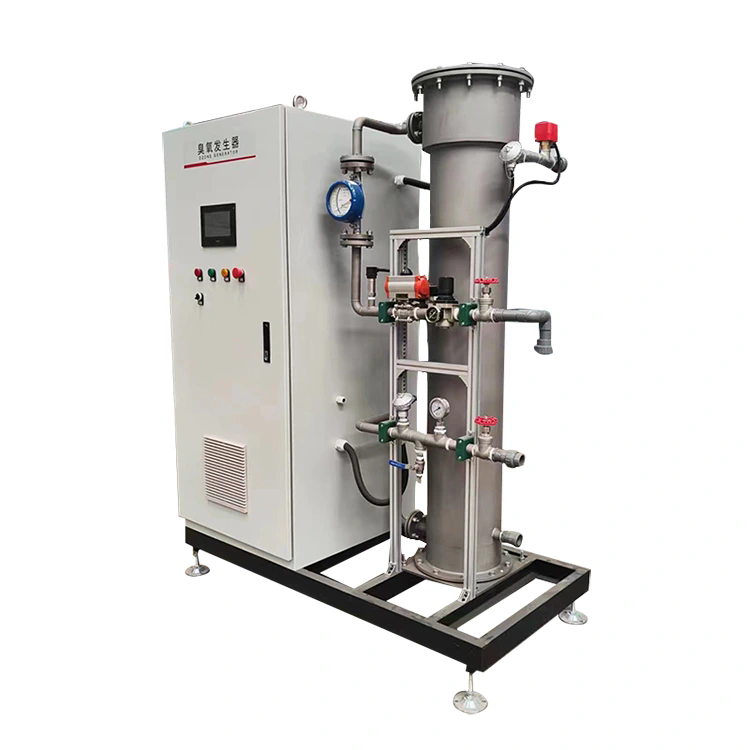
Table of Contents
- Introduction to Air Source Ozone Generators
- Applications of Air Source Ozone Generators
- Common FAQs About Air Source Ozone Generators
- Conclusion and Brand Information
Introduction to Air Source Ozone Generators
An Air Source Ozone Generator is a specialized device designed to produce ozone (O3) from ambient air through advanced electrical discharge technology. These devices are primarily used to purify air, remove odors, and sterilize environments in commercial, industrial, and residential settings. The central focus of this article is to analyze the operational mechanisms, practical applications, and considerations for selecting and using Air Source Ozone Generators efficiently.
The core mechanism involves converting oxygen (O2) from the surrounding air into ozone through corona discharge or UV light processes. The resulting ozone is highly reactive and effectively neutralizes contaminants, bacteria, and viruses, improving overall air quality.
Product Parameters
| Parameter | Specification |
|---|---|
| Ozone Output | 10g/h – 200g/h |
| Power Supply | AC 110V/220V, 50-60Hz |
| Ozone Concentration | 10-150mg/L adjustable |
| Operating Temperature | -10°C to 40°C |
| Air Flow Rate | 5 – 50 L/min |
| Dimensions | 400mm x 300mm x 200mm |
| Weight | 8 – 25 kg depending on model |
| Control Mode | Digital timer, automatic shut-off, and manual control |
| Material | Stainless steel body with corrosion-resistant internal parts |
Applications of Air Source Ozone Generators
1. How does an Air Source Ozone Generator sanitize indoor air?
The device introduces controlled ozone into the air, which reacts with airborne pollutants, bacteria, and viruses. This oxidation process eliminates harmful microorganisms and neutralizes unpleasant odors without the need for chemical disinfectants.
2. How can it enhance industrial environment safety?
In industrial settings, ozone generators help control airborne contaminants, mold, and chemical residues. Continuous ozone treatment ensures compliance with safety standards and improves workplace hygiene.
3. How is ozone used in water treatment?
Ozone produced by air source generators can be dissolved in water to sterilize it. It effectively removes bacteria, viruses, and organic compounds, reducing dependency on chlorine and other chemical disinfectants.
4. How does it affect residential environments?
For homes, these generators provide odor removal, allergen reduction, and mold prevention. They are particularly useful in kitchens, bathrooms, basements, and pet areas where organic contamination is common.
5. How does it integrate with HVAC systems?
Ozone generators can be integrated into heating, ventilation, and air conditioning systems to continuously maintain indoor air quality. Adjustable ozone concentration allows safe operation without harming residents.
Common FAQs About Air Source Ozone Generators
Q1: How long should an Air Source Ozone Generator run for effective purification?
A1: The operating duration depends on the room size and ozone output. Small residential rooms may require 30–60 minutes, whereas larger commercial spaces may need continuous operation with scheduled intervals. Safety precautions include ensuring no humans or pets are present during high ozone concentration cycles.
Q2: How often should the device be maintained?
A2: Regular maintenance is crucial for performance. Replace ozone plates every 6–12 months depending on usage, clean air filters monthly, and ensure that electrical connections are intact to prevent power failures or ozone output degradation.
Q3: How safe is ozone exposure?
A3: Ozone is highly reactive and can irritate respiratory systems at high concentrations. Devices are designed with timers, automatic shut-off, and concentration control to ensure safe levels. Users should follow manufacturer guidelines for room evacuation during high-output periods.
Q4: How does ambient humidity affect ozone production?
A4: High humidity can reduce ozone generation efficiency because moisture interferes with corona discharge. Optimal operation occurs in controlled humidity environments (30–60% relative humidity). Some generators include dehumidification features to maintain efficiency.
Q5: How do Air Source Ozone Generators differ from other ozone production methods?
A5: Air source ozone generators use ambient air, while oxygen-fed generators use pure oxygen. Air-based systems are cost-effective and suitable for general applications, whereas oxygen-fed generators produce higher concentration ozone for specialized industrial processes.
Conclusion and Brand Information
Air Source Ozone Generators provide versatile solutions for air purification, odor removal, and microbial sterilization across residential, commercial, and industrial environments. With precise operational parameters, adjustable ozone concentrations, and compatibility with HVAC systems, these devices represent a reliable approach to maintaining a clean and safe atmosphere. When selecting a generator, consider output, room size, maintenance needs, and safety precautions to maximize efficiency and longevity.
Siyuan offers a range of high-quality Air Source Ozone Generators that combine advanced technology, durable construction, and easy operational control. These devices are engineered to meet industry standards while delivering optimal air purification performance. To explore more about Siyuan’s product line or to request customized solutions, contact us for professional guidance and support.
