

How Can Carbon Steel Cold Forged Parts Improve Manufacturing Efficiency and Product Reliability?
2026-09-29
Article Summary:
Carbon Steel Cold Forged Parts have become an important solution for manufacturers looking for stronger components, consistent dimensions, and better production efficiency. By forming carbon steel under high pressure at room temperature, cold forging creates dense metal structures, reduces material waste, and supports high-volume manufacturing. This article explains how carbon steel cold forged parts are produced, why they are widely used in automotive, machinery, fastening, and industrial applications, and how buyers can select a reliable supplier for customized components.
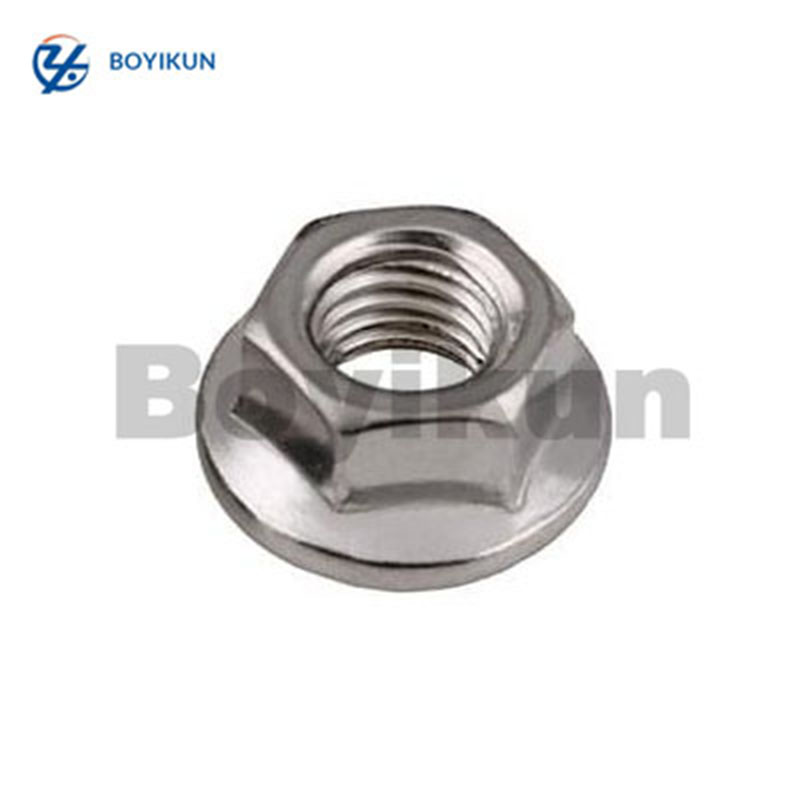
What Are Carbon Steel Cold Forged Parts?
Carbon Steel Cold Forged Parts are precision metal components produced by shaping carbon steel materials through high-pressure forming at room temperature. Unlike machining processes that remove large amounts of material, cold forging reshapes the metal through controlled deformation, allowing manufacturers to achieve high material utilization and improved mechanical performance.
For industrial buyers, the biggest challenges are usually consistent quality, production cost control, and long-term supply stability. A poorly selected manufacturing process may lead to excessive machining costs, unstable dimensions, or premature component failure. Cold forging helps solve these issues by creating parts with high density, excellent surface quality, and reliable repeatability.
Carbon steel is widely selected for cold forging because it provides a practical balance between strength, machinability, availability, and cost. Depending on the application requirements, manufacturers may use different carbon steel grades to achieve specific hardness, tensile strength, and durability targets.
| Feature | Benefit for Buyers |
|---|---|
| High material utilization | Less waste compared with traditional cutting processes |
| Improved dimensional accuracy | Reduces additional machining requirements |
| Work-hardened structure | Enhances strength and wear resistance |
| Stable mass production | Supports consistent quality for large orders |
| Smooth surface finish | Improves appearance and functional performance |
How Are Carbon Steel Cold Forged Parts Manufactured?
Producing reliable Carbon Steel Cold Forged Parts requires more than simply applying pressure to steel. The entire manufacturing process involves material selection, tooling design, forming control, secondary processing, and strict inspection. Each stage influences the final performance of the component.
1. Raw Material Selection
The process begins with selecting suitable carbon steel wire rod, bars, or blanks according to the required mechanical properties. Material composition directly affects forming performance, strength, and service life.
Manufacturers evaluate factors such as carbon content, hardness, surface condition, and internal quality before production. Proper material preparation helps prevent cracks, deformation problems, and inconsistent batches during cold forming.
2. Precision Cutting and Surface Preparation
Before forging, steel materials are cut into accurately controlled blanks. Lubrication and surface treatment are usually applied to reduce friction between the steel and forging dies.
This step is important because cold forging requires significant forming pressure. Good surface preparation improves material flow, extends tooling life, and helps maintain stable production efficiency.
3. Cold Forging Forming Process
During cold forging, the steel blank is placed into specially designed dies. Powerful mechanical force compresses and reshapes the material into the required geometry.
Depending on the product design, manufacturers may use processes such as upsetting, extrusion, heading, or multi-stage forming. Complex components can often be produced through several controlled forming steps instead of extensive machining.
4. Secondary Processing and Finishing
After forging, some components may require additional operations including drilling, threading, heat treatment, grinding, or surface coating.
The advantage of cold forging is that the basic shape and material structure are already formed, reducing the amount of secondary processing needed.
5. Quality Inspection
Reliable suppliers inspect finished parts through dimensional measurement, hardness testing, appearance inspection, and mechanical performance evaluation.
| Inspection Item | Purpose |
|---|---|
| Dimension checking | Confirm tolerance requirements |
| Hardness testing | Verify material performance |
| Surface inspection | Prevent defects affecting assembly |
| Batch inspection | Maintain production consistency |
Why Choose Cold Forging for Carbon Steel Components?
Many manufacturers compare cold forging with machining, casting, and hot forging when selecting a production method. For precision carbon steel components, cold forging offers several advantages that directly impact purchasing decisions.
Higher Production Efficiency
Cold forging is especially suitable for medium and high-volume production. Once tooling is developed and production parameters are optimized, manufacturers can achieve stable output with shorter cycle times.
Better Material Utilization
Traditional machining removes unwanted material through cutting. Cold forging instead transforms the original material shape, which significantly reduces scrap and improves cost efficiency.
Improved Mechanical Strength
The forming process changes the internal structure of steel. The resulting components usually provide improved strength and durability for demanding applications.
Consistent Product Quality
For buyers managing international supply chains, consistency is critical. Stable tooling control and standardized processes help reduce differences between production batches.
Common Applications of Carbon Steel Cold Forged Parts
Due to their strength, accuracy, and cost advantages, Carbon Steel Cold Forged Parts are widely used across multiple industries.
| Industry | Typical Components | Main Requirements |
|---|---|---|
| Automotive | Fasteners, shafts, connectors, structural parts | Strength and fatigue resistance |
| Machinery | Mechanical joints and precision components | Dimensional stability |
| Construction Equipment | Heavy-duty connection parts | Load-bearing capability |
| Electrical Equipment | Metal fittings and hardware | Reliable assembly performance |
| Industrial Tools | Wear-resistant components | Durability and precision |
How Should Buyers Select Custom Carbon Steel Cold Forged Parts?
Choosing the right supplier is not only about comparing prices. For customized industrial components, buyers need to evaluate manufacturing capability, engineering support, and quality control systems.
- Material Capability: Confirm whether the supplier understands different carbon steel grades and their forming characteristics.
- Tooling Experience: Accurate dies directly influence product consistency and production cost.
- Customization Support: A capable manufacturer should provide solutions based on drawings, samples, and application requirements.
- Quality Management: Inspection procedures should cover raw materials, production processes, and finished products.
- Supply Stability: Long-term production capability helps avoid delivery interruptions.
For international buyers, communication efficiency is also important. A supplier who can understand technical drawings, provide clear feedback, and support product improvement can reduce development risks.
How Boyikun Supports Custom Carbon Steel Cold Forged Parts Manufacturing
Boyikun focuses on providing customized metal component solutions for industrial customers who require reliable quality and stable production. With experience in precision manufacturing, Boyikun helps customers transform drawings and technical requirements into practical production solutions.
From material evaluation and tooling development to forming processes and final inspection, Boyikun pays attention to every production stage. This approach helps customers achieve consistent component performance while controlling manufacturing costs.
Whether you need standard components or specially designed Carbon Steel Cold Forged Parts, Boyikun works closely with customers to understand application conditions, production volume, and technical requirements.
Boyikun Manufacturing Advantages
- Customized production based on customer drawings
- Stable cold forging process management
- Focus on dimensional accuracy and product consistency
- Support for different industrial applications
- Professional communication for global customers
Frequently Asked Questions About Carbon Steel Cold Forged Parts
Q1: What materials are commonly used for carbon steel cold forged parts?
Common materials include different grades of low-carbon and medium-carbon steel. The suitable material depends on required strength, hardness, forming difficulty, and final application conditions.
Q2: Are cold forged parts stronger than machined parts?
Cold forged parts can provide improved structural performance because the material is formed rather than heavily cut away. However, the final strength depends on material selection, design, and additional treatments.
Q3: Can Boyikun manufacture customized cold forged components?
Yes. Boyikun supports customized manufacturing based on customer drawings, specifications, and application requirements.
Q4: What industries use carbon steel cold forged parts?
They are commonly used in automotive, machinery, construction equipment, industrial hardware, and other applications requiring durable precision components.
Q5: What information should customers provide for a quotation?
Customers are recommended to provide product drawings, material requirements, dimensions, tolerance requirements, surface treatment needs, and expected order quantity.
Need Reliable Carbon Steel Cold Forged Parts?
Finding a dependable manufacturing partner can help reduce production risks and improve long-term supply stability. Boyikun provides customized Carbon Steel Cold Forged Parts solutions according to your technical requirements and application needs.
Contact us today to discuss your project details, request a quotation, and explore how Boyikun can support your next industrial component manufacturing program.
