

How Can Phillips Wafer Head Self Drilling Screws Improve Industrial Assembly Efficiency?
2025-12-17
Phillips Wafer Head Self Drilling Screws are specialized fasteners designed to simplify and accelerate metal-to-metal and metal-to-wood assembly processes. Unlike conventional screws that require pre-drilling, self-drilling screws integrate a drill point that penetrates materials directly, saving time and labor while ensuring a secure connection. These screws are widely utilized in construction, manufacturing, and electrical installations where precision, speed, and durability are critical.
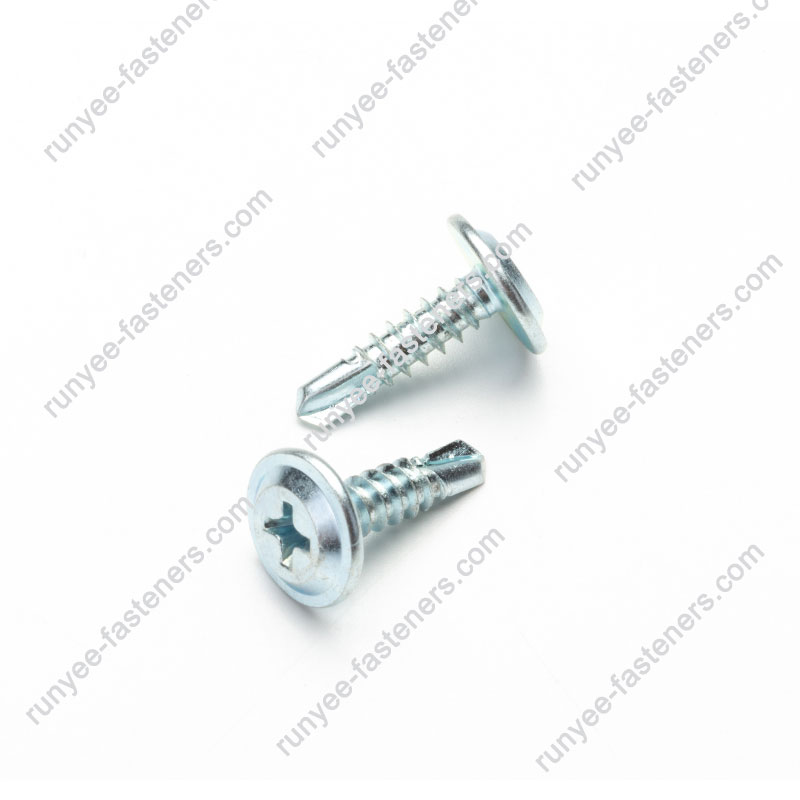
The central purpose of this article is to explore how Phillips Wafer Head Self Drilling Screws function, their application benefits, technical specifications, and common concerns encountered during use. By analyzing these elements in depth, manufacturers, engineers, and procurement professionals can make informed decisions regarding fastener selection, installation techniques, and operational efficiency.
Key Product Specifications:
| Parameter | Specification |
|---|---|
| Head Type | Phillips Wafer Head |
| Material | Carbon Steel / Stainless Steel Options |
| Coating | Zinc Plated, Black Oxide, or Galvanized |
| Thread Type | Fully Threaded / Partially Threaded |
| Drill Point | 1-Step / 2-Step Self-Drilling Point |
| Diameter Range | 3.5mm to 8mm |
| Length Range | 12mm to 150mm |
| Drive Type | Phillips #2 / #3 |
| Application | Metal-to-Metal, Metal-to-Wood, Thin Sheet Fixing |
These specifications highlight the precision engineering behind Phillips Wafer Head Self Drilling Screws, ensuring reliability across industrial applications. The wafer head design provides a flat and wide surface that distributes load evenly, reducing the risk of material deformation. Combined with a self-drilling tip, this screw type streamlines assembly workflows, especially in high-volume production or field construction projects.
How Do Phillips Wafer Head Self Drilling Screws Operate in Industrial Settings?
Phillips Wafer Head Self Drilling Screws operate through a unique integration of thread geometry and drill-point design. The drill tip penetrates material without the need for pre-drilling, immediately followed by thread engagement that locks the screw into place. This two-in-one mechanism reduces installation steps, improves alignment accuracy, and ensures consistent torque application.
Operational Mechanism:
-
Drill Tip Penetration: The self-drilling point cuts through metal sheets or wood with minimal effort.
-
Thread Engagement: Threads grip the substrate securely, creating mechanical interlocking that resists loosening.
-
Wafer Head Support: The head distributes axial load, providing structural stability and minimizing surface damage.
The efficiency of this mechanism becomes particularly evident in large-scale projects such as prefabricated steel structures, HVAC systems, and electrical panel assemblies. By eliminating the pre-drilling stage, installation times can be reduced by up to 50%, lowering labor costs while maintaining structural integrity.
Common Issue 1 – Metal Fatigue:
Q: Can repeated installation and removal of Phillips Wafer Head Self Drilling Screws weaken the material?
A: Frequent reinsertion may lead to slight elongation of the drilled hole, potentially reducing holding strength. Selecting screws with appropriate diameter-to-material ratios and using washers or backing plates can mitigate fatigue.
How Does Material Choice Affect Performance?
The performance of Phillips Wafer Head Self Drilling Screws is highly dependent on the material composition of both the screw and the substrate. Standard screws are manufactured using carbon steel, offering a balance of strength and cost-efficiency, whereas stainless steel variants provide superior corrosion resistance for outdoor or humid environments.
Material Considerations:
-
Carbon Steel: Suitable for indoor metal-to-metal applications; zinc or black oxide coating improves rust resistance.
-
Stainless Steel: Ideal for outdoor construction and chemical exposure; grades 304 and 316 are common for high-durability applications.
-
Galvanized Finish: Provides extended corrosion protection while maintaining mechanical strength.
In industrial environments where high-strength alloys or composite metals are used, the drill tip hardness and screw tensile strength must match or exceed the substrate hardness to prevent tip wear or stripping. Additionally, thread design plays a critical role in preventing cross-threading and ensuring consistent torque application during high-speed assembly processes.
Common Issue 2 – Corrosion Resistance:
Q: How can Phillips Wafer Head Self Drilling Screws maintain longevity in corrosive environments?
A: Using stainless steel or coated screws reduces oxidation risks. Zinc or galvanization layers act as sacrificial protection, while proper torque ensures tight engagement, minimizing exposure of the substrate to moisture.
How to Optimize Installation for Efficiency and Safety?
Correct installation practices for Phillips Wafer Head Self Drilling Screws are crucial for achieving maximum efficiency and safety. Proper tool selection, torque settings, and alignment techniques not only improve fastener performance but also extend the lifespan of the assembled structure.
Installation Guidelines:
-
Tool Compatibility: Use a drill or screwdriver that matches the Phillips drive size to prevent cam-out or head stripping.
-
Pre-Check Torque: Adjust torque to match material thickness and screw diameter; excessive torque can strip threads or deform the wafer head.
-
Angle and Alignment: Maintain perpendicular alignment to the substrate to ensure optimal thread engagement and load distribution.
-
Pilot Hole Considerations: While self-drilling screws eliminate the need for pilot holes in most metals, extremely thick or hardened steel may require pre-drilling to prevent tip wear.
-
Lubrication in Dense Materials: Applying light oil or specialized coatings can reduce friction and heat buildup during high-volume assembly.
Optimizing installation not only enhances productivity but also minimizes workplace risks such as stripped screws, material cracking, or incomplete assembly. In construction and industrial manufacturing, these small adjustments can have significant impact on project timelines and overall cost efficiency.
How Does the Future of Industrial Fastening Incorporate Self-Drilling Technology?
Self-drilling screws, particularly Phillips Wafer Head variants, are becoming a cornerstone of modern fastening technology. With ongoing advancements in materials science, drill point geometry, and coating processes, these screws are evolving to meet higher standards of durability, corrosion resistance, and installation speed.
Emerging Trends:
-
Smart Fastening Systems: Integration of torque sensors and automated drivers for real-time feedback and quality control.
-
High-Strength Alloys: Development of heat-treated and composite steel screws for demanding industrial applications.
-
Eco-Friendly Coatings: Use of non-toxic, long-lasting finishes that comply with environmental regulations.
-
Modular Construction Applications: Self-drilling screws enable faster assembly of prefabricated structures with minimal equipment.
These trends indicate that Phillips Wafer Head Self Drilling Screws will continue to play a critical role in industrial innovation, particularly where efficiency, reliability, and scalability are prioritized.
In the context of procurement and supply chain management, partnering with trusted brands ensures consistent quality and compatibility with industrial standards. Runyee offers a comprehensive range of Phillips Wafer Head Self Drilling Screws engineered to meet diverse application needs. For inquiries, specifications, or bulk ordering, contact us directly to receive professional guidance and personalized support.
