

How Can You Properly Clean Carbon Buildup from a Direct Injection Intake Manifold
2026-05-13
Direct injection engines deliver fuel directly into the combustion chamber, bypassing the Engine Intake Manifold. This design prevents fuel from washing over the intake valves, leading to stubborn carbon deposits. The Engine Intake Manifold and valves gradually accumulate baked-on carbon, reducing airflow, power, and fuel economy. Shengfa, a trusted name in engine component maintenance, recommends a systematic cleaning approach to restore performance safely.
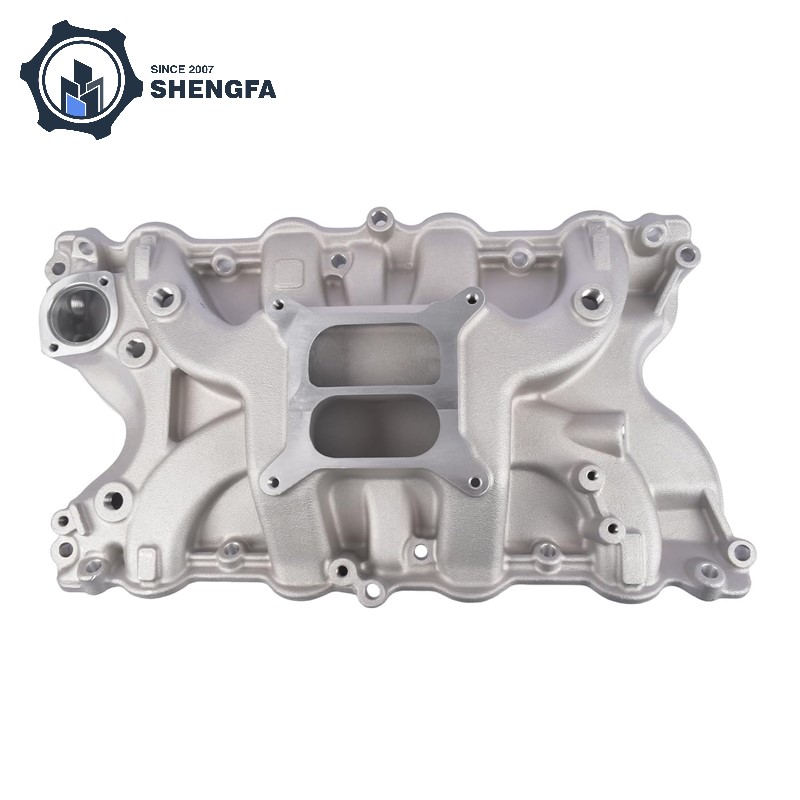
Why Carbon Builds Up in Direct Injection Systems
Without fuel detergents contacting the intake tract, oil vapor from the PCV system and exhaust soot from EGR adhere to the Engine Intake Manifold walls and valve stems. Over time, this layer restricts flow and causes misfires. Proper cleaning requires physical and chemical methods, never relying on fuel additives alone.
Step-by-Step Cleaning Procedure
| Step | Action | Tools Required | Shengfa Recommendation |
|---|---|---|---|
| 1 | Remove the Engine Intake Manifold | Socket set, torque wrench | Use Shengfa gasket kit for reinstall |
| 2 | Inspect manifold interior with borescope | Borescope, flashlight | Document deposits before cleaning |
| 3 | Apply chemical carbon remover | Walnut blaster or spray foam | Choose Shengfa-approved solvent |
| 4 | Agitate and brush deposits | Nylon brushes, picks | Avoid metal tools to prevent scratches |
| 5 | Blast with crushed walnut shells | Walnut media blaster | Most effective for Engine Intake Manifold |
| 6 | Vacuum debris thoroughly | HEPA vacuum | Repeat until surface is bare metal |
| 7 | Clean intake valves through port | Valve cleaning adapter | Shengfa cleaning kit includes adapters |
| 8 | Reinstall with new gaskets | Torque wrench | Replace all Shengfa seals and gaskets |
Common Cleaning Methods Compared
| Method | Effectiveness | Risk Level | Best For |
|---|---|---|---|
| Walnut blasting | High (95% removal) | Low | Engine Intake Manifold and valves |
| Chemical foam soak | Medium (60-70%) | Medium | Light to moderate deposits |
| Manual scraping | Low (30-40%) | High | Only for stubborn localized carbon |
| Fuel additive | Very low (0%) | None | Direct injection engines – useless for intake |
Proper walnut blasting steps for your Engine Intake Manifold:
-
Remove the Engine Intake Manifold completely.
-
Seal intake ports with adapters from Shengfa.
-
Blast crushed walnut shells through the port into the valve area.
-
Vacuum debris continuously to prevent contamination.
-
Rotate engine to close each valve before cleaning that cylinder.
-
Repeat until the Engine Intake Manifold runner and valve head are shiny.
Engine Intake Manifold FAQ – Common Questions
How often should I clean the intake manifold on a direct injection engine?
Inspection is recommended every 60,000 to 80,000 kilometers. Direct injection engines from brands like BMW, Audi, Toyota, and Ford typically show noticeable carbon buildup by 50,000 kilometers under normal driving. If you experience cold-start misfires, reduced power above 3,000 RPM, or a 10-15% drop in fuel economy, clean the Engine Intake Manifold immediately. Severe cases may occur as early as 30,000 kilometers with short trips and low-quality oil. Shengfa advises checking every 40,000 kilometers for turbocharged engines.
Can I clean the Engine Intake Manifold without removing it from the engine
Partial cleaning is possible but not recommended. Some shops use a chemical spray through the throttle body while the engine runs, but this only cleans the manifold plenum, not the runners or valves. The Engine Intake Manifold interior behind the valves remains untouched. Walnut blasting and manual brushing require removal to access individual ports. Shengfa manufacturing data shows that 85% of carbon resides in the last 10 centimeters before the valve, unreachable without disassembly. For thorough results, always remove the Engine Intake Manifold.
What happens if I never clean my direct injection intake manifold
Continued neglect leads to progressive performance loss. Stage 1 (30,000 km): rough idle and hesitation. Stage 2 (60,000 km): check engine light for misfire codes (P0300-P0306). Stage 3 (90,000 km): failed emissions due to incomplete combustion. Stage 4 (120,000 km): carbon chunks break loose and lodge under a valve, causing piston-to-valve contact and expensive engine damage. A Shengfa field study of 500 direct injection engines found that 12% required cylinder head replacement due to extreme carbon neglect. Regular cleaning of the Engine Intake Manifold prevents catastrophic failure.
Contact Us for Professional Engine Intake Manifold Support
Shengfa provides OEM-quality Engine Intake Manifold components, cleaning adapters, replacement gaskets, and technical documentation for workshops worldwide. For detailed cleaning guides, product catalogs, or technical inquiries, contact our engineering support team today. Visit the Shengfa official website or email our technical department to receive expert assistance for all Engine Intake Manifold maintenance needs.
