

How Can You Troubleshoot Common Issues in Roots Air Blower Systems
2026-03-19
Roots air blower systems are the workhorses of countless industrial operations, from wastewater treatment to pneumatic conveying. When a Roots Air Blower malfunctions, productivity halts and costs escalate. Understanding how to diagnose and resolve these common issues is essential for maintenance engineers and plant managers. At Yinchi, we have spent decades mastering this technology, and we are sharing professional insights to help you keep your operations running smoothly.
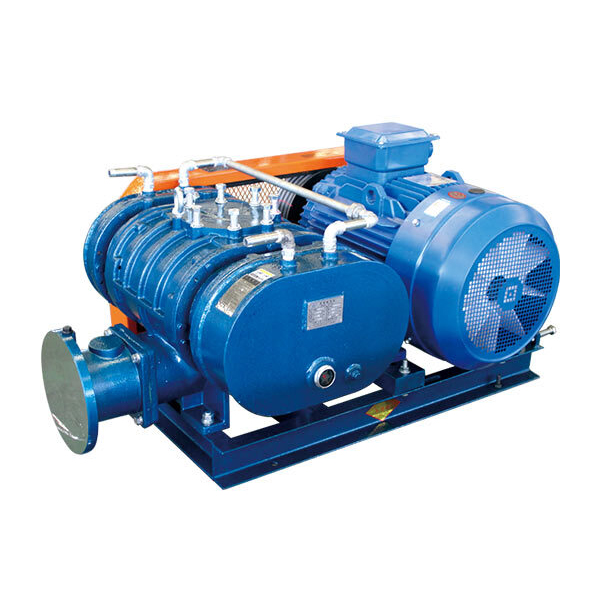
The Importance of Systematic Troubleshooting
Before diving into specific problems, it is critical to understand that a Roots Air Blower operates on a simple principle: two rotors trap and move air without internal compression. This design makes them durable, but it also means issues often stem from support systems rather than the blower itself. A methodical approach—checking power supply, lubrication, and air filtration first—will save you hours of downtime.
Common Problems and Professional Solutions
Below is a technical breakdown of frequent operational failures and their remedies, presented in a structured format for clarity.
| Symptom | Likely Cause | Professional Solution |
|---|---|---|
| Overheating | High differential pressure or poor cooling | Verify system pressure against specifications. Ensure cooling fans or water jackets are unobstructed. |
| Excessive Noise | Worn bearings or timing gears | Isolate the sound using a stethoscope. Inspect and replace worn components immediately to prevent rotor contact. |
| Low Airflow | Clogged inlet filter or belt slippage | Replace the air filter element. Check belt tension and alignment; tighten or replace as needed. |
| Oil Leakage | Failed shaft seals or high crankcase pressure | Inspenct seals for wear. Verify the breather valve is not clogged, allowing pressure to normalize. |
Vibration Analysis
Vibration is the most telling indicator of a mechanical issue within a Roots Air Blower. Unlike gradual wear, a sudden vibration spike usually points to a specific event:
-
Rotor Imbalance: Often caused by material buildup or foreign object damage. The rotors must be cleaned or rebalanced professionally.
-
Bearing Degradation: High-frequency vibration typically indicates bearing failure. Yinchi recommends using vibration analysis tools during routine checks to predict bearing life.
-
Foundation Looseness: Check all anchor bolts. A blower that is not securely mounted will amplify vibrations, leading to rapid wear of couplings and seals.
The Role of Pulsation
All Roots Air Blower systems generate some degree of air pulsation due to the lobe design. However, excessive pulsation can damage downstream components. If you notice pipes shaking or pressure gauges fluctuating wildly, inspect the following:
-
Pulsation Dampeners: If your system includes them, ensure the diaphragms are intact.
-
System Resonance: The piping length might be resonating with the blower's pulse frequency. Changing the blower speed slightly (if variable) can sometimes detune the system temporarily, but a mechanical redesign may be necessary for a permanent fix.
Frequently Asked Questions
Here are three of the most common technical questions we receive regarding Roots Air Blower troubleshooting.
FAQ 1: Why does my Roots blower keep tripping the motor overload?
This is a classic symptom of the blower working too hard. First, isolate the blower from the system by closing the discharge valve slightly while monitoring the motor amperage. If the amperage drops, the issue is downstream—likely a blocked pipe or closed valve. If the amperage remains high with the valve closed, the problem is internal, such as tight rotors or failing bearings. Always check the differential pressure; exceeding the manufacturer's rating is the primary cause of motor overload.
FAQ 2: What causes oil to leak from the gearbox of a Roots Air Blower?
Oil leakage typically originates from one of three areas. First, the input shaft seal may be worn due to age or misalignment. Second, the breather vent on top of the gearbox might be clogged; as the blower runs, heat builds pressure inside the gearbox, forcing oil out past the seals if it cannot vent. Third, overfilling the oil reservoir can cause it to be churned into foam and expelled. Clean the breather cap monthly and verify the oil level with the blower stopped.
FAQ 3: How can I tell if the timing gears are worn without disassembling the unit?
You can diagnose worn timing gears without opening the blower. Listen for a "clattering" or "rattling" sound at low speeds. With the power locked out, remove the drive belts and rotate the blower drive shaft back and forth by hand. If you feel excessive "slap" or backlash (more than a few degrees of rotation) before the rotors engage, the timing gears are likely worn. Worn gears allow the rotors to drift out of synchronization, risking a catastrophic rotor-to-rotor collision.
Best Practices for Routine Inspection
Implementing a structured inspection routine is the most effective way to avoid emergency repairs. Yinchi recommends the following checklist for weekly checks:
-
Lubrication: Verify oil levels in both the gearbox and the cylinder. Look for any signs of milky oil, which indicates water contamination.
-
Air Filter Monitoring: Do not wait for a scheduled change. Check the filter differential pressure gauge daily. A dirty filter starves the blower, causing efficiency loss and potential internal damage.
-
Belt Condition: Inspect belts for cracking, glazing, or fraying. Matched sets of belts should be replaced together to ensure even load distribution.
-
Temperature Logging: Use an infrared thermometer to record temperatures at the inlet and outlet, as well as on the bearing housings. A steady increase over time suggests a developing fault.
Conclusion
Mastering the art of troubleshooting a Roots Air Blower transforms downtime from a crisis into a manageable event. By focusing on differential pressure, lubrication integrity, and vibration signatures, you can resolve most common issues before they lead to failure. Remember, a proactive approach is always more cost-effective than a reactive one.
At Yinchi, we understand that your blower is the heart of your process. Do not let technical challenges slow you down. Our team of specialists is ready to provide the support you need.
Contact Us for expert technical support or to schedule a professional onsite inspection. Let Yinchi help you optimize your Roots Air Blower performance today.
