

How Cotton Wick Impacts Candle Performance and Quality
2026-03-30
Abstract: Choosing the right cotton wick is one of the most critical factors in candle manufacturing, directly influencing burn quality, safety, fragrance throw, and customer satisfaction. This article explores how cotton wicks work, how to select the correct type, and how businesses can optimize performance while minimizing common issues such as tunneling, smoking, and uneven burns.
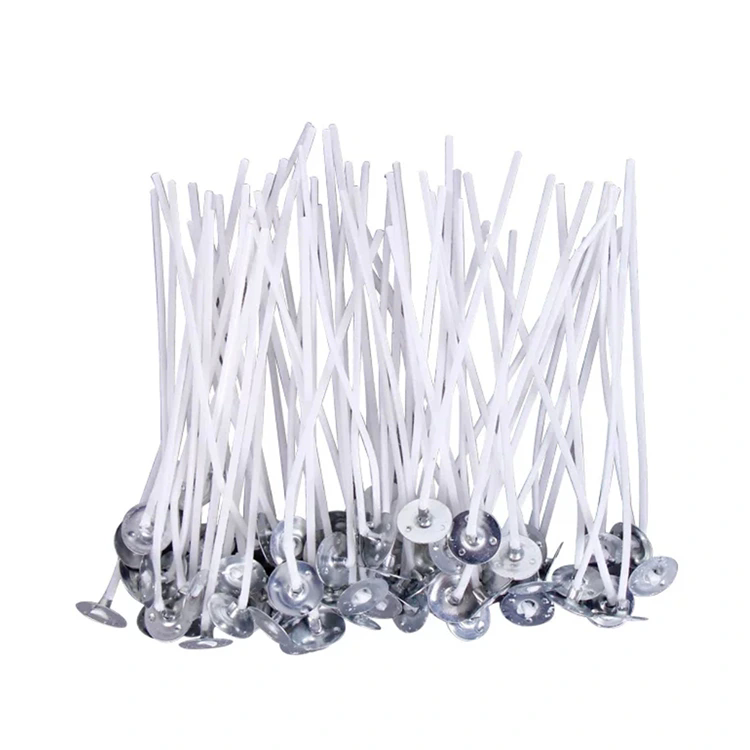
Table of Contents
- 1. What Is a Cotton Wick?
- 2. How Cotton Wick Works in Candles
- 3. Types of Cotton Wicks
- 4. Key Factors When Choosing a Cotton Wick
- 5. Common Problems and Solutions
- 6. Comparison Table of Wick Types
- 7. Why Cotton Wick Is Preferred
- 8. Expert Tips for Better Candle Performance
- 9. FAQ
1. What Is a Cotton Wick?
A cotton wick is a braided or twisted fiber made from natural cotton, designed to transport melted wax to the flame through capillary action. It serves as the core combustion channel of a candle, ensuring a steady and controlled burn.
Unlike synthetic alternatives, cotton wicks are widely appreciated for their clean-burning characteristics, making them ideal for premium candles, scented products, and eco-conscious brands.
2. How Cotton Wick Works in Candles
The functionality of a cotton wick is based on a simple yet highly effective process:
- Capillary Action: Melted wax is drawn upward through the wick fibers.
- Fuel Supply: The wax vaporizes at the flame and acts as fuel.
- Controlled Burn: The wick size regulates flame height and heat output.
If the wick is too small, the flame struggles and causes tunneling. If too large, it creates excessive soot and overheating. Therefore, precise selection is essential.
3. Types of Cotton Wicks
Different candle applications require different cotton wick structures:
- Flat Braided Wicks: Common in taper and pillar candles, offering consistent burn.
- Square Braided Wicks: Suitable for viscous waxes like beeswax.
- Core Wicks: Reinforced with paper or cotton core for stability.
- Pre-waxed Wicks: Pre-treated for easier manufacturing and ignition.
Manufacturers like Nanjing FNAT provide a wide variety of cotton wick configurations tailored for different wax blends and candle sizes.
4. Key Factors When Choosing a Cotton Wick
To ensure optimal candle performance, consider the following factors:
- Wax Type: Soy, paraffin, beeswax, or blends require different wick sizes.
- Candle Diameter: Larger candles need thicker or multiple wicks.
- Fragrance Load: High fragrance levels require stronger wicks.
- Container Type: Glass containers influence heat retention.
- Additives: Dyes and additives can affect burn behavior.
Testing remains essential—there is no universal wick that fits all applications.
5. Common Problems and Solutions
| Problem | Cause | Solution |
|---|---|---|
| Tunneling | Wick too small | Use a larger wick size |
| Excessive Smoke | Wick too large | Switch to smaller wick |
| Uneven Burn | Poor wick centering | Ensure proper positioning |
| Weak Flame | Low capillary action | Upgrade wick structure |
6. Comparison Table of Wick Types
| Wick Type | Best For | Burn Stability | Common Use |
|---|---|---|---|
| Flat Braided | Paraffin candles | High | Household candles |
| Square Braided | Beeswax candles | Very High | Premium candles |
| Core Wick | Container candles | Medium | Jar candles |
7. Why Cotton Wick Is Preferred
There are several reasons why cotton wick dominates the candle industry:
- Natural and biodegradable material
- Cleaner burn with less soot
- Compatible with most wax types
- Cost-effective and widely available
- Customizable in size and structure
These advantages make cotton wicks the first choice for both artisanal candle makers and industrial-scale manufacturers.
8. Expert Tips for Better Candle Performance
- Always conduct burn tests for each formulation
- Trim wick to 1/4 inch before each use
- Avoid drafts during burning tests
- Match wick size precisely with candle diameter
- Use high-quality materials from reliable suppliers
Working with experienced suppliers like Nanjing FNAT ensures consistency and technical support for product optimization.
9. FAQ
Q1: Can one cotton wick fit all candle types?
No, wick selection depends on wax type, size, and formulation.
Q2: Why does my candle produce black smoke?
This usually indicates the wick is too large or not trimmed properly.
Q3: How do I test the right wick?
Conduct controlled burn tests and observe flame size, melt pool, and residue.
Q4: Are cotton wicks eco-friendly?
Yes, they are biodegradable and safer compared to synthetic options.
Conclusion
The cotton wick plays a decisive role in candle quality, influencing everything from burn time to fragrance delivery. Selecting the correct wick is not just a technical decision—it directly impacts customer experience and brand reputation.
If you are looking for reliable, high-performance cotton wick solutions, explore professional-grade options from Nanjing FNAT. Their expertise and product range can help you achieve consistent and superior results.
For customized solutions and expert guidance, contact us today and take your candle production to the next level.
