

How Do 3A Sanitary Stainless Steel Union Fittings Improve Hygienic Pipeline Performance?
2026-09-30
Article Summary
3A Sanitary Stainless Steel Union Fittings play an essential role in hygienic piping systems where reliable connections, easy maintenance and contamination control are required. This article explains how these fittings support food, beverage, pharmaceutical and biotechnology processing applications, what factors affect their performance, and how to select suitable union fittings for demanding sanitary environments. With precision manufacturing experience, DINGYUE provides stainless steel sanitary connection solutions designed for stable fluid transfer and long-term operational reliability.
What Are 3A Sanitary Stainless Steel Union Fittings?
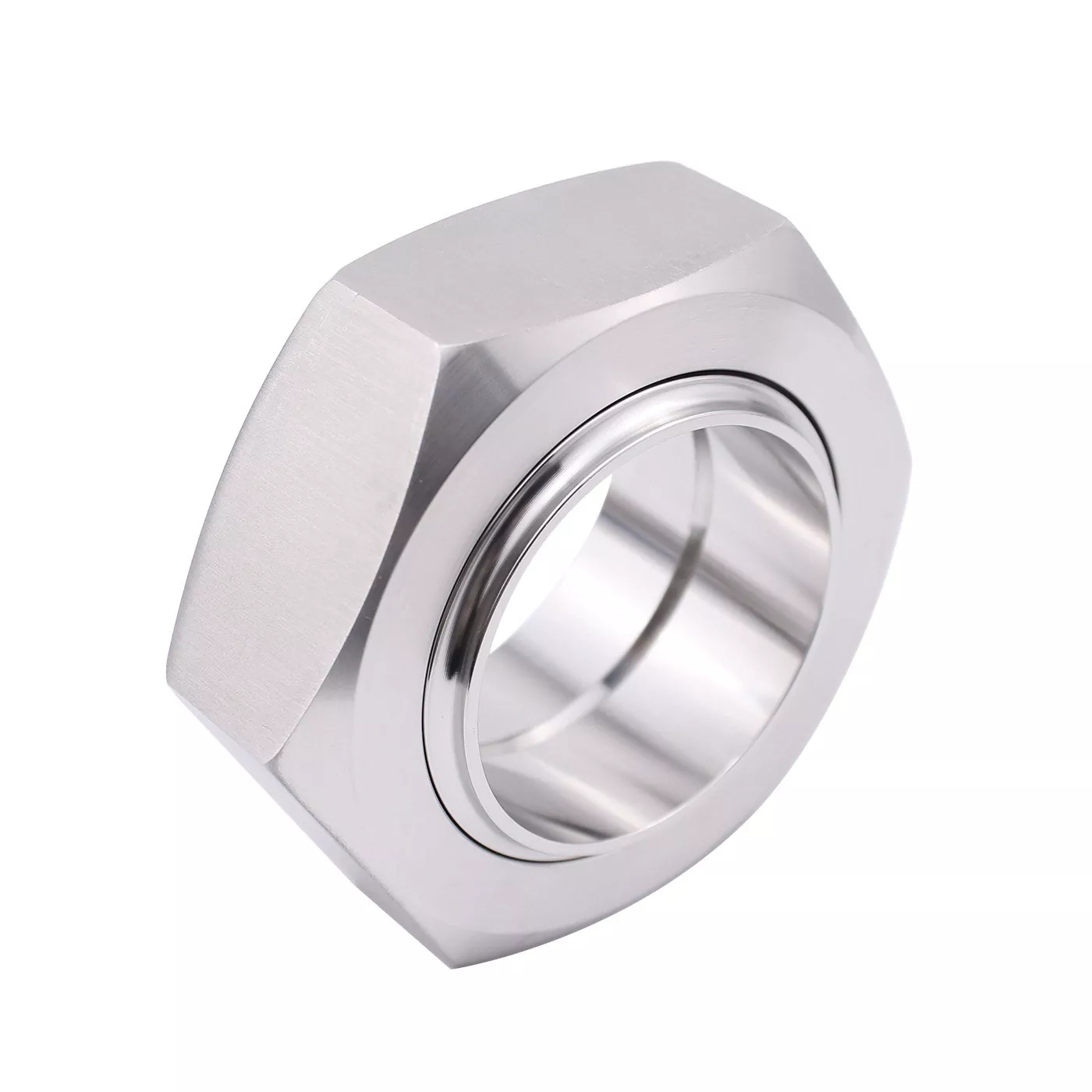
3A Sanitary Stainless Steel Union Fittings are precision-engineered pipe connection components designed for hygienic processing systems. They are manufactured according to 3-A sanitary requirements and are commonly used in industries where cleanliness, corrosion resistance and safe fluid handling are critical.
Unlike ordinary industrial pipe fittings, sanitary unions focus on minimizing contamination risks. Their smooth internal structure helps reduce product residue accumulation, while the detachable connection design allows operators to inspect, clean and maintain pipeline sections more efficiently.
A complete 3A union fitting system usually consists of connection components such as a male part, liner, nut and sealing elements depending on the design type. Stainless steel grades including SS304 and SS316L are widely used because they provide good corrosion resistance and compatibility with cleaning processes. :contentReference[oaicite:0]{index=0}
- Designed for hygienic fluid processing systems
- Available in SS304 and SS316L stainless steel materials
- Supports clean-in-place (CIP) cleaning requirements
- Provides convenient installation and maintenance
- Suitable for food, dairy, beverage and pharmaceutical pipelines
How Do These Union Fittings Improve Hygienic Pipeline Performance?
In sanitary processing environments, even small design weaknesses can influence product quality. Traditional pipe connections may create dead zones where liquids remain trapped, increasing cleaning difficulty and maintenance costs.
3A sanitary union fittings address these challenges through controlled geometry, accurate machining and smooth surface finishing. The connection area is designed to maintain continuous fluid flow while reducing areas where bacteria or product particles may accumulate.
1. Better Cleaning Efficiency
Food and pharmaceutical manufacturers frequently perform CIP or sterilization procedures. A properly designed sanitary union allows cleaning solutions to reach critical areas effectively, helping maintain consistent production hygiene.
2. Reduced Maintenance Downtime
Production lines often need regular inspection or component replacement. Detachable union connections allow technicians to disassemble sections quickly without replacing complete pipeline assemblies.
3. Stable Fluid Transfer
High-quality stainless steel construction provides resistance against corrosion caused by moisture, chemicals and cleaning agents, supporting reliable operation under demanding conditions.
Key Design Features for Industrial Applications
Choosing sanitary fittings is not only about matching pipe dimensions. The design details directly influence system safety, cleaning performance and service life.
| Design Factor | Importance |
|---|---|
| Material Grade | Determines corrosion resistance and suitability for different fluids. |
| Surface Finish | Smoother surfaces help reduce residue accumulation. |
| Connection Structure | Affects installation efficiency and sealing reliability. |
| Dimensional Accuracy | Ensures compatibility with existing sanitary pipelines. |
| Manufacturing Control | Supports consistent performance between production batches. |
Precision Machining for Consistent Connections
Industrial buyers often face problems caused by inconsistent dimensions, unstable sealing performance or difficult installation. Professional manufacturers use CNC machining and strict inspection procedures to maintain fitting accuracy.
DINGYUE focuses on precision stainless steel sanitary components, combining machining technology with quality control processes to support customers requiring reliable hygienic pipeline solutions.
Material Selection and Surface Treatment Considerations
Material choice directly affects the service performance of sanitary fittings. Different industries may require different levels of corrosion resistance and cleanliness.
| Material | Main Characteristics | Common Applications |
|---|---|---|
| SS304 | Good corrosion resistance and economical performance | Food processing, beverage and general sanitary pipelines |
| SS316L | Enhanced resistance to chemicals and chloride environments | Pharmaceutical, biotechnology and high-purity applications |
Why Surface Finish Matters
The inner surface quality of sanitary fittings influences cleaning effectiveness and product safety. Polished surfaces with controlled roughness help reduce material attachment and make cleaning procedures more efficient.
For industries handling sensitive fluids, surface treatment is an important purchasing consideration alongside material grade and connection design.
How to Choose the Right Sanitary Union Fittings?
Selecting suitable 3A sanitary stainless steel union fittings requires a complete evaluation of operating conditions instead of focusing only on size and price.
- Identify the Fluid Characteristics: Consider whether the pipeline handles water, dairy products, chemicals, pharmaceutical liquids or other media.
- Confirm Material Requirements: Select SS304 or SS316L according to corrosion resistance requirements.
- Check Connection Compatibility: Ensure the union design matches existing tubes, valves and equipment.
- Evaluate Cleaning Requirements: Systems requiring frequent CIP or sterilization should prioritize hygienic designs.
- Review Manufacturing Capability: Stable production processes help maintain consistent quality for large-volume purchasing.
Purchasing Checklist
| Question | Purpose |
|---|---|
| What stainless steel grade is required? | Ensures corrosion resistance matches working conditions. |
| What pipeline standard is needed? | Guarantees proper installation compatibility. |
| What surface finish is required? | Supports hygiene and cleaning performance. |
| Is customized production available? | Helps meet special project requirements. |
Common Applications Across Industries
3A sanitary union fittings are widely used wherever hygienic fluid transfer is required.
| Industry | Application Examples |
|---|---|
| Food & Beverage | Milk processing lines, beverage production, fermentation systems |
| Pharmaceutical | Purified water systems, liquid medicine production |
| Biotechnology | High-cleanliness process pipelines |
| Cosmetics | Ingredient transfer and mixing equipment |
As production standards continue improving, manufacturers increasingly require sanitary connection components that provide both operational efficiency and long-term reliability.
FAQ About 3A Sanitary Stainless Steel Union Fittings
Q1: What materials are commonly used for 3A sanitary union fittings?
SS304 and SS316L stainless steel are commonly selected. SS316L is often preferred for applications requiring stronger corrosion resistance or higher cleanliness requirements.
Q2: Are 3A sanitary union fittings suitable for pharmaceutical systems?
Yes. These fittings are commonly applied in pharmaceutical and biotechnology processing systems where hygienic design and reliable cleaning performance are important.
Q3: How can sanitary union fittings reduce maintenance costs?
Their detachable structure allows easier inspection, cleaning and replacement of pipeline sections, reducing downtime during maintenance operations.
Q4: What should buyers check before ordering sanitary union fittings?
Buyers should confirm material grade, connection standard, size requirements, surface finish and manufacturing capability before placing an order.
Need Reliable 3A Sanitary Stainless Steel Union Fittings?
DINGYUE provides precision stainless steel sanitary fittings designed for food, beverage, pharmaceutical and high-cleanliness fluid processing industries. With professional manufacturing experience and customized solutions, we help global customers build safer and more efficient pipeline systems.
Contact us today to discuss your sanitary fitting requirements and receive a suitable solution for your project.
