

How Do Cable Clips Improve Cable Management and Installation Efficiency?
2026-07-31
Article Summary
Cable management plays an essential role in maintaining safe, organized, and efficient electrical systems in residential, commercial, and industrial environments. Poorly arranged cables can create safety risks, reduce equipment reliability, and increase maintenance costs. Cable clips provide a simple yet effective solution by securing wires, preventing movement, and improving overall installation quality.
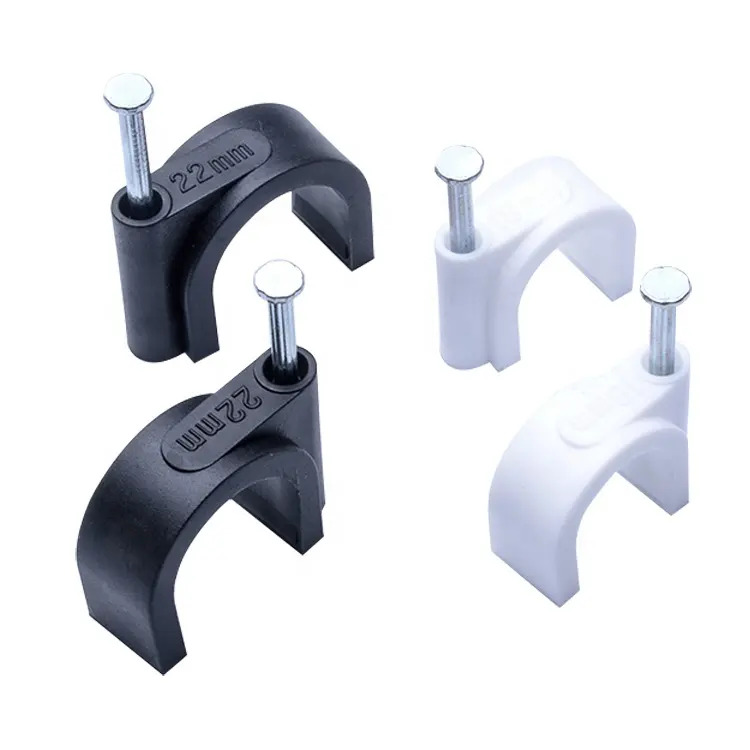
This article explains how Cable Clips work, why they are important, how to choose suitable cable fixing solutions, and how professional manufacturers such as YEGE help customers achieve reliable cable organization. Whether used in electrical projects, automation systems, communication networks, or household applications, high-quality Cable Clips offer long-term value through stability, durability, and convenience.
Table of Contents
- 1. Introduction: Why Cable Management Matters
- 2. How Cable Clips Work
- 3. Main Advantages of Using Cable Clips
- 4. Common Types of Cable Clips and Their Applications
- 5. How to Choose the Right Cable Clips
- 6. Installation Tips for Better Cable Organization
- 7. Common Cable Management Problems and Solutions
- 8. Why Choose YEGE for Cable Clip Solutions
- 9. Frequently Asked Questions About Cable Clips
- 10. Conclusion
1. Introduction: Why Cable Management Matters
Modern electrical and electronic systems depend on large numbers of cables to transfer power, signals, and data. From industrial control panels to office networks and household wiring, cables must remain properly positioned to ensure safe and stable operation.
Without effective cable management, wires may become tangled, damaged, or disconnected due to vibration, pressure, or environmental conditions. Loose cables can also affect the appearance of installations and make future maintenance more difficult.
Cable Clips are small but highly practical components designed to solve these challenges. By fixing cables securely to walls, panels, equipment surfaces, or other structures, they help create cleaner installations while extending cable service life.
2. How Cable Clips Work
Cable Clips work by providing a stable fixing point that holds cables in a specific position. Most designs include a clip structure that grips the cable and a fixing method such as adhesive backing, nails, screws, or mounting holes.
During installation, cables are placed inside the clip opening and secured against the mounting surface. The clip applies controlled pressure around the cable, preventing unwanted movement while avoiding excessive compression that could damage insulation.
The basic working process includes:
- Cable positioning: The installer places wires or cables along the required route.
- Clip attachment: The Cable Clip is fixed onto the mounting surface.
- Cable securing: The cable is pressed into the clip and held firmly.
- System organization: Multiple clips create a clean and structured cable layout.
Different environments require different clip designs. Industrial applications may require stronger materials and higher temperature resistance, while household projects may focus more on convenience and easy installation.
3. Main Advantages of Using Cable Clips
Choosing the right Cable Clips can significantly improve installation performance. Their benefits extend beyond simple cable fixing and contribute to safety, efficiency, and long-term reliability.
- Improved Safety: Securely fixed cables reduce the possibility of tripping hazards, accidental pulling, and cable damage.
- Better Organization: Cable Clips create neat wiring arrangements, making systems easier to inspect and maintain.
- Extended Cable Lifespan: Proper support reduces bending stress, abrasion, and unnecessary movement.
- Faster Installation: Professional cable fixing solutions help installers complete projects more efficiently.
- Cost Reduction: Organized cables simplify troubleshooting and reduce maintenance time.
For businesses managing complex electrical installations, these advantages can improve operational efficiency and reduce unexpected downtime.
4. Common Types of Cable Clips and Their Applications
Cable Clips are available in various designs to meet different installation requirements. Selecting the correct type ensures better performance and stronger cable protection.
- Nail Cable Clips: Commonly used for quick installation on wood, walls, and basic construction surfaces.
- Adhesive Cable Clips: Suitable for temporary or lightweight cable management where drilling is not preferred.
- Screw Fixed Cable Clips: Provide stronger holding force for industrial and permanent installations.
- Multi-Cable Clips: Designed to organize multiple wires together and improve space utilization.
- Special Material Cable Clips: Manufactured with materials designed for heat resistance, corrosion resistance, or outdoor environments.
Applications include:
- Electrical wiring systems
- Communication equipment
- Computer and networking installations
- Automotive wiring
- Industrial machinery
- Home appliance cable organization
5. How to Choose the Right Cable Clips
The correct Cable Clips should match the cable size, installation environment, and performance requirements. Choosing unsuitable clips may lead to weak fixing or unnecessary replacement costs.
Important selection factors include:
- Cable Diameter: The clip size should securely hold the cable without excessive pressure.
- Material Quality: High-quality plastic or metal materials provide better durability and reliability.
- Installation Environment: Outdoor, high-temperature, or industrial conditions require specialized solutions.
- Fixing Method: Consider whether adhesive, screws, nails, or other mounting methods are appropriate.
- Load Requirements: Heavy cables require stronger support structures.
A professional supplier can help customers select suitable products based on specific project requirements.
6. Installation Tips for Better Cable Organization
Proper installation ensures Cable Clips perform effectively throughout their service life. Following professional installation practices can improve reliability and appearance.
- Plan the cable route before installation.
- Keep cables away from sharp edges and heat sources.
- Maintain appropriate spacing between clips.
- Avoid overloading a single clip with too many cables.
- Check fixing strength after installation.
- Leave enough flexibility for cable movement when necessary.
A well-designed cable management system not only looks professional but also improves future maintenance efficiency.
7. Common Cable Management Problems and Solutions
-
Problem: Loose and Hanging Cables
Solution: Use suitable Cable Clips to create secure fixing points. -
Problem: Difficult Maintenance Access
Solution: Arrange cables in organized routes for easier inspection. -
Problem: Cable Damage from Movement
Solution: Select clips that provide stable support and reduce vibration. -
Problem: Poor Installation Appearance
Solution: Use consistent cable fixing methods to create clean layouts.
8. Why Choose YEGE for Cable Clip Solutions
YEGE focuses on providing reliable cable management products designed for different application environments. With attention to product quality, manufacturing standards, and customer requirements, YEGE helps clients achieve safer and more efficient cable installation solutions.
Professional Cable Clips from YEGE are developed to provide dependable fixing performance, stable structure, and convenient installation. Whether customers need solutions for electrical projects, industrial equipment, or daily cable organization, YEGE can provide products suitable for various requirements.
By combining practical design with manufacturing experience, YEGE supports customers in improving cable management efficiency and reducing installation challenges.
9. Frequently Asked Questions About Cable Clips
Q1: What are Cable Clips mainly used for?
Cable Clips are mainly used to secure and organize cables, wires, and electrical lines. They prevent movement, improve safety, and create cleaner installations.
Q2: Can Cable Clips be used outdoors?
Yes. Some Cable Clips are designed with weather-resistant materials suitable for outdoor applications. The correct product should be selected according to environmental conditions.
Q3: How do I choose the correct Cable Clip size?
The clip size should match the cable diameter. A properly sized clip should hold the cable securely without damaging the outer insulation.
Q4: Are Cable Clips reusable?
Some types can be reused, while others are designed for permanent installation. The reuse capability depends on the product structure and fixing method.
Q5: Why is professional Cable Clip quality important?
High-quality Cable Clips provide stronger holding performance, better durability, and more reliable protection for cable systems.
10. Conclusion
Cable Clips are essential components for creating safe, organized, and reliable cable management systems. Although they are small parts, their role in protecting cables, improving installation efficiency, and reducing maintenance difficulties is significant.
By understanding cable requirements, installation conditions, and product features, customers can choose the right Cable Clips for their projects. YEGE provides dependable cable management solutions designed to meet different application needs.
For professional Cable Clip products and customized cable organization solutions, contact us today and let YEGE help you create safer and more efficient cable management systems.
