

How Do Diaphragm Seals Improve Measurement Accuracy?
2026-04-17
Abstract: Diaphragm seals are critical components in pressure measurement systems, providing accuracy, protection, and reliability in harsh environments. This article explores the principles, benefits, types, installation guidelines, and common challenges of diaphragm seals to help engineers and industrial users optimize their measurement systems.
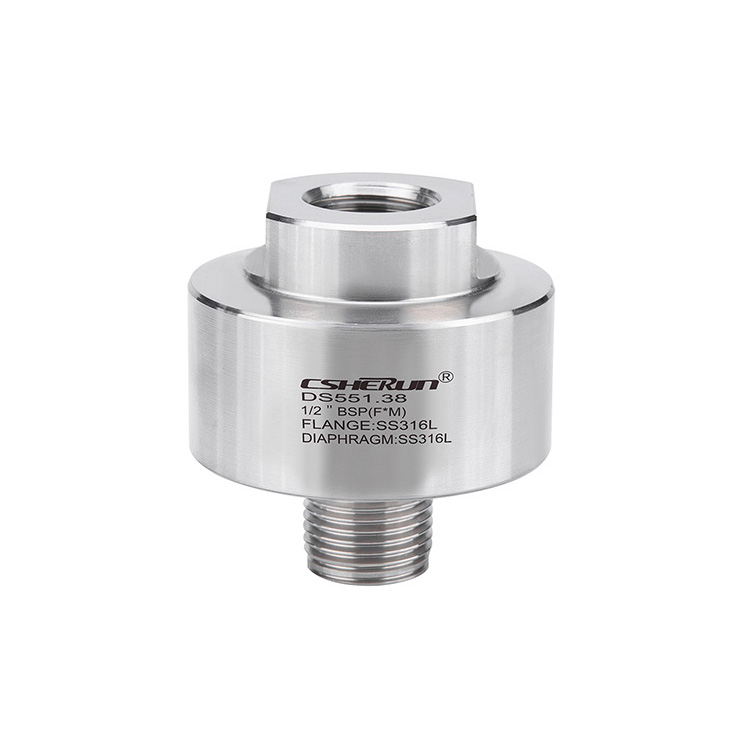
Table of Contents
- Introduction to Diaphragm Seals
- Principle of Diaphragm Seals
- Types of Diaphragm Seals
- Advantages of Using Diaphragm Seals
- Installation and Maintenance Guidelines
- Common Troubleshooting Issues
- FAQ
Introduction to Diaphragm Seals
Diaphragm seals, also known as chemical seals, are devices that isolate pressure measurement instruments such as gauges, transmitters, or switches from process fluids. They serve as a barrier between aggressive or viscous media and sensitive measurement devices. Companies like CSHERUN specialize in high-quality diaphragm seals tailored for diverse industrial applications.
Modern industries rely heavily on accurate pressure measurement for safety and process control. Without diaphragm seals, measuring instruments can suffer from corrosion, clogging, and reduced lifespan.
Principle of Diaphragm Seals
The working principle of a diaphragm seal is simple yet effective. It uses a flexible membrane to transmit pressure from the process fluid to the measuring instrument through a fill fluid. The diaphragm responds to process pressure changes, and the fill fluid conveys the mechanical movement or pressure to the sensor.
Key components include:
- Diaphragm: Thin, flexible metal or elastomer that isolates the process fluid.
- Fill fluid: Incompressible fluid that transmits pressure accurately.
- Pressure instrument interface: Connection point for gauges or transmitters.
This principle ensures that even highly corrosive or abrasive media do not reach the measuring device, enhancing accuracy and longevity.
Types of Diaphragm Seals
Diaphragm seals are categorized based on materials and design. Choosing the right type is essential for optimal performance.
| Type | Material | Application | Advantages |
|---|---|---|---|
| Metal Diaphragm Seal | Stainless steel, Hastelloy | High temperature, corrosive fluids | Durable, high chemical resistance |
| Elastomer Diaphragm Seal | Viton, EPDM | Food, pharmaceutical, low-pressure systems | Flexible, cost-effective |
| Remote Diaphragm Seal | Stainless steel with capillary | Hard-to-reach or vibrating locations | Remote sensing, safe installation |
Advantages of Using Diaphragm Seals
Diaphragm seals offer multiple benefits to industrial users, including:
- Protection of instruments: Prevents corrosion and clogging from harsh media.
- Enhanced measurement accuracy: Maintains reliable readings even in challenging conditions.
- Extended equipment lifespan: Reduces maintenance and replacement frequency.
- Versatility: Compatible with a wide range of fluids and temperatures.
- Safety: Minimizes exposure to hazardous fluids for personnel.
Installation and Maintenance Guidelines
Proper installation is critical for diaphragm seal performance. Follow these key guidelines:
- Ensure the diaphragm is clean and free from debris before installation.
- Use the correct fill fluid compatible with both the diaphragm and process fluid.
- Follow manufacturer torque specifications to avoid over-tightening.
- Check for leaks periodically and perform regular calibration of connected instruments.
Routine maintenance can prevent failures and ensure accurate pressure readings over time.
Common Troubleshooting Issues
Even with proper installation, diaphragm seals may encounter problems. Common issues include:
- Signal drift: Caused by air bubbles in fill fluid or temperature changes.
- Leaks: Resulting from improper sealing or diaphragm damage.
- Corrosion: Using incompatible materials with aggressive fluids.
Table of troubleshooting methods:
| Issue | Cause | Solution |
|---|---|---|
| Signal drift | Air in fill fluid | Bleed air, replace fill fluid |
| Leaks | Loose connections | Retighten fittings, inspect diaphragm |
| Corrosion | Material incompatibility | Select compatible diaphragm material |
FAQ
Q1: Can diaphragm seals be used with high-temperature fluids?
Yes, metal diaphragm seals, especially stainless steel and Hastelloy, can handle high-temperature applications.
Q2: How often should diaphragm seals be inspected?
Inspection frequency depends on application conditions, but generally every 6–12 months is recommended.
Q3: Are diaphragm seals suitable for sanitary applications?
Yes, elastomer diaphragms such as Viton or EPDM are commonly used in food, beverage, and pharmaceutical processes.
At CSHERUN, we provide customized diaphragm seal solutions designed to enhance measurement accuracy and reliability across industrial applications. Our team ensures that every diaphragm seal meets the highest standards for performance and durability. For more information or personalized consultation, please contact us.
