

How Do Excavator Cylinder Sleeves Improve Engine Performance and Durability?
2026-03-12
Article Summary
Excavators operate under extreme workloads, high temperatures, and continuous pressure. One critical component that supports engine reliability is the excavator cylinder sleeve. This article explains how excavator cylinder sleeves function, why they are essential to engine performance, and how choosing the right sleeve can prevent costly downtime. Readers will learn about structure, materials, advantages, maintenance practices, and common purchasing concerns. The goal is to help equipment operators, maintenance managers, and procurement teams make informed decisions when selecting cylinder sleeves.
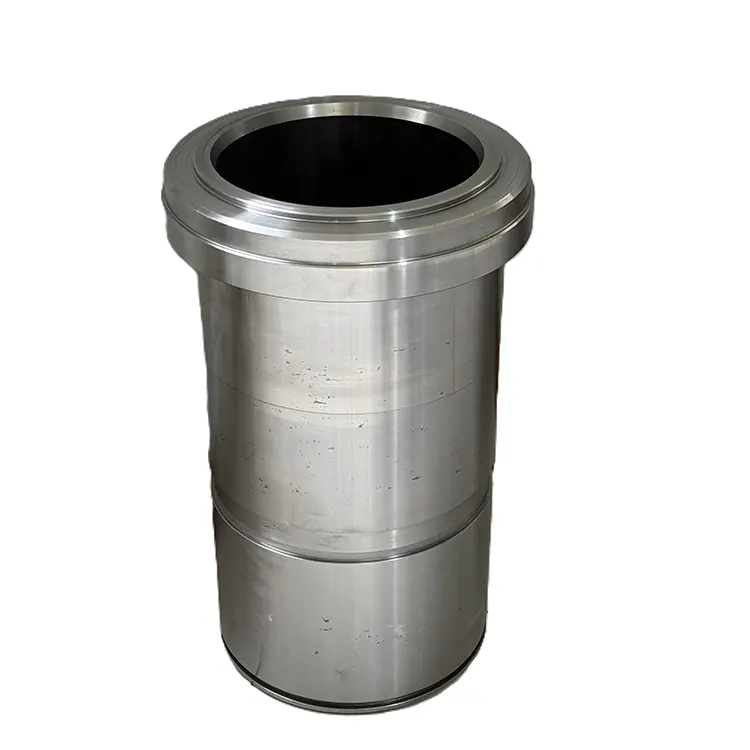
Table of Contents
- 1. Understanding Excavator Cylinder Sleeves
- 2. Why Cylinder Sleeves Are Critical in Excavator Engines
- 3. Structural Design and Material Composition
- 4. Key Benefits of High-Quality Cylinder Sleeves
- 5. Typical Specifications and Parameters
- 6. Signs of Cylinder Sleeve Wear or Failure
- 7. Maintenance Practices That Extend Service Life
- 8. Choosing a Reliable Cylinder Sleeve Supplier
- 9. Frequently Asked Questions
- 10. Conclusion
1. Understanding Excavator Cylinder Sleeves
Excavators are powerful machines used in construction, mining, infrastructure development, and earthmoving operations. Their engines must withstand heavy loads, constant vibration, and harsh working environments. Inside the engine block, the cylinder sleeve plays a critical role in ensuring stable operation.
An excavator cylinder sleeve is a cylindrical liner installed inside the engine cylinder block. It forms the inner wall where the piston moves up and down during combustion cycles. Instead of the piston contacting the engine block directly, the sleeve acts as a protective and replaceable surface.
This design brings several advantages. First, it reduces wear on the engine block itself. Second, when wear eventually occurs, the sleeve can be replaced without replacing the entire engine block. This significantly lowers repair costs and reduces machine downtime.
2. Why Cylinder Sleeves Are Critical in Excavator Engines
During engine operation, combustion generates extremely high temperatures and pressure levels. The piston moves thousands of times per minute, creating friction against the cylinder wall. Without a durable liner, the engine block would rapidly wear out.
Cylinder sleeves perform several essential functions:
- Wear Resistance: They protect the engine block from continuous piston friction.
- Heat Dissipation: They help transfer heat from combustion to the cooling system.
- Compression Stability: A precisely machined sleeve ensures proper sealing for combustion pressure.
- Maintenance Efficiency: Sleeves can be replaced individually, simplifying engine overhauls.
For heavy-duty equipment such as excavators, reliability is critical. A damaged cylinder surface could lead to oil consumption, loss of compression, and eventually engine failure. High-quality cylinder sleeves significantly reduce this risk.
3. Structural Design and Material Composition
Excavator cylinder sleeves are engineered to endure extreme operating conditions. Their design focuses on strength, thermal stability, and resistance to wear and corrosion.
Most sleeves are manufactured using high-grade alloy cast iron or specially treated steel materials. These materials provide excellent hardness while maintaining sufficient flexibility to handle thermal expansion.
Typical manufacturing processes include:
- Precision centrifugal casting
- Heat treatment for improved hardness
- Honing for accurate internal surface finish
- Anti-corrosion surface treatment
The internal surface is usually cross-hatched through honing. This pattern helps retain lubricating oil, reducing friction between the piston rings and the cylinder wall.
4. Key Benefits of High-Quality Cylinder Sleeves
Selecting premium excavator cylinder sleeves offers several long-term operational advantages for heavy equipment owners.
Improved Engine Efficiency
A precisely machined sleeve ensures consistent piston movement and proper sealing. This allows the engine to maintain optimal compression and fuel combustion efficiency.
Longer Engine Service Life
Durable sleeves protect the engine block from wear, extending the overall lifespan of the engine system.
Reduced Maintenance Costs
Replacing a worn sleeve is far more economical than replacing an entire engine block. This modular repair approach saves time and cost.
Enhanced Thermal Stability
Quality materials help maintain dimensional stability even under extreme temperature fluctuations, preventing deformation or cracking.
5. Typical Specifications and Parameters
Although specifications vary depending on excavator engine models, the following table illustrates common parameters used for industrial cylinder sleeves.
| Parameter | Description |
| Material | Alloy Cast Iron / Special Wear-Resistant Iron |
| Hardness | HRC 45-60 depending on treatment process |
| Inner Surface Finish | Precision Honed Surface |
| Cooling Type | Dry Sleeve or Wet Sleeve |
| Diameter Range | Customized according to engine model |
| Surface Treatment | Anti-corrosion coating or nitriding |
| Application | Construction Excavators, Mining Equipment, Heavy Machinery |
Manufacturers such as Difon Machinery Co., Ltd. produce cylinder sleeves designed to meet demanding performance requirements for heavy-duty engines used in construction machinery.
6. Signs of Cylinder Sleeve Wear or Failure
Over time, even the most durable components can experience wear. Recognizing early warning signs allows operators to prevent severe engine damage.
Common symptoms include:
- Excessive engine oil consumption
- Loss of engine compression
- White or blue exhaust smoke
- Engine overheating
- Reduced engine power
If these symptoms appear, technicians should inspect the cylinder liner surface for scoring, corrosion, or deformation. Early replacement can prevent more expensive repairs later.
7. Maintenance Practices That Extend Service Life
Proper maintenance plays a crucial role in maximizing the lifespan of excavator cylinder sleeves.
- Regular Oil Changes: Clean engine oil minimizes abrasive wear.
- Proper Cooling System Maintenance: Efficient cooling prevents overheating.
- Use High-Quality Fuel: Cleaner combustion reduces internal deposits.
- Periodic Engine Inspections: Early detection of wear prevents major damage.
- Correct Installation: Precise fitting avoids distortion and sealing problems.
Professional installation and maintenance procedures significantly improve reliability and overall machine productivity.
8. Choosing a Reliable Cylinder Sleeve Supplier
For equipment owners and procurement teams, selecting the right supplier is just as important as choosing the correct product specification.
Key factors to evaluate include:
- Manufacturing experience and technical capability
- Precision machining equipment
- Material quality control
- Compatibility with multiple excavator engine brands
- Stable supply capacity for bulk orders
Difon Machinery Co., Ltd. focuses on precision machining and industrial components for construction machinery. Their excavator cylinder sleeves are manufactured using advanced processing technology to ensure durability, dimensional accuracy, and long service life under demanding operating conditions.
9. Frequently Asked Questions
Q1: What is the difference between wet and dry cylinder sleeves?
Wet sleeves are in direct contact with engine coolant, providing excellent heat dissipation. Dry sleeves are pressed into the engine block and rely on the block for cooling support. The choice depends on engine design.
Q2: How often should excavator cylinder sleeves be replaced?
Replacement intervals vary depending on operating conditions, maintenance practices, and engine design. In heavy construction environments, sleeves are often inspected during major engine overhauls.
Q3: Can worn cylinder sleeves cause engine overheating?
Yes. Excessive wear can disrupt heat transfer and combustion efficiency, leading to higher operating temperatures and potential engine damage.
Q4: Are cylinder sleeves compatible across different excavator brands?
Cylinder sleeves are typically designed for specific engine models. Always verify dimensions, material specifications, and compatibility before purchasing replacement components.
10. Conclusion
Excavator cylinder sleeves are a fundamental component that protects the engine block, maintains combustion efficiency, and supports long-term equipment reliability. Their durability, precision design, and replaceable structure make them essential for heavy-duty construction machinery.
Choosing high-quality cylinder sleeves ensures better engine performance, lower maintenance costs, and improved operational stability. Professional manufacturers such as Difon Machinery Co., Ltd. provide precision-engineered solutions designed to meet the demanding requirements of modern excavators.
If you are searching for durable excavator cylinder sleeves or need technical assistance selecting the correct specification, visit the product page for more information. Our engineering team is ready to help you find the most suitable solution for your equipment. Contact us today to discuss your project requirements and receive professional support.
