

How Do Hex Head Self Tapping Screws Enhance Structural Reliability and Future Fastening Performance?
2025-12-09
Hex head self tapping screws play a crucial role in modern manufacturing, construction, and metalworking due to their ability to create their own threads while delivering high mechanical stability. These screws are widely used in heavy-duty applications where strong torque, durable fastening, and excellent load distribution are required.
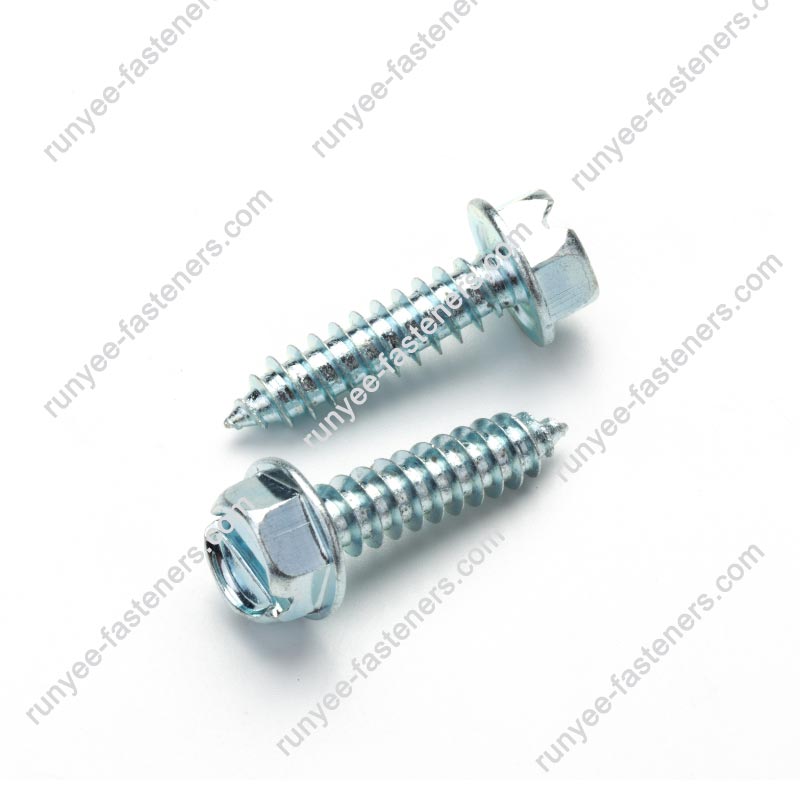
Overview of Hex Head Self Tapping Screws and Key Performance Features
Hex head self tapping screws are designed with a six-sided head and a sharp or drill-type tip capable of forming threads into materials such as metal, wood, and rigid plastics. Their structure supports high torque transmission, making them ideal for demanding environments where strong clamping force is required. These screws are recognized for simplifying installation, reducing assembly time, and enhancing long-term stability.
Product Parameters Overview
| Parameter Category | Specification Details |
|---|---|
| Head Type | Hexagonal head for high torque and wrench compatibility |
| Thread Type | Self tapping, coarse or fine thread options |
| Tip Style | Type A/B sharp point or Type D/F drill point |
| Material Options | Carbon steel, stainless steel 304/316, hardened steel |
| Surface Treatment | Zinc plating, hot-dip galvanizing, black oxide, nickel plating |
| Diameter Range | #6–#14, M3.5–M8 |
| Length Range | 10 mm – 150 mm |
| Applications | Metal fabrication, construction framing, automotive components, machinery housing, electrical installations |
The combination of durable materials, precise threading, and robust head geometry allows these screws to perform reliably even in high-stress environments such as structural connections or outdoor installations.
How Do Hex Head Self Tapping Screws Improve Installation Efficiency and Structural Performance?
The efficiency advantages of hex head self tapping screws stem from their ability to form threads independently. This eliminates the need for pre-tapping, separate threading tools, or additional preparation steps, reducing labor costs and speeding up project timelines.
Key Advantages in Practical Applications
1. Strong torque resistance
The hexagonal head distributes force evenly, preventing stripping and ensuring consistent torque application.
2. High pull-out and shear strength
The thread geometry increases contact surface area with the substrate, resulting in superior mechanical bond strength.
3. Excellent material adaptability
Suitable for stainless steel sheets, aluminum frames, hardwood, and reinforced plastics.
4. Reduced installation steps
Since tapping is unnecessary, installation becomes more streamlined, especially beneficial in mass-production environments.
5. Compatibility with power tools
The head design allows for easy gripping and stable torque transfer, improving installation precision.
6. Superior longevity
Corrosion-resistant coatings extend the lifespan of both the screw and the assembled structure.
The enhanced mechanical performance of hex head self tapping screws ultimately leads to more stable and durable assemblies, especially in metal-to-metal fastening where slippage or loosening can pose significant safety risks.
How Do Hex Head Self Tapping Screws Compare to Traditional Fasteners and What Are the Future Market Trends?
When comparing hex head self tapping screws with traditional fasteners such as machine screws or wood screws, several factors highlight their competitive advantage.
Comparative Advantages
1. Thread-forming capability vs. pre-tapped requirements
Traditional machine screws require pre-cut threads; self tapping screws eliminate this step.
2. Higher installation torque
The hex head design offers greater leverage compared to Phillips or slotted heads.
3. Enhanced structural strength
The threads cut firmly into the substrate, reducing the risk of loosening.
4. Versatility across industries
Applicable in automotive, construction, HVAC, marine engineering, and electrical assembly.
5. Lower long-term maintenance costs
The secure fit and corrosion resistance reduce the need for replacements or repairs.
Future Trends in Hex Head Self Tapping Screw Manufacturing
1. Advanced anti-corrosion treatments
Future surface technologies like nano-coatings and hybrid galvanic layers will increase rust resistance.
2. Application-specific thread designs
Manufacturers are developing thread geometries tailored for lightweight metals and eco-friendly materials.
3. Increased adoption in renewable energy structures
Wind turbines, solar panel frames, and battery housings require high-strength, vibration-resistant fasteners.
4. Automation-friendly fastener designs
As robotic assembly grows, screws with optimized feeding and alignment features will become standard.
5. Stronger focus on sustainability
Recyclable alloys and environmentally responsible plating methods will shape future manufacturing.
Industrial Applications, Installation Strategies, and Buyer Considerations
Hex head self tapping screws excel in environments requiring mechanical stability, torque strength, and corrosion resistance. Their robust structural attributes make them indispensable in the following sectors:
Major Application Fields
-
Metal roofing and cladding installation
-
Steel frame assembly and support structure fastening
-
Machinery and equipment housing
-
Automotive bodywork and industrial vehicle manufacturing
-
Electrical enclosures and infrastructure systems
-
Heavy-duty wood-to-metal joints
-
Air ducts, HVAC components, and mechanical housings
Key Considerations for Selecting the Right Screw
1. Match thread type to material hardness
Hard materials require finer, sharper threads; softer materials benefit from coarse threads.
2. Choose proper length and diameter
Insufficient embedment reduces holding power; excessive length can compromise internal structures.
3. Prioritize surface finish based on environment
Outdoor or marine environments require stronger corrosion resistance such as hot-dip galvanizing or stainless steel 316.
4. Evaluate installation torque requirements
Hex heads handle higher torque, making them a better choice for heavy-load connections.
5. Confirm compliance with regional standards
Certifications such as DIN, ISO, ANSI ensure reliable performance and compatibility.
Common FAQ
Q: What makes hex head self tapping screws more secure compared to Phillips head self tapping screws?
A: The hex head provides superior torque transfer and better grip, reducing the risk of cam-out during installation. This leads to a tighter, more reliable connection, especially in metal-to-metal fastening where torque requirements are higher.
Q: Can hex head self tapping screws be used on stainless steel sheets without damaging the material?
A: Yes, but the correct screw type must be chosen. A hardened self drilling tip or a sharp point with lubricated coating is recommended to ensure clean thread formation. Proper torque control prevents deformation while ensuring high pull-out strength.
How Will Hex Head Self Tapping Screws Continue to Shape Industrial Fastening?
Hex head self tapping screws deliver exceptional structural strength, installation efficiency, and long-term reliability. Their ability to create firm, stable threads in various materials makes them indispensable across industrial sectors that demand high performance and durability. As manufacturing technologies evolve, these screws will continue to benefit from enhanced corrosion resistance, precision engineering, and automation-ready designs.
For professionals seeking high-quality fasteners with consistent performance, RUNYEE factory provides advanced production capabilities, strict quality control, and customized specifications tailored to demanding industrial applications. To explore customized options or request technical support, contact us to learn more about how these screws can improve your assembly performance.
