

How Do Mobile Crane Hydraulic Cylinders Contribute to Stable Operations on Construction Sites?
2026-11-16
A mobile crane is only as stable as the hydraulic package that holds the boom, extends the outriggers, and controls the load. On a crowded site, the difference between a safe lift and a near miss often comes down to whether the cylinders hold pressure without drift, resist side loads from uneven ground, and cushion the shock when the boom stops. This article looks at the design and verification points that make Mobile Crane Hydraulic Cylinders a stability component rather than a simple actuator. Raydafon Technology Group Co.,Limited has been manufacturing hydraulic cylinders for construction equipment for over 20 years, and our engineering team treats stability as a system property that starts at the cylinder specification.
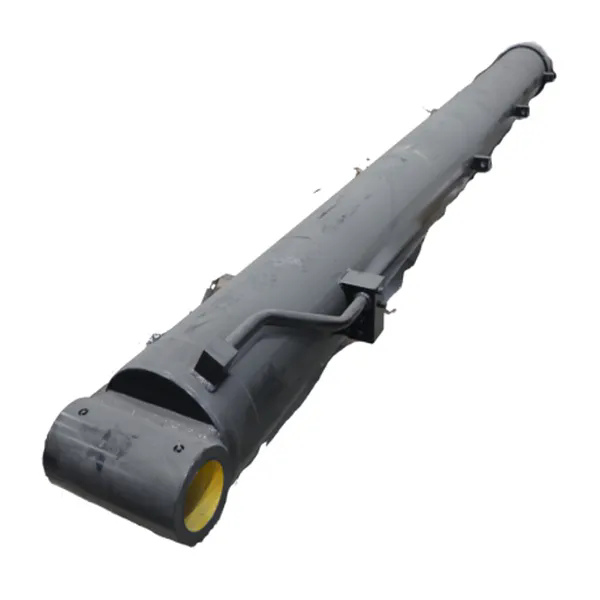
1. Why Does Load Holding Depend on Cylinder Internal Leakage Control?
A crane boom or outrigger can drift even when the control valve is closed. The drift comes from internal leakage past the piston seal and from the compressibility of the oil under load. If the leakage is too high, the cylinder loses position, the boom settles, and the operator must correct the pressure repeatedly. On a site with workers below the load, that settlement is a serious risk. Our engineering team specifies the piston seal and the barrel bore tolerance together so that the leakage stays within a defined limit at the rated pressure. Our factory tests each cylinder at proof pressure and records the pressure holding result before shipment.
The load holding also depends on the counterbalance valve and on the hose and fitting integrity. A cylinder with a good seal but a leaking hose connection will still drift. For this reason, the stability check includes the whole circuit, not just the cylinder. Mobile Crane Hydraulic Cylinders are supplied with the recommended counterbalance setting and the port size that matches the crane manufacturer's hose schedule. Raydafon Technology Group Co.,Limited reviews the circuit with the crane builder before the cylinder is released.
2. How Do Cylinder Rod and Bearing Design Resist Side Loads on Uneven Ground?
Mobile cranes operate on compacted fill, concrete slabs, and temporary mats. The outrigger floats and the boom pivot points experience side loads that are not purely axial. If the cylinder rod is guided by a short bearing, the side load transfers to the rod seal and the gland, and the seal wears quickly. Our design uses a long rod bearing and a hardened rod surface to spread the side load over a larger area. The rod is induction hardened and chrome plated, and the bearing length is selected from the expected side load and the stroke. Our test rig applies a controlled side load while the cylinder cycles, and our production line records the rod runout after assembly.
The mounting arrangement also matters. A cylinder with a rigid clevis at both ends transfers the side load to the pins, while a cylinder with a spherical bearing at the rod end can accommodate a small misalignment. For outrigger cylinders that see the highest side load, we recommend a spherical bearing and a rod bearing length of at least 1.5 times the rod diameter. Mobile Crane Hydraulic Cylinders are available with both mounting styles, and our design office reviews the pin diameter and the bracket stiffness with the crane manufacturer.
3. What Role Does Cushioning Play in Preventing Boom and Outrigger Shock?
When a boom is lowered or an outrigger is retracted, the cylinder reaches the end of its stroke with kinetic energy that must be absorbed. Without cushioning, that energy becomes a pressure spike that travels through the hose, the valve, and the structure. The spike loosens fittings, cracks welds, and disturbs the load. Our cylinders use a cushion collar at the end of the stroke that traps oil and forces it through a narrow orifice, which slows the piston before it reaches the end cap. Our assembly line sets the cushion screw to the recommended position and verifies the deceleration with a pressure trace. Raydafon Technology Group Co.,Limited supplies the cushion setting and the recommended bleed procedure with each cylinder.
The cushioning must be matched to the load and the speed. A cushion that is too tight causes a hard stop at low speed and slows the cycle. A cushion that is too open allows a shock at high speed. For a 70 tonne mobile crane, the boom hoist cylinder and the outrigger cylinder have different cushion requirements because the moving mass and the speed are different. Mobile Crane Hydraulic Cylinders are configured per axle position, and our factory keeps the cushion setting in the serial number record so that a replacement cylinder matches the original.
4. Why Does Seal and Surface Protection Matter in Dusty Construction Environments?
Construction sites expose the rod to cement dust, sand, and water. If the wiper seal does not remove the abrasive particles from the rod, the particles reach the rod seal and grind the sealing lip. The result is a leak that starts slowly and then accelerates. Our cylinders use a double lip wiper and a filled polyurethane rod seal that resists abrasion. The rod surface is polished to a low roughness so that the wiper can clean it effectively. Our seal supplier provides the compound data, and our factory verifies the seal groove dimensions on every gland.
The external surface also needs protection. The barrel and the end caps are painted or plated to resist corrosion, and the rod is protected by a boot where the application allows. For sites near the coast, we recommend a stainless steel rod or a thicker chrome layer. Mobile Crane Hydraulic Cylinders can be specified with a marine environment package that includes a higher chrome thickness and stainless steel fittings. Our field service team can advise on the protection level for the site conditions.
5. How Should Site Engineers Verify Cylinder Performance Before Lifting Operations?
The verification should start before the crane is dispatched. The cylinder test record should show the proof pressure, the pressure holding result, the cushion setting, and the rod runout. On site, the engineer should check for external leakage at the gland and the ports, and should cycle the boom and the outriggers through the full stroke while watching for drift and unusual noise. A cylinder that drifts more than the manufacturer's limit should be removed from service. Our factory provides a field check sheet with each cylinder delivery, and our field service team can attend the first lift for a new crane model.
The engineer should also check the hydraulic oil condition. Water or particulate contamination in the oil accelerates seal wear and can cause the cylinder to drift. A simple oil sample test at the start of the project establishes a baseline, and a repeat test at the first service interval shows whether the oil is within specification. Mobile Crane Hydraulic Cylinders are designed for a defined oil cleanliness level, and our factory states that level on the cylinder data sheet. Raydafon Technology Group Co.,Limited recommends the oil cleanliness target and the filter rating for each cylinder series.
| Parameter | Typical specification | Stability contribution |
| Bore diameter | 100 to 250 mm | Determines load capacity at rated pressure |
| Rod diameter | 70 to 180 mm | Resists buckling and side load |
| Rated pressure | 250 to 350 bar | Sets the working load envelope |
| Proof pressure | 1.5 times rated pressure | Confirms pressure holding before delivery |
| Rod surface | Induction hardened and chrome plated | Reduces wear and seal damage |
| Rod bearing length | At least 1.5 times rod diameter | Spreads side load on uneven ground |
| Cushioning | Adjustable at both ends | Prevents end of stroke shock |
| Wiper seal | Double lip polyurethane | Keeps abrasive dust off the rod |
| Oil cleanliness target | ISO 18/16/13 or better | Protects seals and reduces drift |
| Operating temperature | minus 20 to plus 80 degrees Celsius | Maintains seal performance across seasons |
| Stability risk on site | Hydraulic design response | Verification point |
| Boom settles under load | Low leakage piston seal and correct counterbalance setting | Pressure holding test at proof pressure |
| Rod seal wears on uneven ground | Long rod bearing and hardened chrome rod | Side load test and rod runout record |
| Shock at end of stroke | Adjustable cushion at both ends | Pressure trace during deceleration |
| Dust ingress at the gland | Double lip wiper and polished rod | Seal groove dimension check |
| Corrosion near the coast | Thicker chrome and stainless fittings | Material certificate and coating thickness |
Frequently Asked Questions
Stable crane operation depends on more than the lifting capacity on the load chart. It depends on the cylinder holding pressure without drift, resisting side load without damaging the rod seal, cushioning the end of stroke without shock, and keeping abrasive dust away from the sealing surfaces. The specification, the test record, and the field check sheet together provide the evidence that the hydraulic package is ready for the lift. Raydafon Technology Group Co.,Limited supplies Mobile Crane Hydraulic Cylinders with the pressure holding record, the cushion setting, and the oil cleanliness target, and our field service team supports the first lift for new crane models.
