

How Do PUR Insulation Panels Contribute To Sustainable Building Design
2026-02-11
In the pursuit of creating environmentally responsible structures, every material choice carries significant weight. Among the most impactful components is the building envelope's insulation. PUR Insulation Panel technology, particularly the advanced solutions developed by HANYORK, stands at the forefront of this sustainable design revolution, offering a powerful combination of performance and eco-efficiency.
The contribution of PUR Insulation Panels to sustainability is multifaceted, addressing core principles of energy conservation, resource efficiency, and long-term environmental impact.
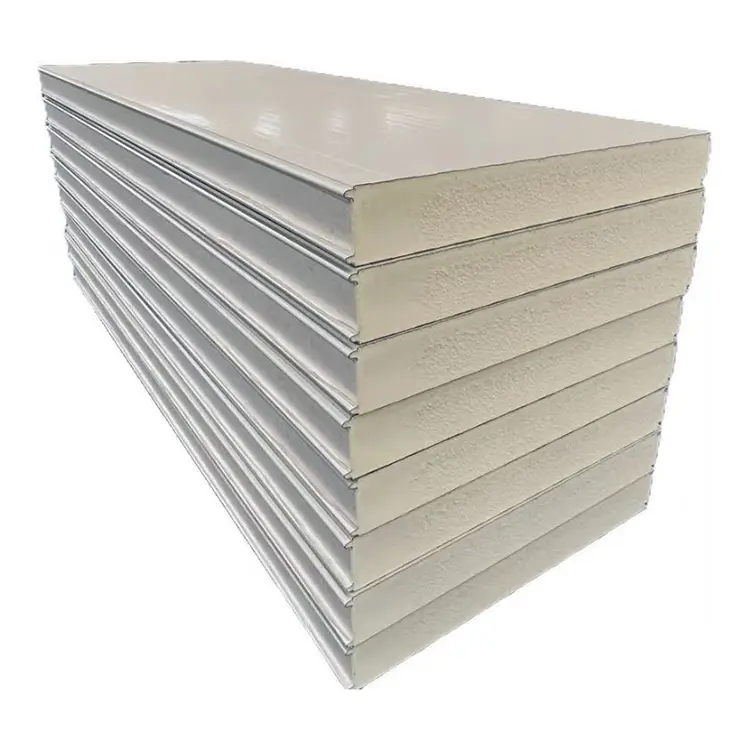
Key Sustainable Benefits of PUR Panels:
-
Superior Thermal Efficiency: With one of the highest R-values per inch among common insulation materials, HANYORK PUR panels drastically reduce heating and cooling energy demand, lowering a building's operational carbon footprint for decades.
-
Reduced Material Usage: Their exceptional performance allows for thinner wall and roof constructions while achieving the same or better insulation levels, optimizing material use and increasing usable space.
-
Durability and Longevity: PUR Insulation Panels are resistant to moisture absorption and degradation, maintaining their insulating properties over the building's lifespan without settling or losing effectiveness, which minimizes waste from replacements.
-
Enhanced Airtightness: When installed as part of a sealed system, these panels create a continuous barrier that eliminates thermal bridging and uncontrolled air leakage, further boosting energy efficiency.
To quantify their advantage, consider this comparative analysis:
| Sustainability Factor | PUR Insulation Panel (e.g., HANYORK) | Traditional Batt Insulation |
|---|---|---|
| Thermal Performance (R-value/inch) | High (Typically R-6 to R-7) | Moderate (Typically R-3 to R-4) |
| Long-Term Performance Stability | Excellent (Resists moisture & settling) | Can degrade if wet or settle over time |
| Contribution to Building Airtightness | Excellent (Forms continuous barrier) | Poor (Requires separate air barrier) |
| Resource Efficiency | High (Less material for same performance) | Lower |
PUR Insulation Panel FAQ
What makes PUR panels more sustainable than other foam insulations?
The primary sustainability driver is their unmatched thermal efficiency, which leads to greater energy savings over the building's lifetime. Furthermore, high-quality panels from manufacturers like HANYORK often incorporate recycled content and use blowing agents with low global warming potential (GWP), reducing the product's embodied environmental impact.
Can PUR Insulation Panels be recycled at the end of their life?
While post-consumer recycling streams for foam panels are still developing, the extreme durability of PUR Insulation Panels means they last the lifetime of the building, delaying waste generation for 50+ years. HANYORK is actively engaged in industry initiatives to promote take-back and recycling programs, focusing on a circular economy model.
How do these panels contribute to green building certifications like LEED or BREEAM?
Using HANYORK PUR Insulation Panels can contribute to multiple credits in such systems, notably in the Energy and Atmosphere category for optimizing energy performance, and in the Materials and Resources category for their long lifecycle and potential recycled content. Their role in creating a high-performance building envelope is fundamental to achieving certification.
The path to a greener built environment is built on intelligent material science. By specifying high-performance PUR Insulation Panels from an industry leader like HANYORK, architects and builders make a decisive choice for energy efficiency, resource conservation, and enduring quality. This investment pays dividends not only in reduced operational costs but also in achieving genuine, measurable sustainability goals.
Ready to integrate superior sustainable insulation into your next project? Contact us today to request technical specifications, samples, or to consult with our experts at HANYORK.
