

How Do Rock Wool Panels Perform in Extreme Temperature and Moisture Conditions
2026-01-22
When specifying insulation for projects that face environmental extremes, performance under stress is paramount. Rock wool panels, a staple in high-performance building envelopes, are engineered to excel precisely in these challenging scenarios. At HANYORK, we leverage the innate properties of stone wool to provide solutions that maintain integrity, safety, and efficiency whether confronting searing heat, freezing cold, or persistent moisture.
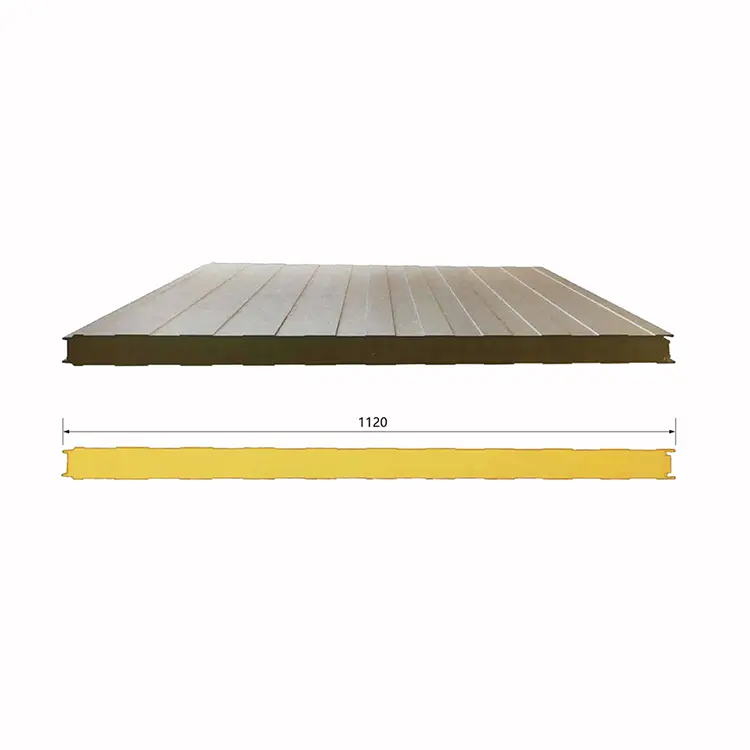
The superior performance stems from the material's unique structure. Rock wool panels are manufactured from molten basaltic rock and recycled slag, spun into a dense matrix of intertwined fibers. This creation process yields three critical benefits for extreme conditions:
-
Exceptional Thermal Stability: Unlike some materials that degrade or off-gas at high temperatures, rock wool is non-combustible and can withstand temperatures exceeding 1177°C (2150°F) without melting or losing structural integrity. In sub-zero conditions, it does not become brittle.
-
Moisture Resistance: The fibers are hydrophobic, meaning they repel liquid water. While vapor-permeable, allowing moisture to pass through without trapping it, the panels themselves do not absorb water, preventing sagging, rotting, and the insulation value from plummeting.
-
Dimensional Stability: The robust, semi-rigid form of HANYORK panels ensures they do not shrink, warp, or expand significantly with temperature fluctuations, maintaining a consistent thermal barrier and airtight fit over decades.
To quantify this performance, consider the following comparison:
| Condition | Performance of Rock Wool Panels | Key Benefit for the Building Envelope |
|---|---|---|
| High Heat / Fire | Non-combustible (A1 fire rating), no toxic smoke | Contains fire spread, enhances structural safety |
| Cyclic Freeze-Thaw | Maintains R-value, no physical degradation | Long-term thermal consistency in cold climates |
| Water Exposure | Repels liquid water, retains >99% of dry R-value when wet | Prevents mold, maintains performance after accidental exposure |
Rock Wool Panel FAQ Common Questions
What happens if rock wool panels get wet during construction
Rock wool is water-repellent. If exposed to rain during installation, simply allow the panels to dry. They will shed bulk water and retain their insulating properties, unlike materials that absorb moisture and require replacement.
Can rock wool panels be used in extremely cold climates like industrial freezers
Absolutely. Rock wool panels from HANYORK are ideal for cold storage and extreme climates. They remain dimensionally stable and effective at very low temperatures, providing reliable thermal insulation without cold bridging risks.
Are there any special installation requirements for panels in high-temperature applications
For applications like boiler insulation or firewall systems, standard installation practices apply due to the material's inherent heat resistance. However, always ensure joints are tightly butted and secured per manufacturer guidelines, like those provided by HANYORK, to maintain a continuous barrier.
Choosing the right insulation is a critical decision for the longevity and safety of your project. For environments that push materials to their limits, the proven resilience of rock wool panels is unmatched. Trust HANYORK's expertise and high-performance products to deliver a solution that stands firm against nature's extremes. Contact us today to discuss your specific requirements and receive tailored technical data sheets for your next project.
