

How Do Socket Screws Improve Mechanical Strength and Precision in Engineering Applications?
2026-06-25
Abstract
Socket screws are a fundamental fastening solution widely used in machinery, automotive systems, aerospace assemblies, and precision engineering structures. This article explores how socket screws function, why they are preferred over traditional fasteners, and how they address critical pain points such as space limitation, torque efficiency, and structural reliability. It also provides a practical guide to selection, installation, and maintenance, helping engineers, procurement managers, and manufacturers make informed decisions. The insights presented here are aligned with real-world industrial requirements and product standards offered by TR.
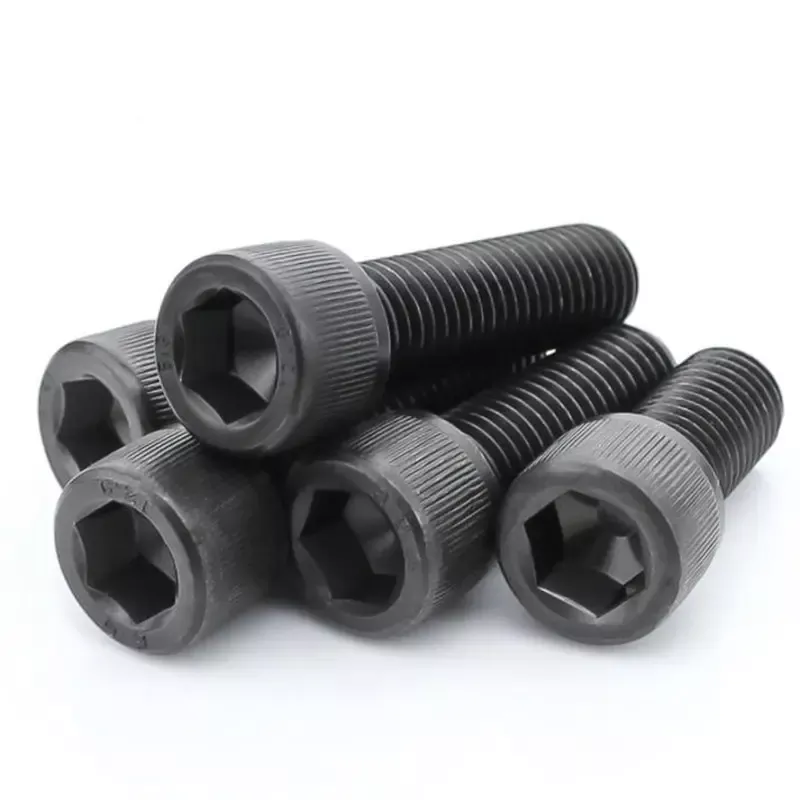
Table of Contents
- Introduction to Socket Screws
- What Are Socket Screws?
- Types of Socket Screws
- Materials and Surface Treatments
- Industrial Applications
- How to Select the Right Socket Screws
- Installation Best Practices
- Common Problems and Solutions
- Maintenance and Longevity
- Industry Standards and Quality Control
- Why Choose TR Socket Screws
- Frequently Asked Questions
- Conclusion
Introduction to Socket Screws
In modern engineering systems, fastening reliability directly impacts performance, safety, and durability. Socket screws are engineered to deliver high clamping force in compact spaces where traditional hex or slotted screws fail. Their internal drive design allows for higher torque transmission, reduced cam-out risk, and improved assembly precision.
Industries increasingly adopt socket screws due to their ability to maintain structural integrity under vibration, thermal expansion, and mechanical stress.
What Are Socket Screws?
Socket screws are cylindrical-head fasteners with a hexagonal internal drive. They are tightened using an Allen key or hex wrench, allowing for controlled torque application. Unlike external drive screws, socket screws are ideal for confined assemblies and high-strength joints.
- Internal drive system: Prevents slippage during tightening
- High torque capability: Suitable for heavy-duty assemblies
- Compact head design: Ideal for tight mechanical spaces
Types of Socket Screws
Different engineering scenarios require different socket screw configurations. The most common types include:
- Socket Head Cap Screws: Used in machinery requiring high strength fastening
- Socket Set Screws: Used for securing components against shafts
- Socket Button Head Screws: Ideal for aesthetic or low-profile applications
- Socket Flat Head Screws: Used when flush surfaces are required
Materials and Surface Treatments
The performance of socket screws heavily depends on material composition and surface finishing. Common materials include alloy steel, stainless steel, and carbon steel.
- Stainless Steel: Corrosion resistance for marine and outdoor use
- Alloy Steel: High tensile strength for structural applications
- Carbon Steel: Cost-effective solution for general use
Surface treatments such as black oxide, zinc plating, and galvanization further enhance corrosion resistance and wear durability.
Industrial Applications
Socket screws are widely used across industries where precision and reliability are critical.
- Automotive engine assemblies and chassis systems
- Aerospace structural components
- Industrial machinery and robotics
- Electronic equipment housing
- Construction steel frameworks
How to Select the Right Socket Screws
Choosing the correct socket screw ensures long-term performance and safety. Key selection criteria include:
- Load requirements: Determine tensile and shear stress needs
- Environmental conditions: Consider humidity, temperature, and corrosion exposure
- Material compatibility: Avoid galvanic corrosion between metals
- Thread specifications: Match pitch and diameter precisely
- Head type: Select based on space and design constraints
Installation Best Practices
Proper installation is essential for maximizing socket screw performance.
- Use correctly sized hex keys to prevent stripping
- Apply torque gradually and uniformly
- Ensure clean threading before installation
- Use thread-locking compounds for vibration-prone systems
Over-tightening or misalignment can significantly reduce fastener lifespan and joint integrity.
Common Problems and Solutions
Despite their advantages, socket screws may encounter issues if improperly applied.
- Stripped internal drive: Caused by incorrect tool size
- Corrosion: Prevented by proper coating selection
- Loosening under vibration: Solved using locking compounds
- Thread damage: Avoid cross-threading during installation
Maintenance and Longevity
Socket screws require minimal maintenance but benefit from periodic inspection in high-stress environments.
- Check torque integrity during scheduled maintenance cycles
- Inspect for corrosion or surface wear
- Replace damaged screws immediately to prevent system failure
Industry Standards and Quality Control
High-quality socket screws are manufactured according to international standards such as ISO and DIN specifications. These standards ensure consistency in dimensions, mechanical strength, and material performance.
Quality control processes typically include tensile testing, hardness testing, and dimensional inspection to guarantee reliability in demanding applications.
Why Choose TR Socket Screws
TR is a trusted supplier of high-performance fastening solutions, offering socket screws engineered for durability, precision, and industrial reliability. Each product is manufactured under strict quality control processes to ensure consistent performance across global applications.
- High-grade raw materials for superior strength
- Precision machining for consistent fit
- Multiple coating options for corrosion resistance
- Stable supply chain for bulk industrial demand
By choosing TR socket screws, businesses reduce maintenance costs, improve assembly efficiency, and enhance overall system reliability.
Frequently Asked Questions
1. What makes socket screws different from regular screws?
Socket screws use an internal hex drive, allowing higher torque and better performance in compact spaces.
2. Are socket screws suitable for high-vibration environments?
Yes, especially when combined with thread-locking compounds or locking mechanisms.
3. What materials are best for outdoor applications?
Stainless steel socket screws are recommended due to their corrosion resistance.
4. Can socket screws be reused?
Yes, but only if the threads and drive system remain undamaged.
5. How do I prevent stripping during installation?
Always use the correct size hex key and apply controlled torque.
Conclusion
Socket screws play a critical role in modern engineering systems by offering superior torque performance, compact design advantages, and long-term structural stability. Proper selection, installation, and maintenance significantly enhance their effectiveness across industries ranging from automotive to aerospace.
With advanced manufacturing standards and reliable material engineering, TR provides socket screw solutions that meet the demands of high-performance applications worldwide.
For customized specifications, bulk orders, or technical consultation, TR welcomes your inquiries. contact us today to discuss how our socket screw solutions can support your engineering and manufacturing needs.
