

How Do Wheel Lug Bolts Work?
2026-03-12
Summary: Wheel lug bolts are essential components that secure your vehicle's wheels to the hub. Understanding their function, types, and correct installation ensures safety and optimal performance. This guide explores wheel lug bolts in detail, including maintenance tips and frequently asked questions.
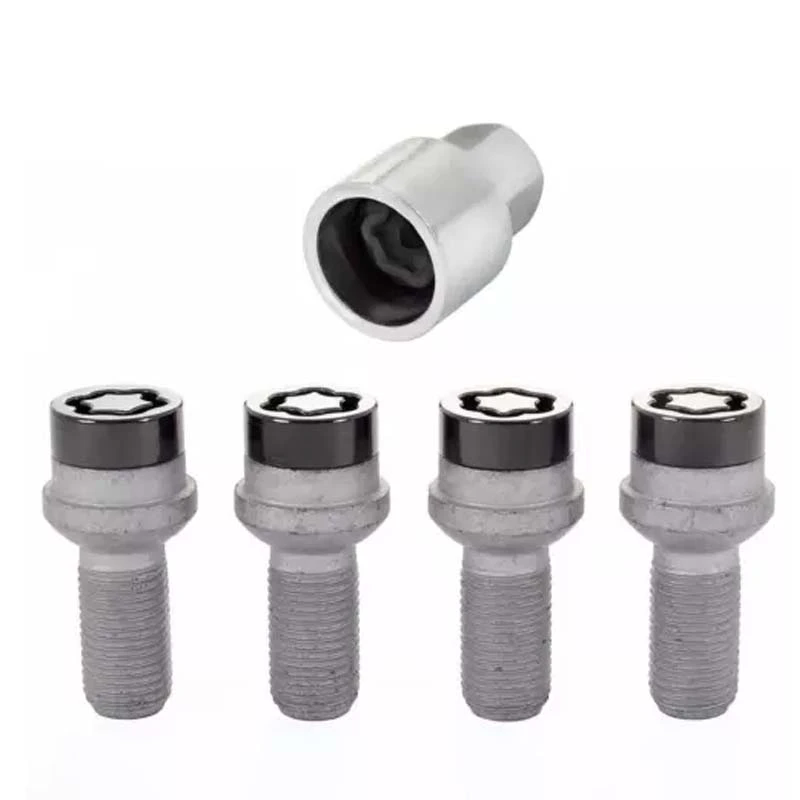
Table of Contents
- Introduction to Wheel Lug Bolts
- Types of Wheel Lug Bolts
- Proper Installation Techniques
- Maintenance and Safety Tips
- Wheel Lug Bolt Specifications
- Frequently Asked Questions
- Conclusion & Contact
Introduction to Wheel Lug Bolts
Wheel lug bolts are fasteners designed to secure a vehicle's wheel to its hub. Unlike lug nuts, which screw onto a separate stud, lug bolts thread directly into the hub itself. They play a critical role in vehicle safety, as loose or damaged lug bolts can lead to wheel detachment or uneven tire wear.
Key functions of wheel lug bolts include:
- Providing secure attachment of wheels to the vehicle hub.
- Maintaining correct wheel alignment under dynamic driving conditions.
- Allowing for easy wheel removal and installation during maintenance.
For professional-grade wheel lug bolts, reliable suppliers such as J&W Auto Part offer durable and precision-engineered products suitable for a variety of vehicles. You can explore their product line here.
Types of Wheel Lug Bolts
Choosing the right type of wheel lug bolt depends on your vehicle design, wheel type, and driving requirements. Common types include:
- Conical Seat Bolts: Feature a tapered end that fits into a corresponding cone-shaped seat on the wheel, providing self-centering and strong clamping force.
- Ball Seat Bolts: Utilize a rounded end that fits into a ball-shaped seat, often used in European vehicles.
- Extended Thread Bolts: Provide additional thread length for thicker wheels or wheel spacers.
- Hex Head vs. Spline Drive Bolts: The drive type determines the tool needed for installation. Hex head is standard, while spline drive provides extra security against theft.
Understanding these types ensures compatibility with your vehicle and maximizes safety.
Proper Installation Techniques
Correct installation of wheel lug bolts is crucial. Improper torque or uneven tightening can cause vibrations, brake issues, or wheel detachment. Follow these steps for safe installation:
- Clean the Hub and Bolt: Remove rust, dirt, or debris to ensure proper seating.
- Hand-Tighten First: Screw bolts by hand to avoid cross-threading.
- Use the Correct Torque: Refer to the vehicle manufacturer’s recommended torque settings, typically measured in Nm (Newton meters).
- Tighten in a Star Pattern: This ensures even pressure distribution across the wheel.
- Recheck Torque After Driving: Check after 50–100 km to ensure bolts remain secure.
Maintenance and Safety Tips
Routine maintenance of wheel lug bolts can prevent accidents and prolong their lifespan. Consider the following tips:
- Regularly inspect for signs of wear, corrosion, or thread damage.
- Replace bolts that are stretched or show cracks.
- Use anti-seize compound on threads sparingly to prevent rust, but avoid overuse as it may affect torque readings.
- Always use the correct socket size and torque wrench to prevent rounding off bolt heads.
- Ensure wheels are aligned and balanced to reduce stress on bolts.
Wheel Lug Bolt Specifications
Below is a table summarizing typical specifications of wheel lug bolts for reference. Specifications may vary based on vehicle make and model.
| Parameter | Typical Range / Example |
| Thread Size | M12 x 1.5, M14 x 1.5 |
| Length | 25 mm – 70 mm |
| Seat Type | Conical, Ball |
| Material | High-strength steel, heat-treated |
| Torque Specification | 80–120 Nm (varies by vehicle) |
| Finish | Zinc-plated, black oxide, chrome-plated |
Frequently Asked Questions
Q1: Can I reuse wheel lug bolts?
A1: Generally, bolts can be reused if they show no signs of damage, corrosion, or stretching. Always inspect threads and heads carefully before reinstallation.
Q2: What happens if wheel lug bolts are over-tightened?
A2: Over-tightening can stretch the bolt, damage threads, warp the brake rotor, and even lead to wheel detachment under stress.
Q3: How often should I check wheel lug bolt torque?
A3: It is recommended to check torque after the first 50–100 km following wheel installation or rotation, and then periodically during routine maintenance.
Conclusion & Contact
Wheel lug bolts are small components with a big impact on your vehicle’s safety and performance. Selecting the correct type, following proper installation procedures, and performing routine inspections can prevent accidents and extend the life of your wheels. Reliable products from J&W Auto Part ensure quality and durability for every vehicle.
For professional-grade wheel lug bolts and expert guidance, contact us today and secure the safety of your vehicle with confidence.
