Article Abstract
Recessed floor sockets have become an essential component in modern commercial buildings, offices, exhibition halls, and residential interiors where clean aesthetics and functional power access are equally important. This article explains what a recessed floor socket is, why it is used, how to install and maintain it, and what critical safety and design considerations must be evaluated before purchase and deployment. It also addresses common challenges users face such as water ingress, cable management, load resistance, and installation errors, providing a structured technical guide supported by practical tables, lists, and frequently asked questions.
Outline
-
Introduction to Recessed Floor Socket Systems
-
Key Benefits and Application Scenarios
-
Structural Design and Functional Components
-
Installation Process Explained Step-by-Step
-
Technical Comparison Table
-
Common Installation Mistakes and Solutions
-
Maintenance and Safety Considerations
-
FAQ Section
-
Conclusion and Professional Recommendation
Introduction to Recessed Floor Socket Systems
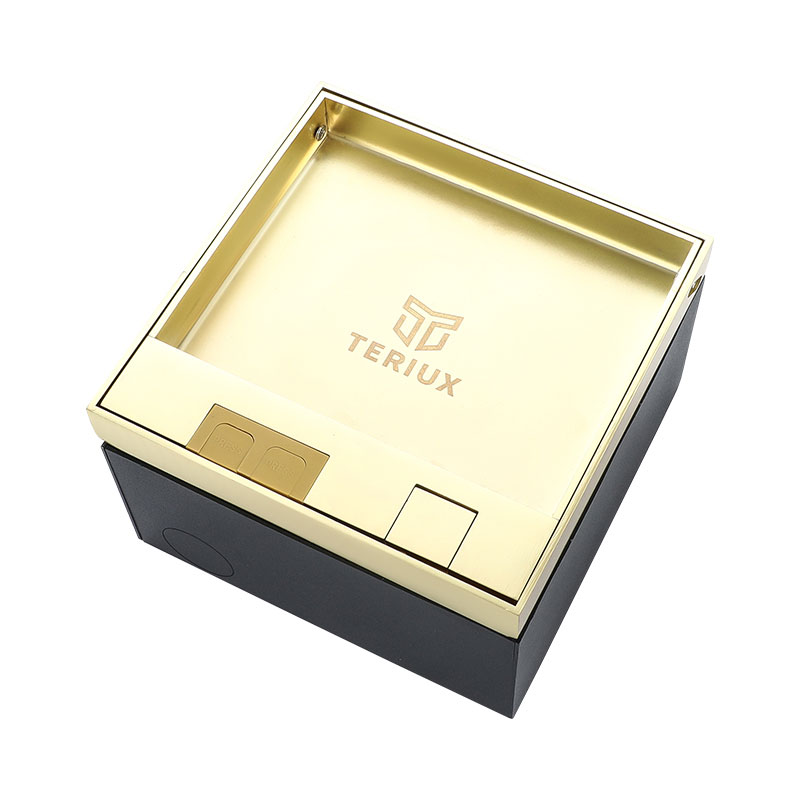
A recessed floor socket is a concealed electrical outlet system installed directly into flooring structures such as concrete, raised floors, or wooden panels. Unlike traditional wall-mounted sockets, it provides power access from the floor level while maintaining a clean, obstruction-free environment.
These systems are widely used in high-density office environments, smart conference rooms, airport lounges, and modern homes where flexible workspace layouts are required. By integrating electrical, data, and sometimes multimedia interfaces into the floor, they eliminate cable clutter and improve spatial efficiency.
Benefits and Use Cases
The adoption of recessed floor socket systems continues to increase due to their practicality and aesthetic advantages. Below are the primary benefits:
-
Space Optimization: Eliminates wall dependency for power access.
-
Improved Safety: Reduces tripping hazards caused by exposed cables.
-
Flexible Layouts: Ideal for modular office furniture configurations.
-
Enhanced Aesthetics: Maintains clean architectural design.
-
Multi-functional Integration: Supports power, data, HDMI, and USB ports.
Typical application scenarios include corporate offices, hotel meeting rooms, retail display floors, exhibition booths, libraries, and luxury residential interiors.
Design and Components
A standard recessed floor socket system consists of several engineered components designed for durability and safety:
-
Metal or Alloy Housing: Provides structural protection and load resistance.
-
Internal Socket Module: Includes electrical and data ports.
-
Protective Cover Lid: Prevents dust and moisture intrusion.
-
Sealing Gasket: Enhances waterproof performance.
-
Mounting Frame: Secures the socket within the floor cavity.
High-quality products, such as those developed by TERIUX, often incorporate modular design principles, allowing users to customize port combinations based on operational needs.
Installation Guide
Installing a recessed floor socket requires precision, proper planning, and adherence to electrical safety standards. Below is a structured installation process:
-
Site Planning: Determine socket location based on furniture layout and power demand.
-
Cutting Floor Opening: Create a cavity matching socket dimensions.
-
Conduit Arrangement: Route electrical wiring through protective conduits.
-
Base Fixing: Secure the mounting frame into the floor structure.
-
Wiring Connection: Connect power and data lines according to wiring diagram.
-
Module Installation: Insert socket modules into housing.
-
Sealing and Covering: Install protective lid and ensure airtight sealing.
-
Testing: Verify electrical continuity and load performance.
Proper installation significantly reduces future maintenance issues and ensures long-term operational safety.
Technical Comparison of Recessed Floor Socket Types
|
Type
|
Material
|
Load Capacity
|
Water Resistance
|
Best Use Scenario
|
|
Basic Plastic Model
|
ABS Plastic
|
Low
|
Low
|
Residential lightweight use
|
|
Aluminum Alloy Model
|
Aluminum Alloy
|
Medium
|
Medium
|
Office environments
|
|
Industrial Grade Model
|
Stainless Steel
|
High
|
High
|
Commercial and exhibition halls
|
Common Installation Mistakes
Even experienced installers may encounter issues if proper procedures are not followed. The most common mistakes include:
-
Incorrect measurement of floor cavity depth
-
Failure to use waterproof sealing materials
-
Overloading socket beyond rated capacity
-
Poor cable management inside housing
-
Ignoring grounding requirements
Avoiding these errors ensures long-term performance stability and reduces safety risks significantly.
Maintenance and Safety Considerations
Recessed floor sockets require periodic inspection to maintain optimal performance. Recommended maintenance practices include:
-
Regular cleaning of socket covers to prevent dust accumulation
-
Checking sealing integrity every 3–6 months
-
Inspecting internal wiring for wear or overheating
-
Ensuring load limits are not exceeded
From a safety perspective, it is crucial to ensure that all installations comply with local electrical codes and that only certified technicians perform modifications or repairs.
Frequently Asked Questions (FAQ)
Q1: Can recessed floor sockets be installed in wooden floors?
Yes, they can be installed in wooden floors provided that proper structural reinforcement and fire safety precautions are followed.
Q2: Are recessed floor sockets waterproof?
Most high-quality models offer water-resistant or splash-proof designs, but full waterproofing depends on sealing quality and product grade.
Q3: How long does installation take?
Typically between 1 to 3 hours per unit depending on floor type and wiring complexity.
Q4: Can I customize port configurations?
Yes, modular designs allow customization of power, USB, HDMI, and network ports.
Q5: What makes TERIUX products different?
TERIUX focuses on durable materials, modular flexibility, and enhanced safety engineering suitable for both commercial and residential environments.
Conclusion
Recessed floor sockets represent a modern solution for efficient power distribution in architecture-driven environments. Their ability to combine functionality, safety, and visual cleanliness makes them a preferred choice in contemporary design projects.
However, successful deployment depends heavily on correct product selection, professional installation, and consistent maintenance practices. Choosing reliable manufacturers such as TERIUX ensures higher durability and performance stability across different environments.
For project consultation, technical support, or product customization, contact us today to explore how TERIUX recessed floor socket solutions can optimize your electrical infrastructure and improve your space efficiency.