

How Do You Troubleshoot Common Defects Caused by a Punch Lower Die
2026-02-04
In metal stamping, achieving consistent, high-quality parts heavily relies on the precise condition and interaction of tooling components. A critical element in this system is the Punch Lower Die. When parts exhibit defects, the Punch Lower Die is often a primary suspect. At ZHIHEXING, we specialize in precision tooling and understand that effective troubleshooting is key to minimizing downtime and scrap. This guide outlines a professional approach to diagnosing common stamping defects linked to the lower die, helping you restore optimal production performance.
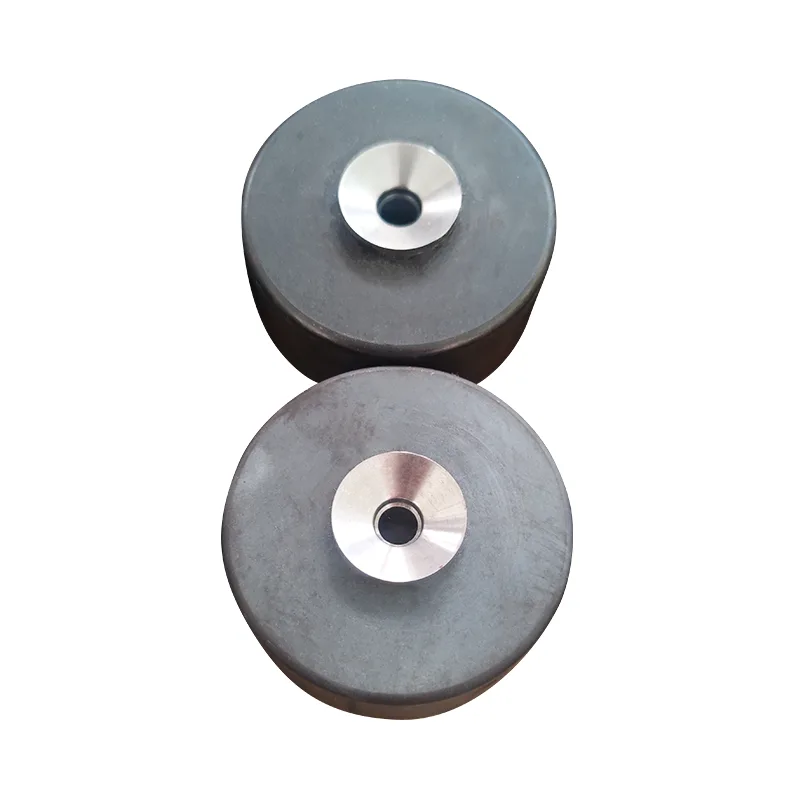
A systematic troubleshooting process begins with identifying the defect and tracing it back to potential tooling issues. Here is a logical step-by-step approach:
-
Identify and Isolate the Defect: Clearly define the issue—burrs, dimensional inaccuracy, marking, etc.
-
Inspect the Punch and Die Clearance: Incorrect clearance is a leading cause of many defects.
-
Examine the Punch Lower Die Condition: Look for signs of wear, chipping, or damage on the cutting edges and surfaces.
-
Check for Proper Alignment and Assembly: Ensure the Punch Lower Die is correctly aligned with the upper punch and securely fastened.
-
Review Material and Lubrication: Verify material specifications and that appropriate lubrication is being applied.
To further clarify the role of tooling in defect formation, consider the following common correlations:
| Part Defect | Likely Punch Lower Die Related Cause |
|---|---|
| Excessive Burrs | Worn cutting edges, insufficient sharpness, or excessive clearance. |
| Part Twisting/Bending | Incorrect or uneven clearance, misalignment of the die. |
| Surface Scoring | Roughness or damage on the inner wall of the die, lack of lubrication. |
| Dimensional Variance | Wear in the die cavity leading to size drift, thermal expansion. |
Punch Lower Die FAQ
Q: What are the first signs that my Punch Lower Die needs maintenance or replacement?
A: The earliest indicators are often subtle increases in part burrs, slight dimensional variations, or a change in the sound and feel of the stamping press during operation. Regular scheduled inspections are crucial to catch wear before it causes significant scrap.
Q: How does improper clearance specifically affect part quality and die life?
A: Excessive clearance leads to large burrs and distorted parts, while insufficient clearance creates high stripping forces, accelerated wear, and can cause micro-chipping on the die edge. Both scenarios drastically reduce the service life of your Punch Lower Die.
Q: Can a damaged Punch Lower Die be repaired, or must it always be replaced?
A: Minor wear or surface imperfections can often be remedied through professional re-sharpening or polishing by a specialist like ZHIHEXING. However, severe chipping, cracks, or significant dimensional loss usually necessitate replacement to ensure part quality and press safety.
Troubleshooting is a critical skill, but preventing defects from occurring in the first place is the hallmark of efficient manufacturing. This begins with investing in high-quality, precision-engineered tooling designed for longevity and consistent performance.
At ZHIHEXING, we manufacture robust and precision Punch Lower Die units that provide exceptional durability and dimensional stability, directly reducing the frequency of common defects. Our engineering support team is adept at helping clients diagnose complex tooling challenges and recommend sustainable solutions.
Contact us today to discuss your specific tooling challenges. Let our expertise at ZHIHEXING help you optimize your stamping process, reduce downtime, and achieve flawless part quality.
