

How Does a Carriage Bolt Provide Reliable Fastening for Different Applications?
2026-07-21
Article Summary
Carriage bolts are widely used fastening components known for their smooth rounded heads, square necks, and reliable holding performance. They are commonly applied in woodworking, construction, furniture manufacturing, automotive structures, agricultural equipment, and industrial assemblies where secure and visually clean fastening is required. However, choosing the right carriage bolt, understanding installation methods, and preventing common fastening problems are essential for achieving long-term performance.
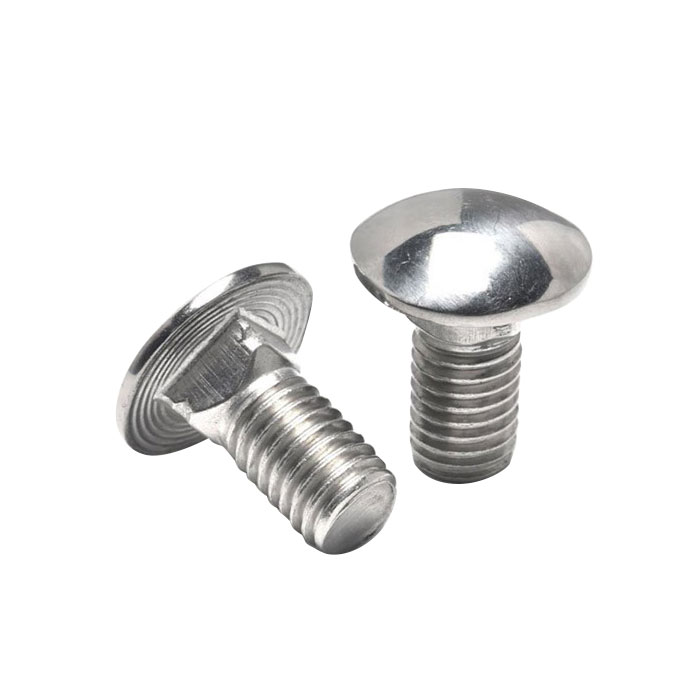
This article explains how carriage bolts work, why they are preferred for various projects, how to select the correct type, and how manufacturers such as Jiaxing Aoke Hardware Technology Co., Ltd. support customers with dependable hardware solutions. By understanding key factors such as materials, dimensions, strength grades, and application requirements, buyers can make better decisions and avoid unnecessary failures.
Table of Contents
- 1. What Is a Carriage Bolt?
- 2. How Does a Carriage Bolt Work?
- 3. What Advantages Make Carriage Bolts Popular?
- 4. Where Are Carriage Bolts Commonly Used?
- 5. How to Choose the Right Carriage Bolt?
- 6. How to Install a Carriage Bolt Correctly?
- 7. Common Carriage Bolt Problems and Solutions
- 8. Carriage Bolt Material and Performance Comparison
- 9. Frequently Asked Questions
1. What Is a Carriage Bolt?
A carriage bolt is a specialized fastener designed with a rounded head and a square section directly underneath the head. Unlike traditional bolts that require a wrench or tool to prevent rotation during tightening, the square neck of a carriage bolt locks into the installation material, allowing the bolt to remain stable while the nut is tightened.
The unique structure makes carriage bolts especially suitable for applications where one side of the fastening point is visible or difficult to access. The smooth dome-shaped head creates a clean appearance while reducing the risk of accidental contact with sharp edges.
Carriage bolts are available in different materials, including carbon steel, stainless steel, and alloy steel. Different surface treatments, such as zinc plating, hot-dip galvanizing, and other protective coatings, can improve corrosion resistance and extend service life in demanding environments.
2. How Does a Carriage Bolt Work?
The working principle of a carriage bolt is based on the interaction between its square neck and the installation surface. During installation, the square neck is embedded into a pre-drilled hole. When the nut is tightened, the square section prevents the bolt from spinning, creating a secure connection.
The fastening process usually includes the following steps:
- Drill a properly sized hole through the materials being joined.
- Insert the carriage bolt through the aligned holes.
- Allow the square neck to engage with the material surface.
- Install and tighten the nut until the connection reaches the required clamping force.
This simple but effective mechanism reduces installation difficulty and improves fastening reliability, especially in situations where access to the bolt head is limited.
3. What Advantages Make Carriage Bolts Popular?
Carriage bolts have become a preferred fastening solution because they combine practical installation features with dependable mechanical performance. Their advantages include:
| Advantage | Description |
|---|---|
| Anti-Rotation Design | The square neck prevents the bolt from turning during tightening. |
| Clean Appearance | The rounded head provides a smooth and professional finished surface. |
| Strong Connection | Proper installation creates stable and durable fastening performance. |
| Wide Compatibility | Available in different sizes, materials, and coatings for various industries. |
| Easy Maintenance | Standard designs allow convenient replacement and adjustment. |
For businesses purchasing hardware components, these advantages help reduce installation time, improve product reliability, and lower maintenance costs.
4. Where Are Carriage Bolts Commonly Used?
Carriage bolts are used across multiple industries because of their reliable fastening capability and attractive finished appearance. Typical applications include:
- Woodworking Projects: Used in decks, outdoor furniture, wooden structures, and timber connections.
- Construction: Applied in structural assemblies, metal brackets, and building components.
- Furniture Manufacturing: Suitable for tables, chairs, cabinets, and decorative hardware applications.
- Agricultural Equipment: Used in machinery frames and equipment components exposed to vibration.
- Automotive Applications: Applied in certain vehicle assemblies and accessory installations.
- Industrial Equipment: Used for machinery connections requiring stable fastening.
Because different industries require different levels of strength and corrosion resistance, selecting the correct carriage bolt specification is important for achieving expected performance.
5. How to Choose the Right Carriage Bolt?
Selecting the correct carriage bolt requires consideration of several technical factors. Incorrect selection may lead to loose connections, premature corrosion, or insufficient load capacity.
| Selection Factor | Important Considerations |
|---|---|
| Material | Choose carbon steel for general applications or stainless steel for corrosion-sensitive environments. |
| Size | Diameter and length should match the thickness of connected materials. |
| Strength Grade | Select according to load requirements and working conditions. |
| Surface Treatment | Coatings improve corrosion resistance and durability. |
| Application Environment | Consider moisture, chemicals, temperature, and vibration exposure. |
Jiaxing Aoke Hardware Technology Co., Ltd. provides professional fastening solutions designed to meet different customer requirements, helping customers select suitable carriage bolts according to application conditions.
6. How to Install a Carriage Bolt Correctly?
Correct installation directly affects the performance and lifespan of carriage bolts. Following proper procedures helps prevent loose connections and installation damage.
Recommended installation practices include:
- Use the correct drill size to ensure proper engagement of the square neck.
- Align all connecting holes before inserting the bolt.
- Avoid over-tightening, which may damage threads or connected materials.
- Use appropriate washers when additional load distribution is needed.
- Select corrosion-resistant fasteners for outdoor applications.
For industrial applications, professional installation methods and quality inspection procedures can further improve connection reliability.
7. Common Carriage Bolt Problems and Solutions
| Problem | Possible Cause | Solution |
|---|---|---|
| Bolt Rotation During Tightening | Square neck does not properly engage. | Check hole size and installation position. |
| Rust Formation | Unsuitable material or coating. | Select stainless steel or corrosion-resistant treatment. |
| Loose Connection | Incorrect tightening force or vibration. | Use proper torque control and suitable locking methods. |
| Thread Damage | Over-tightening or poor-quality components. | Choose reliable suppliers and correct installation tools. |
8. Carriage Bolt Material and Performance Comparison
| Material Type | Main Features | Typical Applications |
|---|---|---|
| Carbon Steel | High strength and cost-effective performance. | General construction and machinery applications. |
| Stainless Steel | Excellent corrosion resistance and clean appearance. | Outdoor, marine, and food-related environments. |
| Galvanized Steel | Improved protection against moisture and oxidation. | Outdoor structures and industrial projects. |
Understanding material differences helps buyers select carriage bolts that provide the best balance between performance, durability, and cost.
9. Frequently Asked Questions
Q1: What makes a carriage bolt different from a regular bolt?
A carriage bolt features a rounded head and square neck that prevents rotation during tightening, while regular bolts usually require tools to hold the bolt in place.
Q2: Can carriage bolts be used outdoors?
Yes. Carriage bolts with suitable materials and protective coatings can perform well in outdoor environments. Stainless steel and galvanized options are commonly selected for outdoor applications.
Q3: How do I know which carriage bolt size I need?
The correct size depends on material thickness, load requirements, and installation conditions. Diameter and length should be selected according to the specific project requirements.
Q4: Are carriage bolts suitable for heavy-duty applications?
Yes. Properly selected carriage bolts made from high-quality materials can provide reliable fastening performance for many heavy-duty applications.
Q5: Why choose Jiaxing Aoke Hardware Technology Co., Ltd. for carriage bolts?
Jiaxing Aoke Hardware Technology Co., Ltd. focuses on providing reliable hardware products with consistent quality, professional manufacturing experience, and solutions customized for different industries.
Conclusion
Carriage bolts remain an important fastening solution because of their simple design, strong holding capability, and wide application range. From construction projects and furniture production to industrial equipment, they provide stable connections while maintaining a clean finished appearance.
Choosing the right material, size, coating, and supplier is essential for achieving long-term fastening performance. With professional manufacturing capabilities and customer-focused solutions, Jiaxing Aoke Hardware Technology Co., Ltd. continues to support global customers with dependable carriage bolt products. If you need high-quality carriage bolts for your specific application, please contact us for professional assistance and customized hardware solutions.
