Article Summary
Industrial air pollution control has become a critical challenge for manufacturers dealing with volatile organic compounds (VOCs), hazardous gases, and strict environmental regulations. A Catalytic Incinerator provides an efficient solution by using catalytic oxidation technology to convert harmful organic pollutants into harmless carbon dioxide and water vapor at lower operating temperatures compared with traditional thermal oxidation systems.
This article explains how Catalytic Incinerators work, why industries need them, what problems they solve, how to select the right system, and how China Lvquan supports companies with reliable VOC treatment solutions. By understanding the working principles and application advantages, manufacturers can make better decisions to improve environmental performance, reduce energy consumption, and maintain stable production operations.
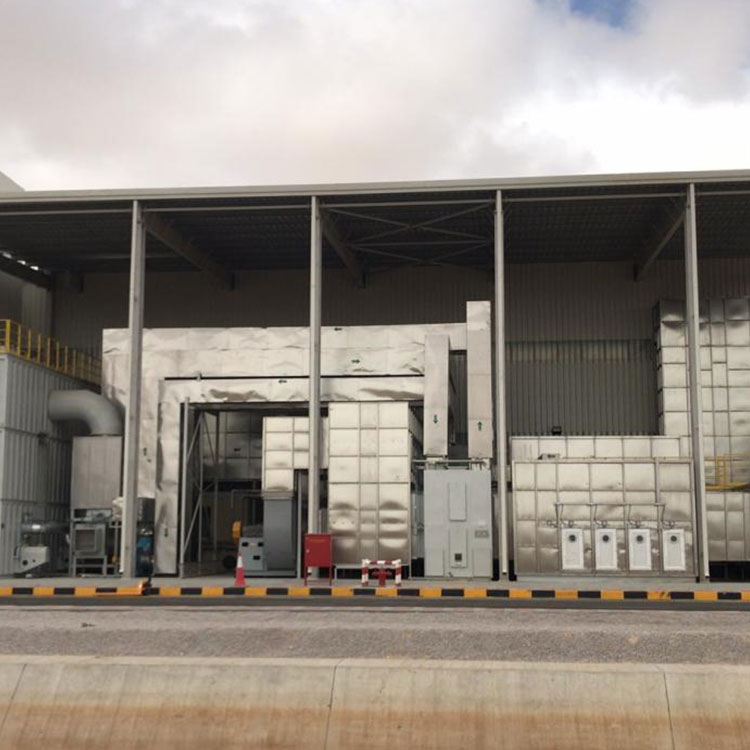
What Is a Catalytic Incinerator?
A Catalytic Incinerator is an advanced air pollution control device designed to remove VOC emissions and other combustible pollutants from industrial exhaust streams. Unlike conventional combustion equipment that requires extremely high temperatures to destroy pollutants, catalytic oxidation systems use specialized catalysts to accelerate chemical reactions at lower temperatures.
The core function of a Catalytic Incinerator is to transform harmful organic compounds into environmentally safer substances through oxidation. When industrial exhaust containing VOCs enters the system, the catalyst reduces the activation energy required for oxidation, allowing pollutants to break down efficiently without excessive fuel consumption.
Industries generating paint fumes, chemical vapors, printing emissions, coating gases, and solvent-based exhaust often require effective VOC treatment solutions. A properly designed Catalytic Incinerator helps companies achieve emission compliance while improving operational efficiency.
How Does a Catalytic Incinerator Work?
Understanding the working process of a Catalytic Incinerator helps businesses evaluate whether this technology matches their emission control requirements. The system usually operates through several important stages.
-
Exhaust Gas Collection: Industrial exhaust containing VOCs is collected from production equipment and transported into the treatment system.
-
Preheating Process: The incoming gas passes through a heat exchange section where energy recovery technology helps increase temperature efficiently.
-
Catalytic Oxidation: The heated gas flows through catalyst layers. The catalyst promotes oxidation reactions that convert VOC molecules into carbon dioxide and water.
-
Heat Recovery: Released heat can be reused within the system, reducing additional energy requirements and improving overall efficiency.
-
Clean Gas Discharge: After treatment, the purified gas is released according to environmental standards.
The combination of catalytic materials, temperature control, and heat recovery technology allows Catalytic Incinerators to achieve effective pollutant destruction while maintaining lower operating costs.
What Industrial Problems Can a Catalytic Incinerator Solve?
Many manufacturers face difficulties when managing VOC emissions. Traditional treatment methods may create challenges related to energy consumption, unstable treatment efficiency, or limited adaptability. A Catalytic Incinerator addresses several common industrial concerns.
-
High VOC Emissions: The system efficiently handles organic pollutants generated during manufacturing processes.
-
Increasing Environmental Requirements: Companies can improve emission control performance and meet stricter regulations.
-
High Energy Costs: Lower oxidation temperatures and heat recovery features help reduce fuel consumption.
-
Production Stability: Automated control systems provide reliable operation with minimal manual adjustment.
-
Limited Factory Space: Compact designs make installation easier in facilities with restricted areas.
For companies searching for dependable VOC treatment equipment, China Lvquan provides professional Catalytic Incinerator solutions designed around different industrial conditions.
Key Advantages of Using a Catalytic Incinerator
Choosing the correct VOC treatment technology directly affects production efficiency, environmental responsibility, and long-term operating expenses. Catalytic Incinerators offer several important benefits.
-
Lower Operating Temperature: Catalytic oxidation allows effective pollutant destruction at reduced temperatures compared with direct thermal combustion.
-
Energy Efficiency: Heat recovery systems recycle thermal energy and decrease continuous fuel consumption.
-
High Treatment Efficiency: Properly designed systems can effectively remove VOC pollutants from industrial exhaust.
-
Stable Performance: Advanced control systems help maintain consistent operation under changing production conditions.
-
Environmental Protection: Reduced emissions contribute to cleaner production and sustainable manufacturing practices.
|
Feature
|
Industrial Benefit
|
|
Catalytic Oxidation Technology
|
Improves VOC destruction efficiency with lower temperature requirements
|
|
Heat Recovery System
|
Reduces energy consumption and operating expenses
|
|
Automatic Control
|
Provides stable and convenient operation
|
|
Compact Structure
|
Saves installation space
|
Common Applications of Catalytic Incinerators
Catalytic Incinerators are widely used across industries where VOC emissions are generated during manufacturing processes. Typical applications include:
-
Automotive painting and coating industries
-
Electronic manufacturing facilities
-
Printing and packaging production
-
Chemical processing plants
-
Pharmaceutical manufacturing
-
Furniture and surface treatment industries
-
Solvent-based production processes
Each industry has different emission characteristics, including gas concentration, airflow volume, and pollutant composition. Therefore, customized system design is essential for achieving optimal treatment results.
How to Choose the Right Catalytic Incinerator?
Selecting an appropriate Catalytic Incinerator requires careful evaluation of several technical factors. The wrong equipment choice may lead to inefficient treatment performance or unnecessary operating costs.
-
Analyze Exhaust Characteristics: Determine VOC concentration, airflow rate, temperature, and chemical composition before selecting equipment.
-
Consider Treatment Capacity: The system should match the actual production exhaust volume to ensure stable performance.
-
Evaluate Catalyst Quality: High-quality catalyst materials provide better oxidation performance and longer service life.
-
Check Energy Efficiency: Heat recovery design plays an important role in reducing operating costs.
-
Choose an Experienced Supplier: Professional manufacturers can provide engineering support, customization, and after-sales service.
China Lvquan focuses on providing reliable VOC treatment equipment with practical industrial experience, helping customers select solutions that match their production requirements.
Maintenance Tips for Long-Term Performance
Regular maintenance ensures that a Catalytic Incinerator continues operating efficiently throughout its service life. Recommended maintenance practices include:
-
Inspect catalyst conditions regularly to prevent performance decline.
-
Clean filters and air passages to maintain stable airflow.
-
Check temperature control systems and sensors periodically.
-
Monitor pressure changes to identify possible blockages.
-
Follow professional maintenance schedules provided by equipment suppliers.
Proper maintenance not only extends equipment lifespan but also helps maintain consistent VOC removal efficiency and reduce unexpected downtime.
Frequently Asked Questions About Catalytic Incinerators
Q1: What pollutants can a Catalytic Incinerator remove?
A Catalytic Incinerator is mainly designed to treat VOCs and other combustible organic pollutants produced during industrial processes.
Q2: Why is catalytic oxidation more energy-efficient?
Catalytic materials accelerate oxidation reactions, allowing pollutants to be destroyed at lower temperatures and reducing fuel consumption.
Q3: How long does a catalyst typically last?
Catalyst lifespan depends on operating conditions, pollutant composition, maintenance quality, and production environment.
Q4: Can a Catalytic Incinerator be customized?
Yes. Professional suppliers can customize equipment according to airflow volume, VOC concentration, installation conditions, and industry requirements.
Q5: Why choose China Lvquan for VOC treatment solutions?
China Lvquan provides industrial air pollution control solutions with professional engineering support and customized Catalytic Incinerator systems designed for different applications.
Conclusion
A Catalytic Incinerator is an effective solution for industries seeking reliable VOC emission control, lower energy consumption, and improved environmental performance. Through catalytic oxidation technology, heat recovery, and intelligent control systems, businesses can achieve cleaner production while maintaining operational efficiency.
China Lvquan continues to develop advanced VOC treatment solutions to help manufacturers overcome emission challenges and build more sustainable production environments. If you need a customized Catalytic Incinerator solution designed for your specific industrial application, please contact us for professional support and reliable service.