

How Does a Flocculant Dosing Device Improve Water Treatment Efficiency?
2026-02-27
Article Summary
Flocculant dosing devices are essential instruments in modern water and wastewater treatment operations. They precisely add flocculant chemicals to raw water or process streams to promote particle aggregation and improve solids removal. This comprehensive article explains how flocculant dosing devices work, common challenges operators face, how to choose and maintain the correct system, and why advanced dosing solutions like those offered by Siyuan make a measurable difference in treatment performance, operational stability, and overall cost-effectiveness. The content helps plant managers, engineers, and procurement professionals understand key technical and practical considerations when specifying and deploying dosing equipment.
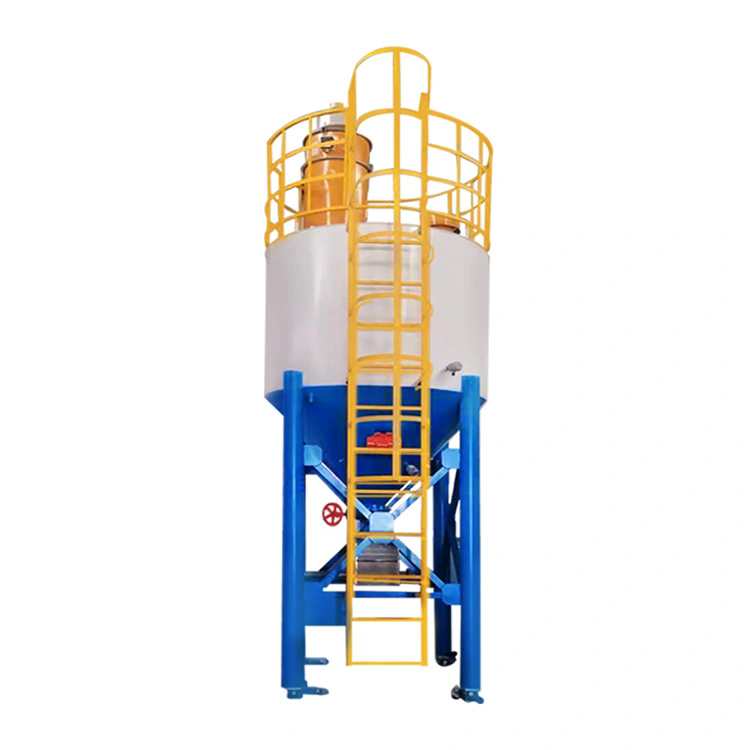
Table of Contents
- Flocculant Dosing Device Overview
- Common Customer Pain Points
- How Flocculant Dosing Devices Work
- Types of Flocculant Dosing Systems
- Selection Criteria for Dosing Equipment
- Installation and Commissioning Best Practices
- Maintenance and Troubleshooting
- Flocculant Dosing Device Comparison
- Frequently Asked Questions
- Conclusion and Contact Us
Flocculant Dosing Device Overview
A flocculant dosing device is a mechanical system designed to store, prepare, and dose flocculation chemicals into a water stream at precise rates. These devices play a fundamental role in coagulation/flocculation processes, where chemical agents are used to destabilize suspended solids, colloidal particles, and other impurities that are difficult to remove by simple sedimentation or filtration.
By controlling the amount and timing of flocculant addition, dosing systems help ensure consistent treatment results, reduce chemical waste, and improve downstream process efficiency. Siyuan’s flocculant dosing devices are engineered to provide stable flow control, accurate metering, and easy integration with automated process systems.
Common Customer Pain Points
Operators, engineers, and water treatment managers often face recurring operational challenges related to chemical dosing. Understanding these pain points helps in selecting and configuring the right dosing equipment.
- Inconsistent flocculation due to inaccurate dosing
- High chemical consumption and waste
- Poor solids removal and turbidity control
- Frequent maintenance and reliability issues
- Difficulty integrating with process automation
- Variable flow and load conditions affecting performance
These issues often result from inadequate equipment selection, improper calibration, or lack of real-time monitoring capabilities.
How Flocculant Dosing Devices Work
Flocculant dosing devices function by combining several key sub-systems, including chemical storage, dilution/mixing units, metering pumps, and control interfaces. The dosing process involves the following steps:
- Chemical preparation: Flocculant concentrates are prepared and conditioned for dosing.
- Metering: Precision pumps or injectors control the rate at which flocculant is added.
- Injection: The prepared flocculant is injected into a water stream at specific points in the treatment process.
- Feedback control: Sensors and controllers adjust dosing rates based on real-time water quality data.
Advanced systems can adjust dosing in response to flow rate, turbidity, pH, or other parameters, minimizing over-dosing and chemical use.
Types of Flocculant Dosing Systems
There are several types of flocculant dosing devices designed to meet varied operational needs. Each type offers specific advantages:
- Manual Dosing Units – Simple devices for small-scale or intermittent dosing applications.
- Mechanical Metering Pumps – Fixed-rate pumps for stable, continuous dosing.
- Peristaltic Dosing Pumps – Gentle pumping for shear-sensitive flocculants.
- Automated Feedback-Controlled Systems – Integrated controllers that modulate dosing based on real-time data.
Selection Criteria for Dosing Equipment
Selecting the right flocculant dosing device requires a structured evaluation of treatment objectives and site conditions.
- Treated flow rate and variability
- Chemical properties (viscosity, concentration)
- Required dosing accuracy and control features
- Integration with existing treatment systems
- Maintenance and accessibility requirements
Partnering with a supplier like Siyuan allows operators to assess these factors with technical support and customized solution options.
Installation and Commissioning Best Practices
Proper installation and commissioning are critical to achieving consistent dosing performance. Best practices include:
- Locating dosing points at optimal upstream positions
- Ensuring adequate access for maintenance and calibration
- Testing chemical preparation and dilution strategies
- Integrating sensors and control feedback loops
- Verifying pump performance and calibration
A structured commissioning process reduces start-up delays and identifies potential issues before full-scale operation.
Maintenance and Troubleshooting
Routine maintenance keeps dosing devices operating reliably and helps prevent costly downtime.
- Inspecting seals, tubing, and pump components
- Cleaning injectors and mixing chambers
- Checking calibration and control feedback systems
- Replacing worn parts on schedule
- Documenting performance trends for predictive maintenance
Understanding common failure modes helps technicians resolve issues quickly and maintain stable dosing accuracy.
Flocculant Dosing Device Comparison
| Device Type | Typical Applications | Key Benefits | Limitations |
|---|---|---|---|
| Manual Units | Small systems | Low cost, simple | Limited precision |
| Metering Pumps | Continuous dosing | Stable flow, reliable | Requires calibration |
| Peristaltic Pumps | Sensitive chemicals | Effective gentle dosing | Pump tubing wear |
| Automated Systems | Variable flow plants | High accuracy, adaptive control | Higher initial cost |
Frequently Asked Questions
What is the purpose of a flocculant dosing device?
It delivers precise amounts of flocculant chemicals to water streams to promote particle aggregation and improve solids removal.
How often should dosing systems be calibrated?
Calibration frequency depends on usage and chemical properties, but regular checks help maintain accuracy.
Can dosing devices handle variable flow rates?
Automated systems with feedback control can adapt to changing flow conditions for stable treatment performance.
What maintenance is required for dosing systems?
Routine inspection of pumps, tubing, seals, and control interfaces is essential for reliable operation.
Conclusion and Contact Us
Flocculant dosing devices play a crucial role in achieving effective, reliable, and cost-efficient water treatment outcomes. By selecting suitable equipment, following installation best practices, and maintaining devices properly, treatment facilities can improve solids removal, reduce chemical waste, and enhance overall process performance. Solutions from Siyuan offer accuracy, durability, and adaptability to meet diverse treatment needs.
If you’re seeking expert guidance or advanced dosing solutions that deliver measurable improvements in water treatment efficiency, contact us today to learn how Siyuan can support your project goals and operational success.
