

Article Summary: GMT Pallet solutions are increasingly adopted across logistics, warehousing, and manufacturing industries due to their strength, consistency, and hygienic performance. This article explains how GMT Pallets address common operational challenges, outlines their technical characteristics, and clarifies why they are considered a reliable alternative to traditional wooden pallets.
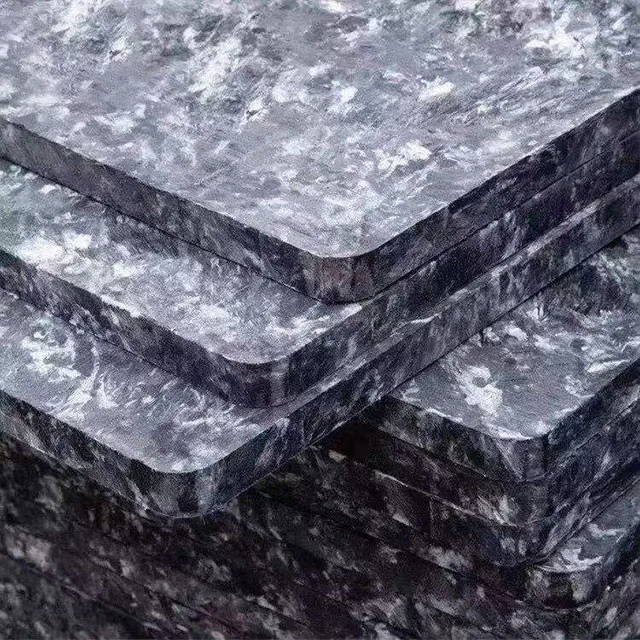
Table of Contents
- GMT Pallet Overview
- Common Logistics Challenges Addressed by GMT Pallets
- Material Structure and Manufacturing Concept
- Technical Parameters and Specifications
- Typical Application Scenarios
- Frequently Asked Questions
- Conclusion and Contact
GMT Pallet Overview
A GMT Pallet is manufactured from Glass Mat Thermoplastic material, combining reinforced glass fibers with thermoplastic resin under high pressure and temperature. This structure results in a pallet that delivers consistent mechanical strength, dimensional stability, and long service life.
Unlike traditional wooden pallets, GMT Pallets are engineered for industrial performance. They are widely used in automated warehouses, export logistics, food processing, chemical handling, and closed-loop supply chains where reliability and cleanliness are essential.
This article focuses on how GMT Pallets help businesses improve logistics efficiency while reducing long-term operational risks.
Common Logistics Challenges Addressed by GMT Pallets
Many logistics operations encounter recurring issues related to pallet performance. These challenges can disrupt workflows, increase costs, and pose safety risks.
- Inconsistent load capacity caused by natural material defects
- Frequent pallet breakage and repair requirements
- Hygiene concerns in food and pharmaceutical environments
- Incompatibility with automated handling systems
- Export compliance and fumigation limitations
GMT Pallets are designed to eliminate these pain points by offering predictable strength, smooth surfaces, and standardized dimensions suitable for modern logistics systems.
Material Structure and Manufacturing Concept
GMT material consists of randomly oriented glass fiber mats impregnated with thermoplastic resin. During compression molding, the fibers distribute evenly throughout the pallet structure, forming a dense and impact-resistant core.
This manufacturing approach provides several advantages. The pallet maintains stable performance under heavy loads, resists moisture absorption, and retains shape under repeated mechanical stress. Additionally, the closed-surface design prevents splintering and material shedding.
As a result, GMT Pallets are suitable for both indoor and outdoor logistics operations where environmental conditions vary.
Technical Parameters and Specifications
| Parameter | Description |
|---|---|
| Material Type | Glass Mat Thermoplastic (GMT) |
| Static Load Capacity | Up to 6,000 kg (depending on design) |
| Dynamic Load Capacity | Up to 2,000 kg |
| Racking Load | Up to 1,200 kg |
| Weight | Significantly lighter than steel pallets |
| Moisture Resistance | Non-absorbent and corrosion-resistant |
| Reusability | Designed for long-term circulation systems |
Typical Application Scenarios
GMT Pallets are applied across multiple industries due to their adaptability and durability. In automated warehouses, their dimensional consistency ensures reliable conveyor and robotic handling. In export logistics, they eliminate the need for fumigation and reduce customs-related delays.
Manufacturing plants benefit from their high load-bearing capacity and resistance to oil, chemicals, and temperature fluctuations. In hygiene-sensitive environments, smooth surfaces allow easy cleaning and reduce contamination risks.
Companies working with ZCJK often select GMT Pallets as part of a long-term logistics optimization strategy.
Frequently Asked Questions
What makes a GMT Pallet more durable than a wooden pallet?
GMT Pallets use reinforced thermoplastic material that does not crack, splinter, or absorb moisture. This structure ensures consistent performance over repeated handling cycles.
Are GMT Pallets suitable for automated storage systems?
Yes, their precise dimensions and structural stability make them highly compatible with automated conveyors, stackers, and robotic systems.
Can GMT Pallets be used for export shipping?
GMT Pallets meet international shipping requirements without fumigation, making them suitable for global logistics and reducing border inspection delays.
How do GMT Pallets support sustainable operations?
They are reusable over long lifecycles and can be recycled at end of use, helping reduce waste associated with single-use pallets.
Conclusion and Contact
GMT Pallets provide a reliable and efficient solution for businesses seeking improved logistics performance, reduced maintenance costs, and higher operational consistency. Their engineered structure and industrial-grade material make them suitable for demanding supply chain environments.
ZCJK continues to support clients with GMT Pallet solutions designed for real-world logistics challenges. For customized specifications, technical consultation, or bulk procurement opportunities, contact us today and discover how GMT Pallets can strengthen your logistics system.
