

How Does a Grain Sterilization Tank Ensure Safe Grain Storage?
2026-02-26
Article Summary
A grain sterilization tank is a critical system used in grain storage and processing facilities to eliminate insects, larvae, mold spores, and harmful microorganisms before long-term storage or further processing. Improper sterilization often leads to grain spoilage, economic loss, and food safety risks. This comprehensive guide explains how a grain sterilization tank works, the problems it solves, how to select the right system, and how professional solutions from Chengming help grain enterprises achieve safer, more efficient, and more compliant operations.
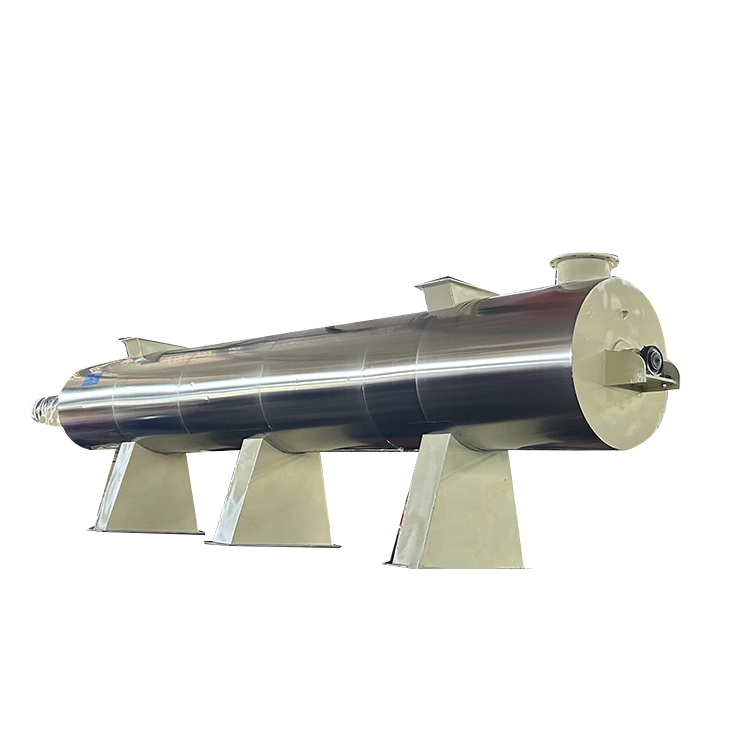
Table of Contents
- Grain Sterilization Tank Overview
- Key Challenges in Grain Sterilization
- Working Principle Explained
- System Structure and Components
- How to Choose the Right Grain Sterilization Tank
- Technical Comparison Table
- Operational and Safety Considerations
- Application Scenarios
- Frequently Asked Questions
- Conclusion and Contact Us
Grain Sterilization Tank Overview
A grain sterilization tank is a sealed processing unit designed to disinfect bulk grain using controlled sterilizing agents or physical methods. It is widely used in grain depots, flour mills, feed processing plants, and food storage centers. The primary purpose is to reduce biological contamination while preserving grain quality, nutritional value, and marketability.
Unlike traditional fumigation methods that may cause uneven treatment or safety risks, modern grain sterilization tanks provide controlled environments where dosage, exposure time, and pressure are precisely managed. Chengming develops grain sterilization tank systems that focus on efficiency, safety, and long-term operational stability.
Key Challenges in Grain Sterilization
Many grain operators face recurring problems when sterilization systems are outdated or improperly selected. These challenges often affect storage quality and regulatory compliance.
- Incomplete insect and microorganism elimination
- Uneven sterilization inside large grain volumes
- High chemical residue risks
- Manual operation safety hazards
- High energy consumption and operating costs
- Difficulty meeting food safety standards
A properly designed grain sterilization tank directly addresses these issues by creating a uniform and controlled sterilization environment.
Working Principle Explained
The working principle of a grain sterilization tank is based on sealed treatment and controlled exposure. Grain is loaded into the tank, which is then closed to form an airtight system. Sterilizing agents or controlled physical conditions are introduced to eliminate pests and pathogens.
- Uniform distribution of sterilizing medium
- Controlled pressure and temperature environment
- Precise exposure time management
- Safe exhaust and neutralization after treatment
This process ensures that all grain layers receive equal treatment, preventing survival zones that commonly occur in open or surface-level methods.
System Structure and Components
A standard grain sterilization tank consists of multiple integrated components designed for durability and process stability.
- High-strength sealed tank body
- Automated inlet and discharge system
- Sterilizing agent injection module
- Pressure and temperature control units
- Safety monitoring and alarm system
- Neutralization and exhaust treatment unit
Chengming designs each grain sterilization tank with corrosion-resistant materials and industrial-grade sealing technology to ensure long service life.
How to Choose the Right Grain Sterilization Tank
Selecting the appropriate grain sterilization tank requires evaluating both technical parameters and operational needs. A systematic approach reduces investment risk and improves performance.
- Daily grain processing capacity
- Type of grain and moisture content
- Preferred sterilization method
- Automation and control requirements
- Available installation space
- Local safety and food regulations
Chengming provides customized grain sterilization tank solutions to match different storage scales and processing workflows.
Technical Comparison Table
| Parameter | Small Capacity Tank | Medium Capacity Tank | Large Capacity Tank |
|---|---|---|---|
| Processing Volume | 5–10 tons | 10–30 tons | 30+ tons |
| Automation Level | Semi-automatic | Automatic | Fully automatic |
| Energy Consumption | Low | Moderate | Optimized for scale |
| Typical Application | Small storage facilities | Grain processing plants | Large grain depots |
Operational and Safety Considerations
Safe operation is a core requirement of any grain sterilization tank. Modern systems incorporate multiple safety mechanisms to protect operators and facilities.
- Automated pressure relief systems
- Leak detection and alarm functions
- Controlled exhaust and neutralization
- Remote monitoring and data logging
Routine maintenance and operator training further enhance safety and ensure consistent sterilization results.
Application Scenarios
Grain sterilization tanks are widely used across the agricultural and food processing industries.
- National and regional grain reserves
- Flour and rice processing plants
- Feed production facilities
- Export grain inspection and treatment
- Long-term grain storage warehouses
Frequently Asked Questions
What problems does a grain sterilization tank solve?
It eliminates insects, larvae, and microorganisms that cause grain spoilage and quality loss.
Is grain quality affected during sterilization?
When properly controlled, the process preserves grain structure and nutritional value.
How long does one sterilization cycle take?
Cycle time depends on tank size and treatment method, typically ranging from several hours to one day.
Can the system be customized?
Yes. Grain sterilization tanks can be designed according to capacity, automation level, and site conditions.
Conclusion and Contact Us
A grain sterilization tank is an essential investment for ensuring grain safety, extending storage life, and reducing economic loss caused by biological contamination. By selecting the right system and operating it correctly, grain enterprises can significantly improve storage reliability and compliance.
Chengming specializes in the design and manufacturing of high-performance grain sterilization tank systems for modern grain storage and processing needs. If you are planning to upgrade your grain sterilization solution or require professional technical support, contact us today to learn how Chengming can help you achieve safer and more efficient grain management.
