

How Does a Grain Sterilization Tank Work?
2026-02-10
Article Summary
Grain safety is a critical concern across food processing, storage, and agricultural supply chains. Contamination caused by insects, bacteria, mold, and residual pests can directly affect grain quality, storage stability, and market value. A Grain Sterilization Tank is designed to address these challenges through controlled sterilization processes that protect grain integrity while meeting strict safety and hygiene expectations.
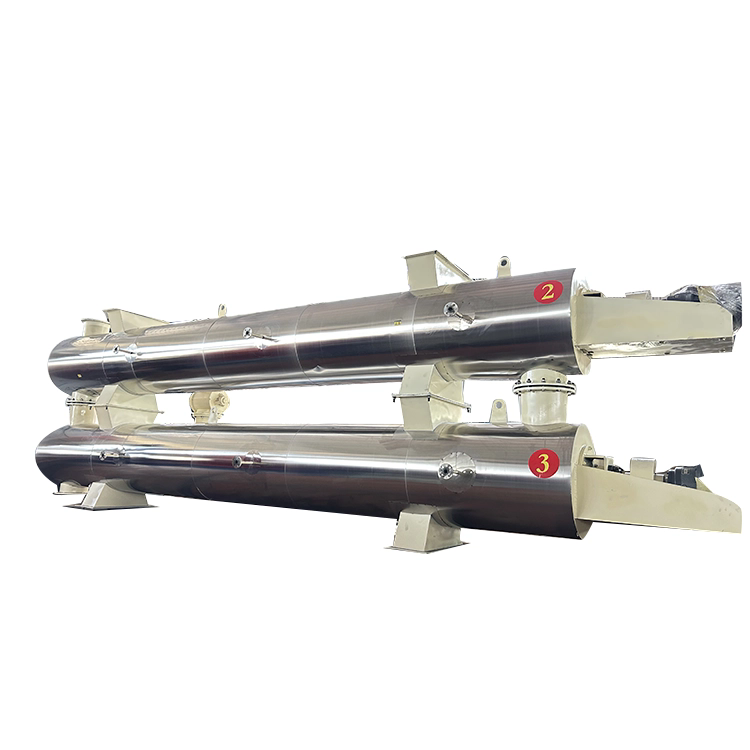
This article provides a comprehensive explanation of how a Grain Sterilization Tank works, what problems it solves, and how to select the right system for practical applications. It also explores operational principles, performance advantages, technical considerations, and real-world use cases to help decision-makers make informed choices.
Table of Contents
- Understanding the Need for Grain Sterilization
- What Is a Grain Sterilization Tank?
- How a Grain Sterilization Tank Works
- Key Problems Solved by Grain Sterilization Tanks
- Main Components and Structural Design
- Operational Process Explained Step by Step
- Performance Advantages in Modern Grain Handling
- Technical Parameters and Configuration Options
- Application Scenarios Across Industries
- How to Choose the Right Grain Sterilization Tank
- Frequently Asked Questions
- Conclusion and Next Steps
Understanding the Need for Grain Sterilization
Grain is highly vulnerable during harvesting, transportation, and storage. Insects, larvae, bacteria, and fungal spores can multiply rapidly in enclosed or humid environments, leading to spoilage, odor, and nutrient degradation. Traditional fumigation or chemical treatment methods may leave residues or create regulatory concerns.
A Grain Sterilization Tank offers a controlled and enclosed environment where sterilization can be carried out efficiently, reducing biological risks without compromising grain quality. This makes it a preferred solution for facilities aiming to improve food safety standards and reduce post-harvest losses.
What Is a Grain Sterilization Tank?
A Grain Sterilization Tank is a sealed industrial vessel engineered to eliminate harmful microorganisms and pests within stored or processed grain. It operates using physical or controlled treatment methods such as heat, gas circulation, or pressure-assisted sterilization, depending on system design.
Unlike open treatment systems, the tank structure ensures uniform exposure and consistent results. This enclosed approach improves reliability and allows precise control over sterilization parameters.
How a Grain Sterilization Tank Works
The working principle of a Grain Sterilization Tank centers on creating an environment that disrupts the survival conditions of pests and microorganisms. Once grain is loaded into the tank, the system initiates a sterilization cycle based on predefined settings.
Temperature, exposure time, and treatment medium are carefully regulated to ensure effective sterilization while maintaining grain moisture balance and physical structure. After the cycle is completed, the grain is discharged safely for storage or further processing.
Key Problems Solved by Grain Sterilization Tanks
- Elimination of insects, larvae, and eggs hidden within grain masses
- Reduction of mold growth and bacterial contamination
- Improved storage stability and extended shelf life
- Lower dependency on chemical fumigants
- Consistent treatment results across large grain volumes
Main Components and Structural Design
A typical Grain Sterilization Tank is built with industrial-grade materials and includes several essential components:
| Component | Function |
|---|---|
| Sealed Tank Body | Provides an enclosed environment for controlled sterilization |
| Loading and Discharge System | Ensures smooth grain input and output |
| Control Unit | Regulates temperature, timing, and operating parameters |
| Circulation System | Ensures uniform treatment throughout the grain mass |
Operational Process Explained Step by Step
- Grain is loaded into the sterilization tank through a controlled inlet.
- The tank is sealed to maintain internal stability.
- The sterilization cycle begins based on preset parameters.
- Internal circulation ensures even exposure.
- After completion, the system returns to safe conditions.
- Grain is discharged for storage or downstream processing.
Performance Advantages in Modern Grain Handling
Modern Grain Sterilization Tanks are designed to align with efficiency, safety, and scalability requirements. Their enclosed structure minimizes environmental impact and enhances process repeatability.
Facilities adopting this technology benefit from reduced grain loss, improved product consistency, and better compliance with food safety expectations in domestic and international markets.
Technical Parameters and Configuration Options
Grain Sterilization Tanks are available in various capacities and configurations to suit different operational scales. Common parameters include:
- Processing capacity based on volume or weight
- Material selection for corrosion resistance
- Automation level for monitoring and control
- Integration with existing grain handling systems
Application Scenarios Across Industries
Grain Sterilization Tanks are widely used in:
- Grain storage and silos
- Food processing plants
- Agricultural cooperatives
- Export-oriented grain facilities
Their adaptability makes them suitable for cereals, corn, rice, wheat, and other bulk grains.
How to Choose the Right Grain Sterilization Tank
Selecting the right system involves evaluating processing capacity, available space, operational goals, and compliance requirements. Long-term reliability and ease of maintenance should also be considered.
Working with experienced manufacturers ensures the system is tailored to specific grain characteristics and operational conditions.
Frequently Asked Questions
Is grain quality affected during sterilization?
When properly controlled, sterilization does not damage grain structure or nutritional value.
Can the system handle large-scale operations?
Yes, Grain Sterilization Tanks are available in scalable designs suitable for industrial volumes.
Is this system suitable for long-term storage preparation?
Sterilized grain is more stable and better suited for extended storage periods.
Conclusion and Next Steps
A Grain Sterilization Tank plays a vital role in protecting grain quality, improving storage outcomes, and reducing contamination risks. By understanding how the system works and what factors matter most, operators can significantly enhance operational efficiency and product reliability.
Shandong Chengming provides professionally engineered Grain Sterilization Tank solutions designed to meet diverse industrial requirements. For tailored configurations, technical guidance, and reliable support, contact us to explore how the right sterilization system can strengthen your grain handling operations.
