

How Does a Phosphate Dosing Device Optimize Industrial and Water Treatment Processes?
2026-01-07
Abstract: Phosphate dosing devices are crucial in modern industrial and water treatment applications for maintaining optimal chemical balance, preventing scaling, and enhancing system efficiency. This article provides a comprehensive overview of phosphate dosing devices, including technical parameters, applications, commonly asked questions, and practical considerations for efficient deployment.
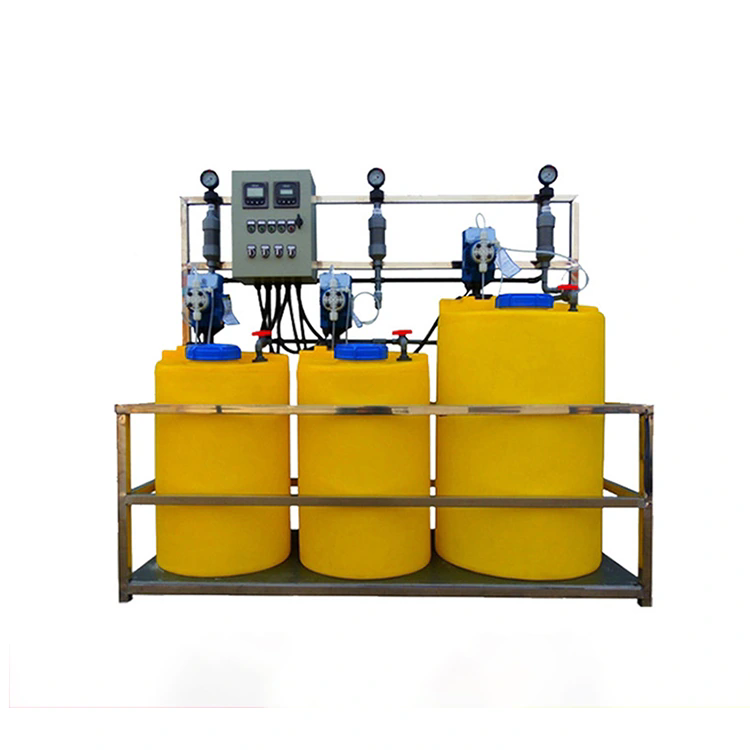
Table of Contents
1. Introduction to Phosphate Dosing Device 2. Technical Specifications and Operational Parameters 3. Frequently Asked Questions 4. Applications, Industry Insights, and Contact Information1. Introduction to Phosphate Dosing Device
Phosphate dosing devices are specialized chemical dosing systems designed to inject precise amounts of phosphate compounds into industrial processes, cooling water systems, and potable water treatment networks. They play a pivotal role in controlling corrosion, preventing scale formation, and ensuring consistent water chemistry. Phosphate dosing devices are engineered for accuracy, reliability, and ease of integration with existing monitoring systems.
The central focus of this discussion is to explore how phosphate dosing devices function, their technical capabilities, and their practical applications across various industries. This includes an in-depth review of device parameters, common operational questions, and deployment considerations.
2. Technical Specifications and Operational Parameters
Phosphate dosing devices are available in multiple models with varying capacities and control systems. Key technical parameters include dosing flow rate, pressure range, chemical compatibility, and accuracy levels. The following table summarizes typical specifications for a standard industrial-grade phosphate dosing device:
| Parameter | Description |
|---|---|
| Dosing Capacity | 0.5–50 L/h (adjustable based on system requirements) |
| Operating Pressure | 0.1–6 bar |
| Accuracy | ±1% of full scale |
| Power Supply | 220V/50Hz or 110V/60Hz options |
| Control System | Analog or digital PID controller, remote monitoring compatible |
| Material Construction | High-grade polypropylene or stainless steel (for chemical resistance) |
| Temperature Range | 0–50°C operational, 0–60°C storage |
These specifications ensure that the device is suitable for a variety of industrial processes, including water treatment plants, chemical manufacturing, and boiler feedwater systems. Modern phosphate dosing devices often include digital controls, automated feedback loops, and integration with SCADA or IoT systems for real-time monitoring and optimization.
3. Frequently Asked Questions
Q1: How does a phosphate dosing device improve water system efficiency?
A1: Phosphate dosing devices maintain precise chemical concentrations that prevent scale formation and corrosion in pipes and equipment. By stabilizing water chemistry, these devices reduce maintenance costs, improve heat transfer efficiency, and extend the operational lifespan of water treatment infrastructure.
Q2: What factors should be considered when selecting a phosphate dosing device?
A2: Selection factors include dosing capacity, pressure rating, chemical compatibility, control system type, and installation environment. Evaluating these parameters ensures that the device will function reliably under varying operational conditions, prevent chemical wastage, and meet compliance standards for water treatment.
Q3: How is the phosphate dosing device maintained to ensure long-term accuracy?
A3: Regular maintenance involves inspecting pumps, cleaning dosing lines, checking calibration, and verifying chemical supply levels. Following manufacturer-recommended schedules, combined with automated alerts from digital controllers, helps maintain accuracy, reduces downtime, and prevents system failures.
4. Applications, Industry Insights, and Contact Information
Phosphate dosing devices are extensively used across multiple sectors:
- Water Treatment Plants: Precise dosing prevents scale in boilers, heat exchangers, and distribution networks.
- Chemical Manufacturing: Maintains optimal phosphate levels in reactions and formulations.
- Cooling Systems: Controls mineral buildup in cooling towers and industrial chillers.
- Food and Beverage Industry: Ensures compliance with water quality standards.
Industry trends indicate increasing adoption of digital-controlled phosphate dosing devices integrated with smart monitoring systems. Remote access, predictive maintenance, and AI-assisted dosing adjustments are becoming standard for large-scale operations.
Siyuan offers a comprehensive range of phosphate dosing devices engineered for high accuracy, reliability, and ease of integration. For detailed inquiries, product quotes, or technical consultations, please contact us. Our team provides full support to ensure optimal device performance across all applications.
