

How Does a Self-Cleaning Pass Box Improve Cleanroom Efficiency?
2026-01-05
Abstract: The Self-Cleaning Pass Box is a critical cleanroom equipment designed to facilitate safe transfer of materials while minimizing contamination. This article explores its operational principles, detailed specifications, common user inquiries, and industry insights to optimize cleanroom workflows. The focus is to guide professionals in understanding how this equipment enhances operational safety and efficiency.
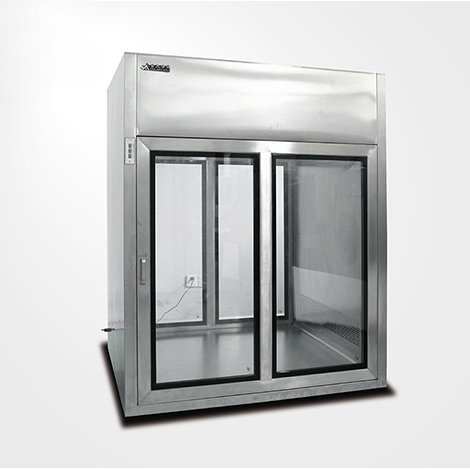
Table of Contents
Introduction to Self-Cleaning Pass Box
The Self-Cleaning Pass Box is engineered to transfer materials between cleanrooms of different contamination levels, ensuring sterile handling. Using integrated HEPA filtration and automated UV sterilization, the device minimizes cross-contamination risks and supports compliance with ISO cleanroom standards. It is widely adopted in pharmaceutical, biotechnology, electronics, and laboratory settings.
The primary objective of this article is to provide a comprehensive guide on the Self-Cleaning Pass Box, covering its technical specifications, operational benefits, common questions, and guidance for optimizing usage within controlled environments.
Specifications and Features
The Self-Cleaning Pass Box is designed for precision and efficiency. Below is a detailed specification overview for professional reference:
| Parameter | Specification |
|---|---|
| Material | 304 Stainless Steel (Electro-polished) |
| Dimensions | 600mm × 600mm × 600mm (customizable) |
| Door Type | Interlocking Swing Doors |
| Filtration | HEPA H14, ≥99.995% efficiency |
| UV Sterilization | 254 nm wavelength, automatic timing control |
| Control System | Microprocessor-based, LCD display, automated cycle |
| Power Supply | 220V/50Hz (custom options available) |
| Operation Mode | Touch panel or remote control |
| Compliance | ISO 14644, GMP |
These specifications ensure that the Self-Cleaning Pass Box consistently maintains cleanroom integrity while supporting efficient workflow management.
Frequently Asked Questions
1. How does the Self-Cleaning Pass Box maintain sterility during material transfer?
The Self-Cleaning Pass Box employs HEPA filtration and UV sterilization to eliminate airborne particles and microbial contaminants. Its interlocked doors prevent simultaneous opening, ensuring that cleanroom air pressure differences do not allow contaminants to enter.
2. How often should the UV lamps be replaced for optimal performance?
UV lamps typically require replacement every 9,000–10,000 operational hours. Regular monitoring of lamp intensity is recommended to maintain sterilization efficacy. Automated alerts from the control system can assist in scheduling timely replacements.
3. How can the Self-Cleaning Pass Box improve cleanroom workflow efficiency?
By providing a secure transfer method without requiring personnel movement between rooms, the Self-Cleaning Pass Box reduces contamination risk and saves time. Its automated cleaning cycle ensures that materials are always transferred in a sterile environment, minimizing downtime for manual cleaning procedures.
4. How customizable are the Self-Cleaning Pass Box dimensions and features?
The Self-Cleaning Pass Box can be customized to fit specific cleanroom layouts, including variable dimensions, door sizes, and filtration levels. Optional features such as touchless operation, remote monitoring, and multi-compartment configurations are also available.
Industry Insights and Contact
The Self-Cleaning Pass Box represents a critical investment for laboratories, pharmaceutical manufacturers, and high-tech industries seeking to uphold rigorous cleanliness standards. With its automated sterilization, interlocking doors, and precise control systems, it not only enhances contamination control but also streamlines operational efficiency.
Jinda offers a comprehensive range of Self-Cleaning Pass Box models tailored for diverse cleanroom requirements. Professional guidance from Jinda ensures that organizations select solutions optimized for their workflow, compliance standards, and operational scale.
For inquiries or to discuss tailored solutions, contact us today and ensure your cleanroom operations maintain the highest level of sterility and efficiency.
