

How Does a Shield Anchor Provide Reliable Fixing Solutions for Heavy-Duty Applications?
2026-07-22
Article Summary
A reliable anchoring system plays a critical role in construction, engineering, and industrial installation projects. When structures require strong load-bearing performance, corrosion resistance, and long-term stability, choosing the right fixing component becomes essential. A Shield Anchor is designed to provide secure fastening in concrete, masonry, and other solid base materials by expanding inside the drilled hole and creating a strong mechanical connection.
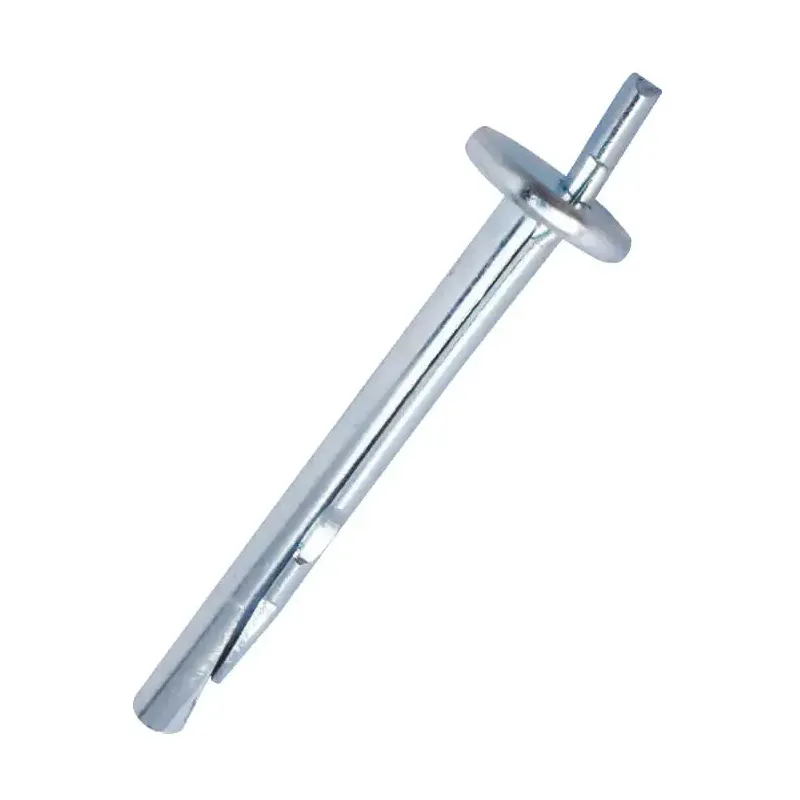
This article explains how Shield Anchors work, why they are widely used in demanding applications, how to select the correct type, and how they solve common installation challenges. With professional manufacturing experience, Ningbo Fixingmore provides high-quality anchoring solutions designed to meet different project requirements and improve installation reliability.
Table of Contents
- 1. What Is a Shield Anchor?
- 2. How Does a Shield Anchor Work?
- 3. Why Choose Shield Anchors for Construction Projects?
- 4. Where Are Shield Anchors Commonly Used?
- 5. How to Select the Right Shield Anchor?
- 6. Installation Steps for Better Performance
- 7. Shield Anchor vs Other Anchoring Methods
- 8. Frequently Asked Questions
- 9. Conclusion
1. What Is a Shield Anchor?
A Shield Anchor is a mechanical expansion anchor designed for fastening objects securely into concrete, brick, stone, and other solid construction materials. It consists of an anchor body, expansion sleeve, cone-shaped component, and threaded section. During installation, the expansion mechanism enlarges inside the base material, generating friction and mechanical locking force.
Unlike simple fastening methods, Shield Anchors are engineered to handle heavy loads while maintaining structural stability. They are commonly selected for applications where safety, durability, and resistance to movement are important.
| Component | Function |
|---|---|
| Expansion Sleeve | Expands against the hole wall to create secure holding force |
| Anchor Body | Provides structural strength and load transfer capability |
| Threaded Section | Allows connection with bolts, nuts, or other fixing parts |
| Expansion Cone | Creates outward expansion during tightening |
Ningbo Fixingmore focuses on producing dependable fastening products that support different industrial and construction requirements. Through precise manufacturing processes and strict quality control, the company delivers anchoring solutions suitable for global markets.
2. How Does a Shield Anchor Work?
The working principle of a Shield Anchor is based on controlled expansion. After drilling a suitable hole into the base material, the anchor is inserted and tightened. As the bolt or screw is tightened, the cone moves into the expansion sleeve, forcing the sleeve outward against the surrounding material.
This expansion creates a strong connection through several forces:
- Friction force: The expanded sleeve grips the internal surface of the drilled hole.
- Mechanical interlock: The anchor creates a physical connection with the surrounding material.
- Load distribution: Forces are transferred evenly to reduce stress concentration.
The combination of these effects allows Shield Anchors to support various loads, including tension forces, shear forces, and vibration conditions. Proper installation is essential because incorrect drilling depth, unsuitable anchor size, or poor tightening methods may reduce performance.
3. Why Choose Shield Anchors for Construction Projects?
Many construction professionals face challenges such as unstable fastening, difficult installation environments, and long-term durability requirements. Shield Anchors provide practical solutions to these problems.
| Common Challenge | Shield Anchor Solution |
|---|---|
| Fasteners becoming loose over time | Expansion design improves holding stability |
| Heavy equipment installation | Strong load capacity supports demanding applications |
| Outdoor exposure | Available materials provide improved corrosion resistance |
| Complex construction environments | Simple installation reduces project difficulty |
Key Benefits of Shield Anchors
- Strong and reliable fixing performance
- Suitable for concrete and masonry applications
- Easy installation with standard tools
- Excellent resistance against vibration and movement
- Long service life under proper conditions
- Flexible options for different project requirements
4. Where Are Shield Anchors Commonly Used?
Shield Anchors are widely applied in construction, mechanical installation, infrastructure projects, and industrial environments. Their versatility makes them suitable for both commercial and engineering applications.
| Application Area | Typical Uses |
|---|---|
| Building Construction | Fixing brackets, support structures, railings, and frames |
| Industrial Equipment | Installing machinery bases and heavy components |
| Electrical Engineering | Mounting cable systems and equipment supports |
| Infrastructure Projects | Securing structural components and public facilities |
| Renovation Projects | Reliable attachment in existing concrete structures |
Because different projects involve different materials and load conditions, selecting a suitable anchor design is important for achieving safe and stable results.
5. How to Select the Right Shield Anchor?
Choosing the correct Shield Anchor requires consideration of several technical factors. A suitable selection helps prevent installation failures and improves overall project efficiency.
- Base Material: Confirm whether the anchor will be installed in concrete, brick, stone, or another material.
- Load Requirement: Select an anchor size according to expected tension and shear loads.
- Environmental Conditions: Consider moisture, chemicals, outdoor exposure, and temperature changes.
- Installation Space: Evaluate hole depth, clearance, and accessibility.
- Material Selection: Choose appropriate steel grades or protective coatings based on application needs.
Professional suppliers can provide technical guidance to help customers match anchor specifications with actual project conditions.
6. Installation Steps for Better Performance
Correct installation directly affects the performance of Shield Anchors. Following standard procedures ensures maximum holding strength.
- Drill a hole according to the recommended diameter and depth.
- Clean dust and debris from the drilled hole.
- Insert the Shield Anchor into the hole.
- Tighten the bolt or screw to activate the expansion mechanism.
- Check the fixing position and confirm secure installation.
Professional installation practices help avoid problems such as insufficient expansion, loose connections, and reduced load capacity.
7. Shield Anchor vs Other Anchoring Methods
| Feature | Shield Anchor | Traditional Fixing Methods |
|---|---|---|
| Load Performance | Designed for strong mechanical holding force | May have limited capacity depending on method |
| Installation | Simple expansion-based installation | Some methods require more complicated procedures |
| Durability | Suitable for long-term fastening applications | Performance may decrease under harsh conditions |
| Application Range | Works for many construction and industrial uses | Often limited by material or environment |
8. Frequently Asked Questions
What materials can Shield Anchors be installed into?
Shield Anchors are mainly used in solid base materials such as concrete, brick, and stone. The specific suitability depends on the anchor design and project requirements.
Are Shield Anchors suitable for heavy loads?
Yes. Shield Anchors are commonly used for applications requiring reliable load support. Proper anchor selection and installation are important for achieving expected performance.
Can Shield Anchors be used outdoors?
Many Shield Anchors are available with corrosion-resistant materials or coatings, making them suitable for outdoor environments when the correct specification is selected.
How can installation problems be avoided?
Using the correct drilling size, cleaning the hole properly, selecting the right anchor model, and following installation guidelines can significantly improve reliability.
Why choose Ningbo Fixingmore for Shield Anchor products?
Ningbo Fixingmore provides professional fastening solutions with a focus on product quality, manufacturing precision, and customer requirements. The company supports different industries with reliable anchor products designed for practical applications.
9. Conclusion
A Shield Anchor is an effective fastening solution for projects requiring strength, stability, and long-lasting performance. Its expansion mechanism provides dependable fixing in concrete and masonry applications, making it an important component in construction and industrial installation.
By understanding working principles, application requirements, and proper installation methods, customers can select anchoring products that improve safety and project efficiency. Ningbo Fixingmore continues to provide high-quality fastening solutions to meet diverse customer needs worldwide.
For professional Shield Anchor solutions, customized fastening requirements, and reliable product support, please contact us today. Ningbo Fixingmore is ready to provide efficient solutions that help your projects achieve stronger and safer connections.
