

How Does a Sodium Hypochlorite Generator Improve Water Treatment Efficiency?
2026-01-26
Article Abstract
Sodium Hypochlorite Generators are critical in modern water treatment operations, offering on-site chemical production and reducing reliance on external suppliers. This article explores the operational principles, technical specifications, application scenarios, and practical considerations of Sodium Hypochlorite Generators. By providing detailed information and addressing common challenges, it aims to support businesses in optimizing water disinfection efficiency while ensuring safety and environmental compliance.
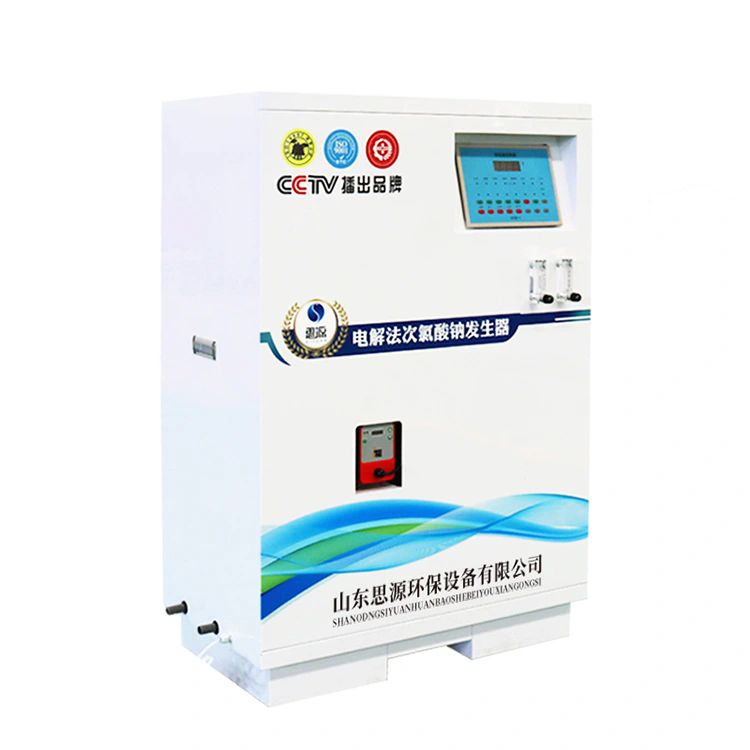
Table of Contents
- Article Outline
- Overview of Sodium Hypochlorite Generators
- Working Principle and System Design
- Technical Specifications and Parameters
- Applications and Operational Benefits
- Frequently Asked Questions
- Conclusion and Contact Information
Article Outline
- Introduction to Sodium Hypochlorite Generator technology
- System design and operational principle
- Key technical parameters and specifications
- Application areas and operational advantages
- Frequently asked questions
- Brand reference and contact information
Overview of Sodium Hypochlorite Generators
A Sodium Hypochlorite Generator (SHG) is an on-site system designed to produce sodium hypochlorite solution, commonly used for water disinfection and sanitation. By generating hypochlorite in real-time, these systems provide a safe, reliable, and cost-effective alternative to transporting concentrated chlorine chemicals.
Modern SHGs are engineered for continuous operation, optimized for energy efficiency, and adaptable to various water treatment scales, including municipal waterworks, industrial facilities, and wastewater plants. Their modular design enables flexible installation and straightforward maintenance.
Working Principle and System Design
Sodium Hypochlorite Generators operate based on the electrolysis of brine (saltwater), converting sodium chloride into sodium hypochlorite through an electrochemical reaction. The main components include:
- Brine tank and dosing pump
- Electrolytic cell for chemical conversion
- Control system for monitoring and automation
- Product storage tank
- Safety and flow monitoring devices
The electrolysis process ensures precise control over concentration levels, producing consistent hypochlorite solution suitable for immediate water treatment applications. Advanced units include automated cleaning cycles to minimize downtime and extend equipment life.
Technical Specifications and Parameters
The following table summarizes the key technical parameters for a typical Sodium Hypochlorite Generator:
| Parameter | Specification Range |
|---|---|
| Production Capacity | 1–50 kg/h |
| Available Chlorine Concentration | 0.8–1.2% |
| Operating Voltage | 220–380 V |
| Brine Consumption | Approx. 0.6–0.7 kg NaCl per kg of NaClO |
| Electrolytic Cell Life | 5–7 Years (with regular maintenance) |
| Automation Level | PLC-based control with remote monitoring options |
| Design Lifetime | 15–20 Years |
Applications and Operational Benefits
Sodium Hypochlorite Generators are widely adopted in multiple water treatment contexts, offering safety, cost, and operational advantages.
- Municipal water treatment for safe drinking water supply
- Wastewater treatment for disinfection before discharge
- Industrial process water treatment, including cooling towers and food processing plants
- Swimming pool water sanitation in commercial and recreational facilities
- On-site chemical generation reduces transportation risk and storage requirements
Operational benefits include real-time production, reduced chemical handling, consistent disinfection performance, and minimal environmental footprint.
Frequently Asked Questions
Q: How does the Sodium Hypochlorite Generator maintain consistent chlorine concentration?
A: The system uses automated dosing and electrolysis control, adjusting brine feed and current density to produce a uniform concentration suitable for immediate water treatment.
Q: What maintenance is required for long-term operation?
A: Regular cleaning of the electrolytic cell, inspection of pumps and sensors, and brine quality checks ensure optimal performance and longevity of the system.
Q: Can the generator be integrated with existing water treatment systems?
A: Yes. Modern SHGs support flexible integration through PLC interfaces, flow monitoring, and customizable automation to work alongside existing disinfection processes.
Conclusion and Contact Information
Sodium Hypochlorite Generators provide a reliable, safe, and efficient method for on-site chemical production in water treatment. By offering automated control, scalable production, and reduced handling risks, these systems are increasingly critical for municipal, industrial, and commercial water treatment applications.
Siyuan continues to deliver high-performance Sodium Hypochlorite Generators designed for modern water treatment challenges. For further details, technical consultation, or to request a customized solution, contact us today to discuss your project requirements and implementation support.
